



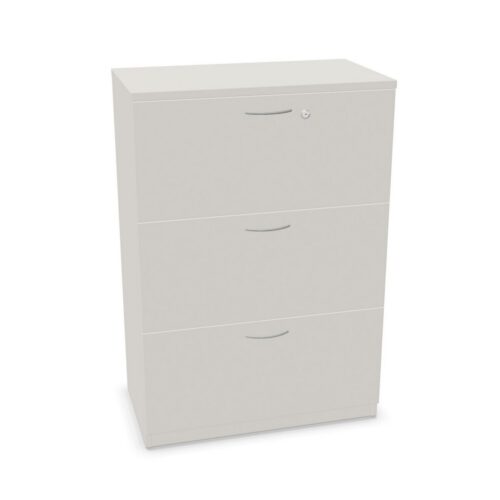


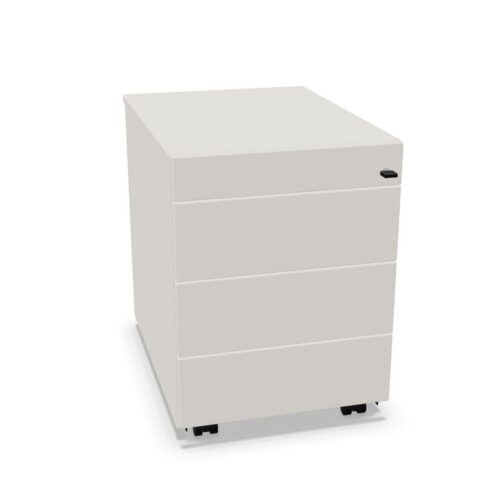
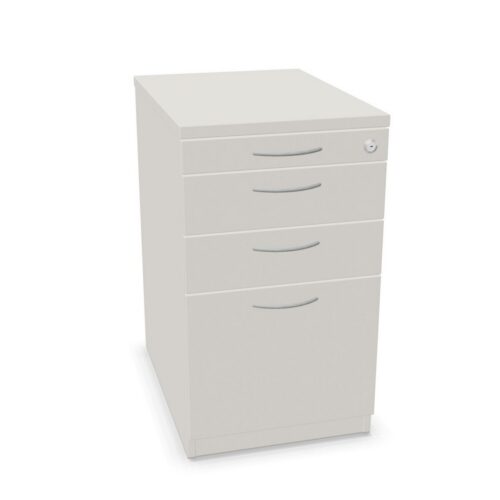


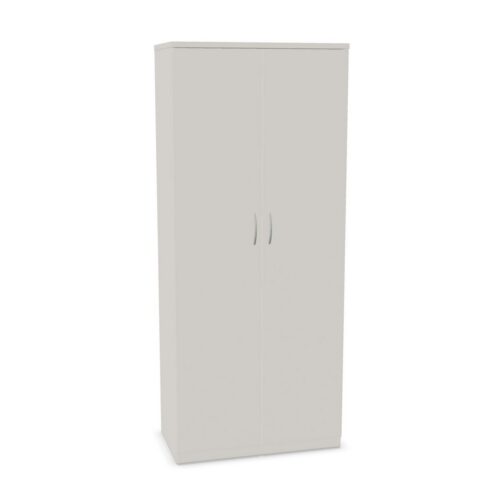

Assess grey cabinets in the office scheme
Grey may act as a quiet background or a more noticeable tone depending on its shade and surroundings. Review product imagery with actual furniture and consider the room’s lighting. If multiple cabinets are planned, compare them as a group and decide whether close coordination matters.
Think about the cabinet’s position and who will see it during the day. A shared filing point may be more visible than storage beside a single team. Use the planned location to guide the finish comparison and make the visual intention clear to colleagues.
Plan the frame’s document role
Choose the documents that belong in the hanging frame and decide how users will group them. A consistent filing method can help colleagues locate and return files. Consider who needs access and whether the frame serves one team or a wider office process.
Review the rest of the cabinet’s interior to understand what else it can store. The frame is one component, not a description of the full layout. Check product details and decide how other materials should be kept separate. If the cabinet is shared, agree who will maintain the filing arrangement.
Review access and position
Consider how often the files are used and where their users work. Check the opening style and space around the cabinet, then follow product-specific placement guidance. A convenient location can support consistent filing and reduce interruptions.
Compare grey cabinets with one hanging file frame using the same criteria: finish, frame purpose, interior, access and location. Confirm product-specific information and keep any questions visible. This helps the cabinet fit both the room and the filing routine.
