



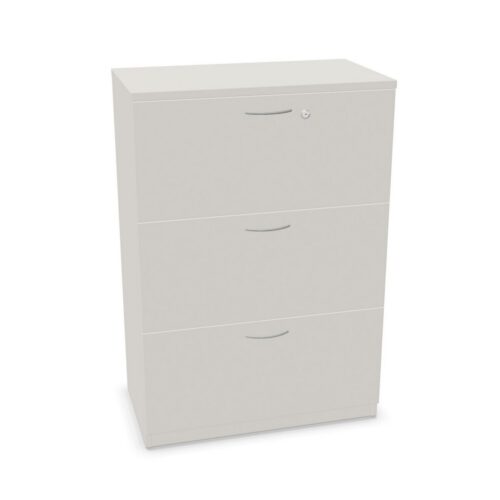


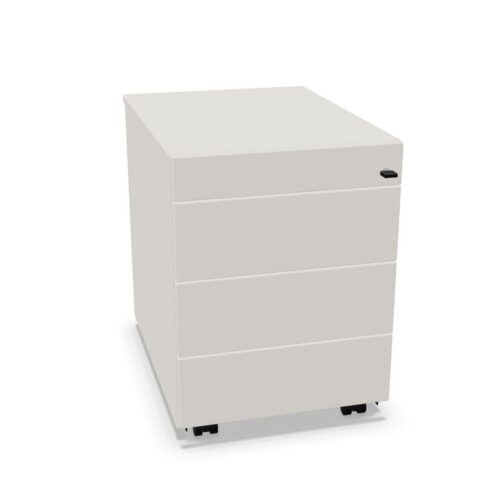
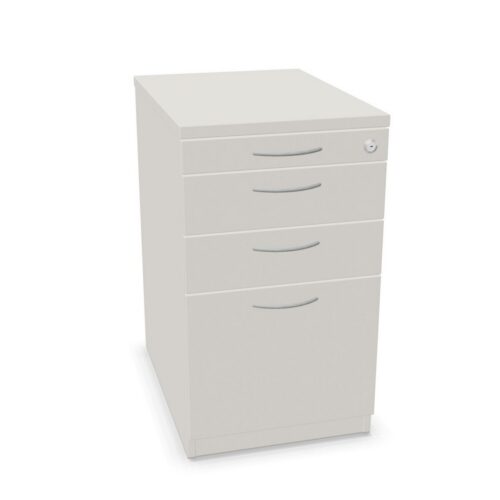


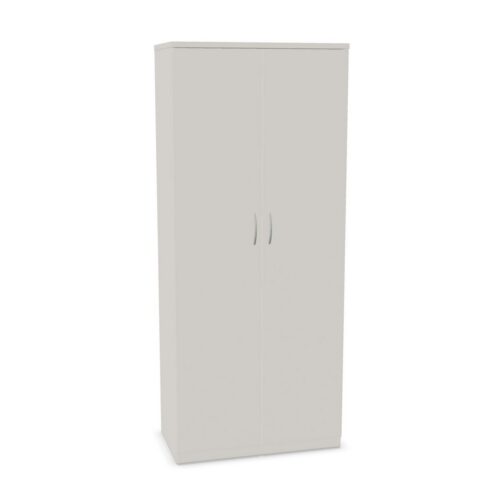

Give blue cabinets a visual purpose
Blue can repeat an existing element or create contrast within a neutral scheme. Decide which role suits the office and compare the actual product imagery with the room’s surfaces and lighting. If storage is spread across several areas, consider whether the colour should connect those locations or identify only one.
Think about how the cabinet appears from desks and shared routes. The planned position can influence whether blue feels like a subtle feature or a visible marker. Keep the design choice consistent with the rest of the furniture plan.
Organise the frame for a defined set of files
Identify which documents should use the hanging frame and how users will arrange them. A clear method can help people retrieve and return files. Consider whether the files are used by one group or shared more broadly, and agree on a filing convention.
Review the cabinet’s remaining interior and decide how other materials will be stored. Confirm the actual product configuration rather than assuming that the frame describes the whole cabinet. If documents are shared, agree who will maintain the arrangement and how new files should be added.
Plan access in the workplace
Check how often users need the files and where they work. Consider the opening method, available space and nearby circulation. Follow the product’s placement guidance and choose a location that suits the filing routine.
Compare blue cabinets with one hanging file frame by finish, document purpose, full interior and access. Confirm the product details and note any remaining questions. This helps the cabinet support the office’s visual plan and filing needs.
