



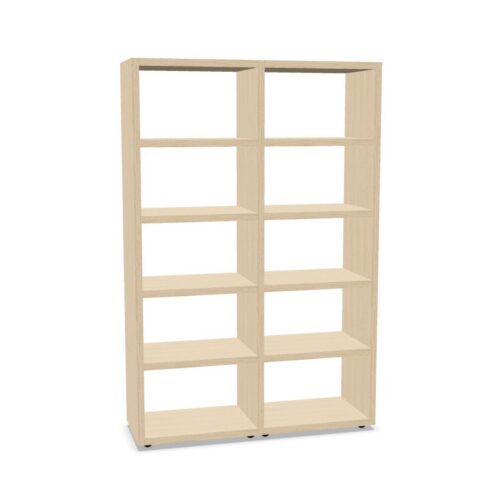


Review brown tones and finishes
Compare product images and written finish descriptions to see how each cabinet is presented. Consider nearby furniture and surfaces, and whether the brown tone should blend with the room or create a separate storage point.
The colour value does not specify material, sheen or surface texture. Confirm product-specific finish information if it matters to the project. For multiple units, compare candidate details together and verify each product separately.
Organise eight shelf levels
The eight-shelf value does not provide dimensions, spacing or supported load. Review the actual interior configuration and compare it with planned contents. Consider how users will reach the different levels and whether the layout supports intended categories.
A clear shelf plan can assign sections by task, owner or frequency. Use labels where useful and tell colleagues how items should be returned. Check measurements and any capacity information on the chosen model before assigning size-sensitive contents.
Plan room position and routine
Check overall dimensions and opening access against the intended location. Consider how the cabinet relates to nearby work areas and whether users can approach it comfortably. Practical access depends on the exact product and the room layout.
If the cabinet is shared, assign responsibility for the contents and schedule periodic reviews. Removing unused materials can keep multiple levels manageable. Give the unit a clear workplace role and communicate that purpose to users.
Compare complete specifications
Cabinets matching brown and eight shelves may still differ in construction, doors and interior features. Read each product listing for verified information and care guidance. Do not infer dimensions or materials from another result.
Compare the specific configuration with the intended storage task and available space. Confirm important requirements before choosing, then consider the finish as part of the broader room scheme.
