



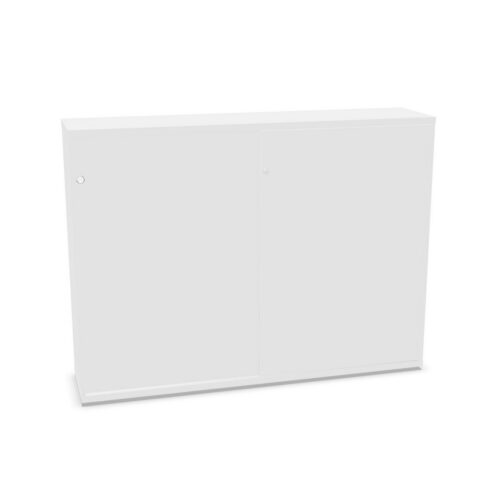




Coordinate brown office cabinets with the room
Brown can sit alongside warm surfaces and wood tones, though a close match should never be assumed from the colour name. Compare the actual product imagery and finish description with desks, flooring and other furniture. Consider the room’s lighting and whether the cabinet will be viewed near a strong visual feature. This helps determine whether the finish will create continuity, gentle contrast or a more defined accent.
If the project includes multiple storage units, decide how consistent the finishes should be. A group of similar tones may give the office a connected appearance, while carefully chosen variation can help separate work zones. Use the same references for each option and record which products need closer comparison. This keeps the selection process clear and prevents a broad colour category from standing in for product-level review.
Choose a cabinet for its contents
Start with a practical inventory of what needs to be stored. Consider who will use the cabinet, how often the contents are accessed and whether the items belong to one person or a shared team. Then compare the documented internal arrangement of each product with those requirements. Review the opening style and any details that affect daily access, checking each listing individually.
For shared office storage, a simple organisation system can help colleagues find materials and return them to the right place. Decide how contents will be grouped and who will maintain that arrangement. If the cabinet serves a specific team, its location should reflect where those people work. These steps help ensure that brown office cabinets are assessed as functional furniture as well as part of the interior.
