










Reviewing the chair specification
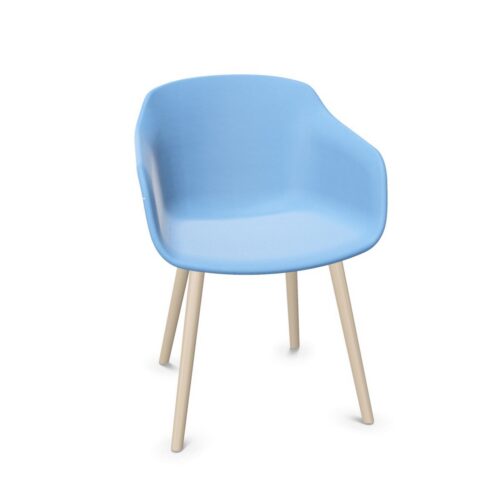
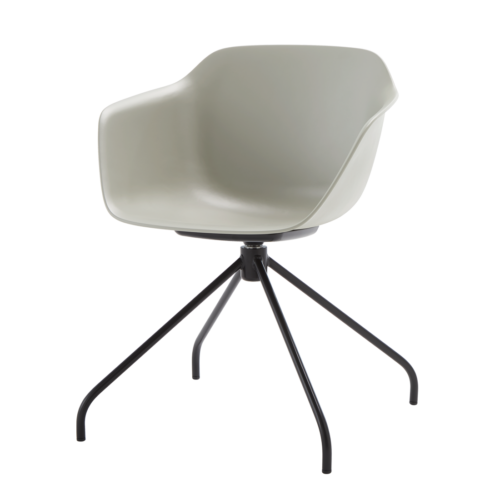
When short check-ins takes place, the balance between density and access can show whether the pink base colour and the plastic chair base material fit the intended seating plan. The seating brief for a collaborative workspace should explain how the plastic chair base material and the pink base colour relate to aisle clearance.
Questions to settle before selection
When rotating users takes place, the ease of rearranging the room can show whether the pink base colour and the plastic chair base material fit the intended seating plan. A chair shortlist for a conference suite should explain why the plastic chair base material matters, how the pink base colour changes the choice, and what needs checking around how people enter and leave.
How this chair choice fits the room
For a shared meeting room project, keep the plastic chair base material visible in the brief and check whether the pink base colour works with aisle clearance. A useful note for people responsible for shared seating links the plastic chair base material to the pink base colour and records how the cleaning routine affects a client-facing space.
How the seating will be used
In a project note, explain how the plastic chair base material affects the chair choice and how the pink base colour relates to the furniture already in place. With informal conversations in mind, ask whether the plastic chair base material and the pink base colour suit the users, then check that the planned chairs leave a workable route through a staff dining area.
What to review before choosing
Compare the chair details with the room before confirming a layout: the pink base colour, the plastic chair base material, and the level of support expected during a session all merit review. For meeting-room coordinators, the connection between the plastic chair base material and the pink base colour matters most when the room is set up for formal presentations.
