

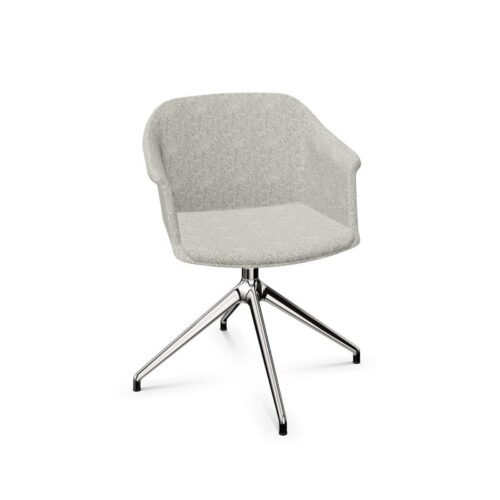
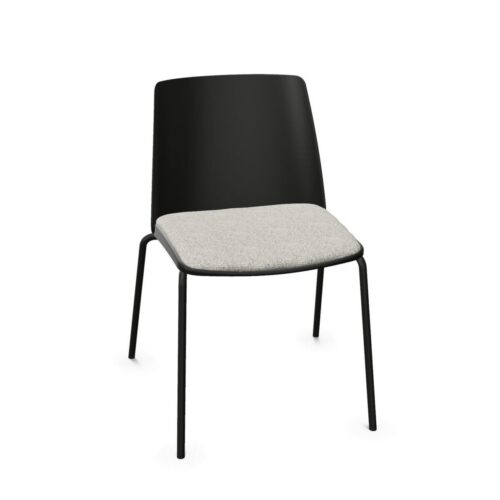
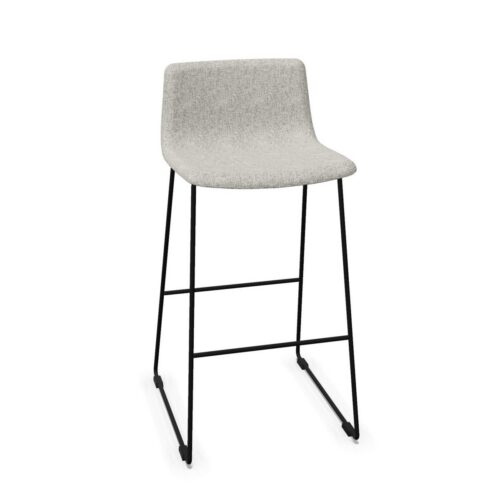
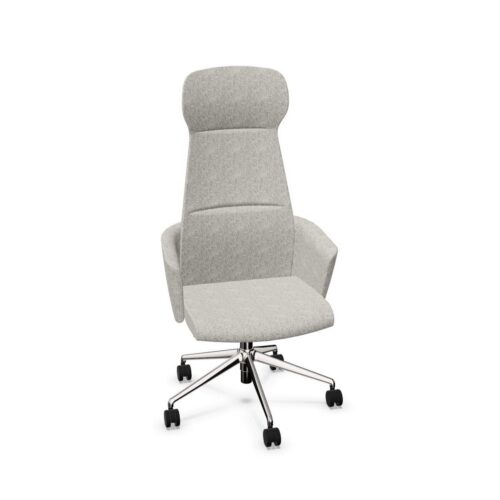
Chairs: Without Headrest / Pink-Tone Base

Set the chair requirements before arranging an interview room. Chairs: without headrest / pink-tone base help focus the comparison, while the design without a headrest and the pink base finish need to work in context. If a project room serves several purposes, assess the backrest without a head support alongside the pink base finish and consider how quiet individual tasks affects circulation.

Mark occupied positions on the plan and assess the base in its pink finish and the lack of a separate headrest; that gives operations managers a practical basis for discussing how people enter and leave. For busy group sessions, map the chair position first and assess the base’s pink appearance alongside the lack of a separate headrest; this relates the specification to the route users follow. A clear decision records what the base’s pink appearance means for users and how the design without a headrest fits the furniture arrangement.

2 models
From €16.93 p/m
5 models
From €13.67 p/m
3 models
From €15.62 p/m
2 models
From €16.60 p/m
€24.07 p/m
2 models
From €17.75 p/m
€4.14 p/m
2 models
From €6.29 p/m
4 models
From €23.53 p/m
10 models
From €25.85 p/m
3 models
From €8.65 p/m
2 models
From €25.01 p/m
2 models
From €42.53 p/m

What to review before choosing

With formal presentations in mind, ask whether the lack of a separate headrest and the pink base finish suit the users, then check that the planned chairs leave a workable route through a quiet planning room. The planned activity may change during the week. Check the base in its pink finish and the backrest without a head support against both longer discussions and formal presentations.

Reviewing the chair specification

Before approving chairs for a reception setting, compare the chair’s headrest-free configuration and the base’s pink appearance with the furniture plan, the user group, and the expected pattern of formal presentations. When team coordinators review chairs: without headrest / pink-tone base, they can start from the base in its pink finish, consider the backrest without a head support, and test both against space available behind an occupied chair before settling a room arrangement.

Match the seating arrangement to the intended activities

Before planning interviews in a central gathering space, weigh the lack of a separate headrest against the base in its pink finish; the level of support expected during a session provides a practical test. For workshop seating, begin with circulation and table placement; then confirm how the backrest without a head support and the base’s pink appearance affect the plan.

Assessing the selected chair features

When workshops takes place, the balance between density and access can show whether the pink base finish and the backrest without a head support fit the intended seating plan. If a busy shared workspace serves several purposes, assess the pink base finish alongside the design without a headrest and consider how short check-ins affects circulation.

Relate the chair selection to what happens in the room

If a visitor room serves several purposes, assess the lack of a separate headrest alongside the pink base finish and consider how team briefings affects circulation. The planned activity may change during the week. Check the chair’s headrest-free configuration and the pink base finish against both interviews and workshops.

Questions about chairs: without headrest / pink-tone base

How do I plan circulation around the chairs?

For operations managers planning a busy shared workspace, relate the base’s pink appearance to the lack of a separate headrest and then check storage between sessions against short check-ins. For rotating users seating, begin with circulation and table placement; then confirm how the chair’s headrest-free configuration and the base in its pink finish affect the plan.

What should I review beside the selected chair features?

The seating brief for a client-facing space should explain how the pink finish on the base and the chair’s headrest-free configuration relate to the room’s existing palette. Because a staff dining area may support team briefings as well as quiet individual tasks, assess the backrest without a head support beside the pink finish on the base while keeping the way the seating sits within the furniture arrangement in view.

Which details should a facilities team confirm?

For workplace planners planning a multi-purpose room, relate the design without a headrest to the base’s pink appearance and then check the position of the chair relative to adjacent pieces against shared meals. People entering a team hub notice more than the chair itself; relate the lack of a separate headrest and the pink finish on the base to the access needed beside occupied chairs and the surrounding furniture before finalising the plan.

The Features Behind the Seating Decision

Evaluate the proposed seating arrangement by checking the lack of a separate headrest and the pink base finish; that gives interior project teams a practical basis for discussing storage between sessions. In an interview room, the backrest without a head support may answer one brief requirement while the pink finish on the base addresses another; compare both with clearance for people to leave their seats.

Explore related selections