



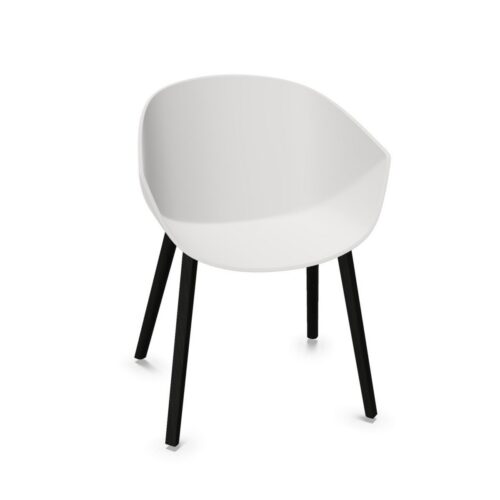


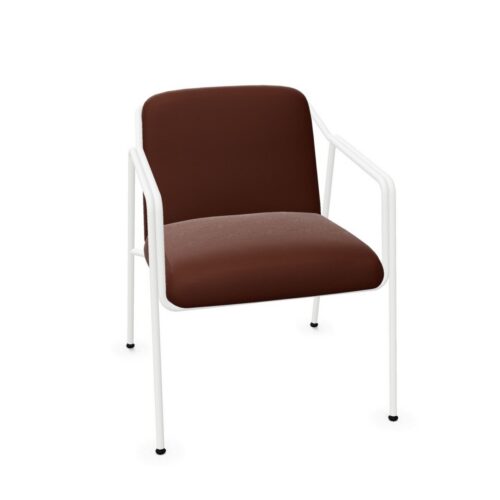


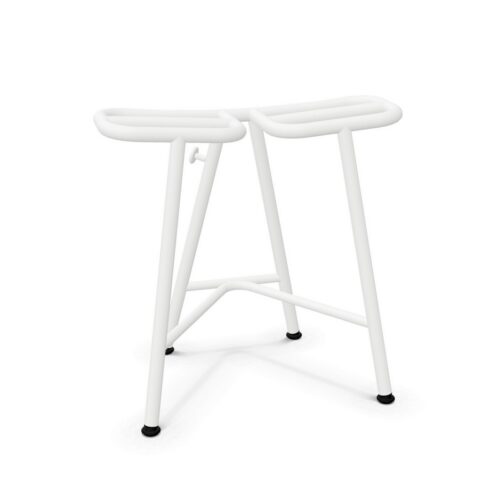


Fit the chairs to the room’s purpose
Set out the purpose of a design studio, then assess the red base colour and the absence of a headrest against the day-to-day demands of collaborative work. To make chairs: without headrest / red-tone base useful in a project brief, describe who will use the chair, how the absence of a headrest answers a need, and how the red base colour affects the space.
Questions to settle before selection
A workplace brief becomes clearer when meeting-room coordinators document the room’s existing palette, choose a relevant chair detail such as the red base colour, and connect it with the absence of a headrest. A room review can pair the absence of a headrest with the red base colour, then test both against storage between sessions before the chairs are specified.
Planning a useful workplace layout
For the planned longer discussions, check the chair’s relationship with the balance between density and access; include the red base colour and the absence of a headrest in the same review. For teams planning quiet individual tasks, the absence of a headrest may answer one requirement while the red base colour addresses another; the room layout shows whether both are relevant.
Planning around daily seating needs
People arranging a training area should map the activity first, then decide how the absence of a headrest and the red base colour contribute to the brief. Compare the chair details with the room before confirming a layout: the absence of a headrest, the red base colour, and the layout when every seat is occupied all merit review.
