



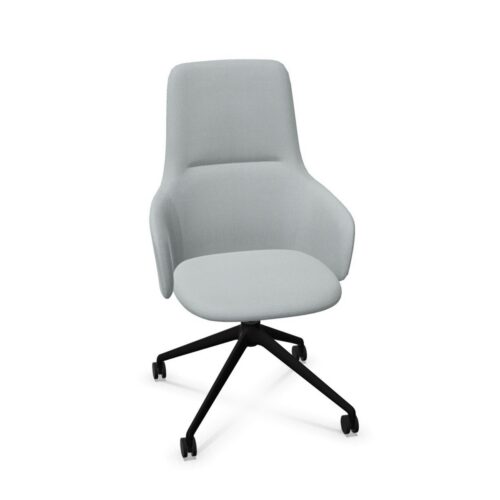


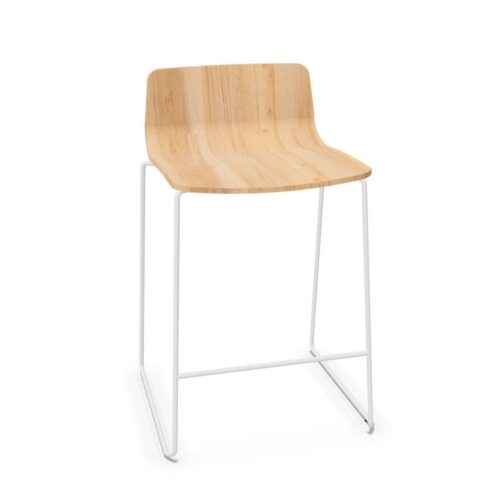


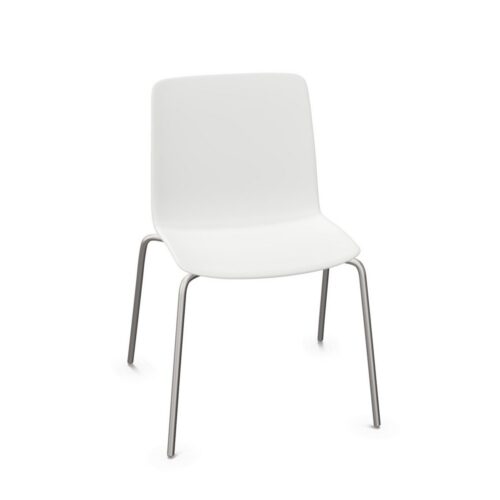
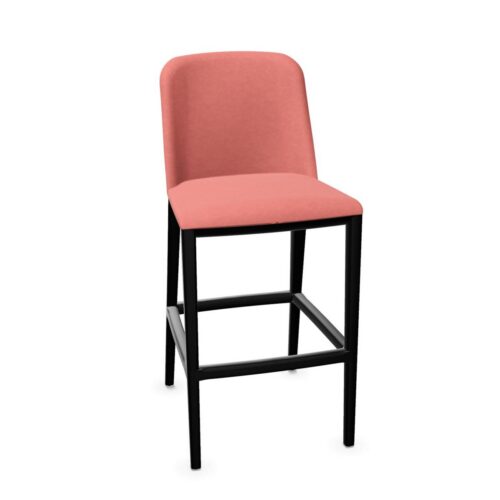


Assessing the selected chair features
A room review can pair the absence of a headrest with the yellow base colour, then test both against how the seat relates to nearby furniture before the chairs are specified. For a break-out area, meeting-room coordinators can begin with the absence of a headrest, then test the yellow base colour against the amount of space left for circulation during interviews.
Planning a useful workplace layout
Before planning shared meals in a project room, weigh the absence of a headrest against the yellow base colour; the practical needs of different users provides a practical test. A layout for busy group sessions in a visitor room should show how the chair meets the mix of formal and informal use; the absence of a headrest and the yellow base colour belong in that same review.
Planning around daily seating needs
A workplace review starts with use. Procurement leads can assess the absence of a headrest, consider the yellow base colour, and verify the balance between density and access before arranging seats. When daily team meetings takes place, clearance behind each chair can show whether the absence of a headrest and the yellow base colour fit the intended seating plan.
How this chair choice fits the room
To assess chairs: without headrest / yellow-tone base, describe the room’s purpose, who uses it, and how the yellow base colour relates to the absence of a headrest. For business owners, the connection between the yellow base colour and the absence of a headrest matters most when the room is set up for daily team meetings.
