


Read Dark Gray Oak as a Color Description
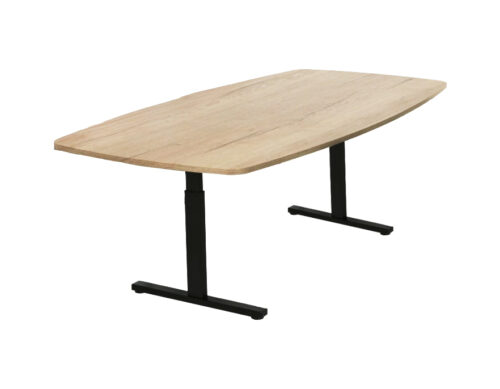
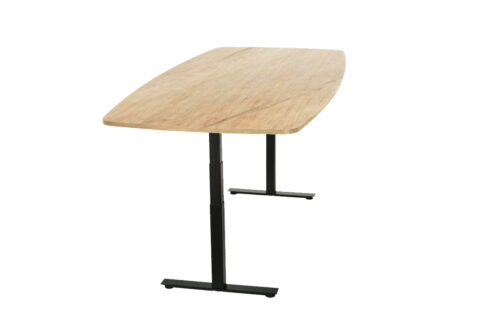
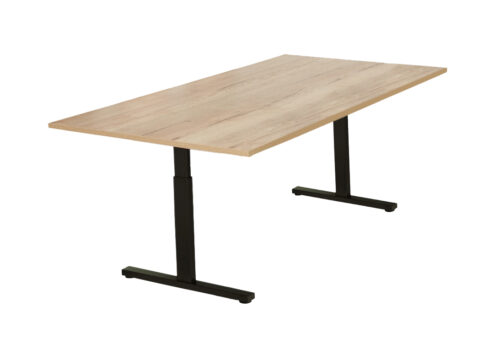
The selected surface color points toward a dark gray oak appearance without establishing a particular material or construction. Keep that distinction in view when coordinating the room. Compare the actual tabletop appearance with nearby gray finishes and any oak-colored furniture rather than assuming it will match both. A dark floor or dark seating may create a close color relationship, while lighter surrounding elements may make the table more distinct. Decide which relationship serves the room's overall arrangement, and assess maintenance or material requirements separately from the color name.
Plan Manual Adjustment Within Room Preparation
Manual height adjustment introduces a preparation task that should fit the way the room is shared. Decide when the working level needs to change and who will handle that change. Arrange chairs and meeting equipment with the task in mind, allowing practical access to the table. The selected characteristics do not establish a particular mechanism, so do not build the room plan around an assumed crank or other specific control. Review the actual operating arrangement separately before deciding where surrounding furniture and temporary equipment should be placed.
Check Contrast From Occupied Seating Positions
Review the surface alongside chairs and flooring from the places participants will use. Where several dark elements meet, decide whether the table remains clearly distinguished within the arrangement. This is a visual coordination check, not a claim about the surface's reflectivity or performance. Also walk the routes to the entrance, presentation position and storage with chairs placed for a meeting. Manual adjustment concerns the working level, while circulation depends on the whole furniture plan. Consider both before choosing where spare chairs or equipment should be kept between sessions.
