





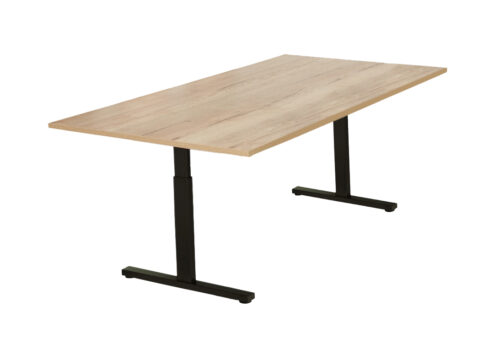
Planning manually adjustable conference tables
Begin by deciding whether the meeting routine calls for a changing surface height. The reason might be a different working posture for a particular activity or a preferred setting for successive sessions. Define that need clearly before assessing how manual adjustment would fit into the use of the room.
The important distinction is the preparation involved. A manually adjustable table requires someone to carry out the height change. The selected feature does not establish how that is done, so assess the actual operating method before assuming that adjustment can happen conveniently within an ongoing discussion or between closely scheduled meetings.
Assign a Clear Room-Preparation Routine
Decide who is responsible for setting the table before participants arrive. In a shared room, leaving that responsibility unclear can result in meetings beginning with an unsuitable arrangement or an unexpected setup task. An agreed starting position and a simple handover routine help make the intended use understandable.
Include the handling of documents, devices and other items during adjustment, following the table's confirmed operating guidance. Manual height adjustment does not establish that the surface can be changed while occupied by equipment. Check those details directly rather than inferring an operating procedure from the feature name alone.
