

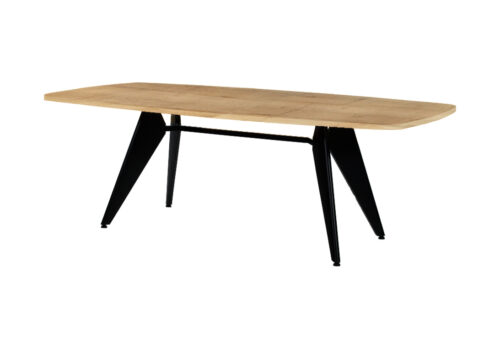
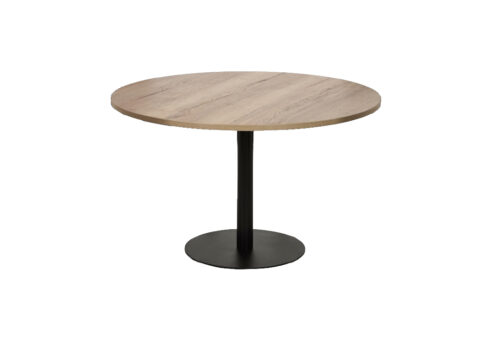
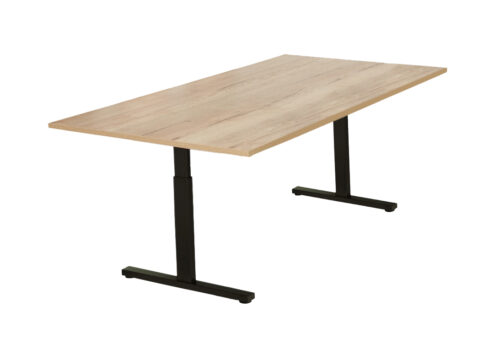
White Surfaces for Stationary Conference Settings

Stationary conference tables with white surfaces bring a white tabletop color to meeting spaces where the table is not intended for routine movement. The combination deserves attention both as a visual element and as the center of a settled room arrangement. Consider how the surface relates to the walls and floor, then check whether the intended position supports discussion, shared screens and straightforward access to seats.

A white surface can stand apart from darker surroundings or sit within a room that already uses pale colors. Neither approach determines how the table will perform, and white alone says nothing about material or surface treatment. Review the actual appearance under the room’s normal lighting. At the same time, plan around occupied chairs and the entrance route, since a stationary arrangement should work during meetings as well as when the room is empty.

€14.33 p/m
€16.17 p/m
€26.01 p/m
€11.05 p/m
€10.84 p/m
€7.97 p/m
€6.13 p/m

Reviewing Stationary Conference Tables With White Surfaces

Start by observing the room under the lighting conditions used for meetings. Consider daylight from windows, overhead lighting and any lighting used during presentations. The surface color is white, but that does not establish how reflective the surface will be. Assess the actual appearance instead of assigning a visual effect to the color alone.

Look from the doorway and from likely seating positions. If the table sits beside pale walls and light flooring, decide whether its outline remains sufficiently distinct. Darker chairs or other surrounding elements may provide contrast without requiring the entire room palette to change.

Building a Clear Route From Entrance to Seat

A table without mobility should have an everyday position that people can navigate easily. Follow the route from the entrance to the seats farther into the room. Check whether someone arriving after the meeting begins can reach a place without asking several colleagues to move their chairs.

Repeat the exercise with chairs pulled back and belongings placed where people would normally leave them. The table's white color does not resolve circulation problems, so assess appearance and access separately. Keep the entrance area readable and avoid arrangements that depend on everyone keeping chairs tightly tucked away throughout the meeting.

Connecting the Table With Presentation Areas

Stationary conference tables with white surfaces need a considered relationship with screens and writing areas when those are part of the room. Work out where participants will look during a presentation and how they will return to face-to-face discussion. Avoid placing a regular seat where the main view is unnecessarily awkward.

Also consider the person presenting. They may need to move between the table and a wall display or whiteboard. Keep that route usable with colleagues seated. If the room's usual activities require repeated table movement to create access, reconsider the proposed position before committing to the arrangement.

Separating Color Preferences From Functional Questions

White may be the right visual choice for the room, but it does not answer questions about the base, seating compatibility or equipment use. Review those matters on their own terms. Begin with the selected combination, then identify what else the workplace requires from a meeting setting.

For example, a room used mainly for paper discussions has different equipment arrangements from one where everyone brings a laptop. Neither use follows automatically from a white surface or stationary design. Plan how materials and devices will sit in the room without assuming built-in organization or connections.

Frequently Asked Questions

Will a white surface create glare?

Color alone does not establish reflectivity. Review the actual surface under the room's usual daylight and artificial lighting, including presentation conditions. Stationary conference tables with white surfaces should be positioned using that assessment rather than an assumed glare characteristic.

Can white work in a room with pale walls?

Yes, provided the overall arrangement remains visually clear. Compare the table with the floor, chairs and nearby furniture. Decide whether a close color relationship suits the room or whether surrounding elements should provide stronger contrast.

What does the absence of mobility change?

It makes a workable everyday table position especially relevant. Plan entrances, chair movement and presentation routes around that position. The absence of mobility does not establish permanent attachment, a fixed working height or any particular installation requirement.

Explore related selections