

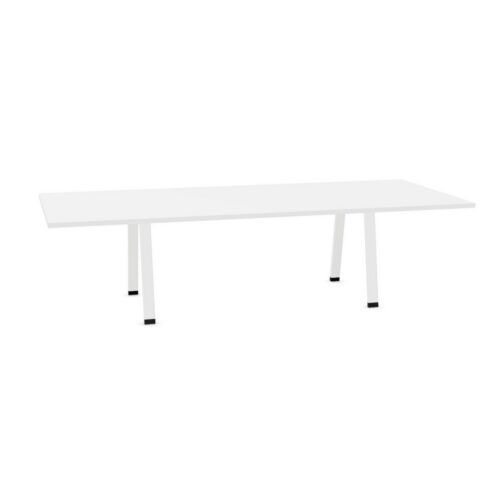
White Surfaces for Shared Meeting Spaces

Conference tables with white surfaces place a white color at the center of the meeting room. This creates a useful starting point for coordinating chairs, walls and shared equipment, especially when the room already contains several light finishes. Compare those finishes together: colors described as white may not appear identical in the same setting. The selected color does not establish the surface material, texture or sheen.

Practical planning should connect the white surface with the way the room is used. Review the view toward presentation areas, the relationship between the table and seating, and the appearance of meeting materials under normal lighting. If walls and storage are also white, decide where visual separation is helpful. A considered combination of related and contrasting colors can give the room a clear arrangement while leaving access, chair movement and everyday meeting activities to guide the physical layout.

11 models
From €21.26 p/m
9 models
From €22.04 p/m
3 models
From €20.05 p/m
2 models
From €28.04 p/m
€9.29 p/m
€9.94 p/m
2 models
From €9.51 p/m
€31.41 p/m
€11.34 p/m
2 models
From €19.95 p/m
2 models
From €10.48 p/m
4 models
From €7.81 p/m
2 models
From €8.94 p/m
4 models
From €9.16 p/m
8 models
From €54.73 p/m

Comparing Conference Tables With White Surfaces

Start by gathering the white finishes already visible in the room. Walls, storage and doors may each have a different undertone, even when they share the same general color description. Review the proposed table surface beside these elements under the room's usual lighting. Decide if you want a close relationship or an intentional difference. Conference tables with white surfaces do not require an entirely white interior; they can also sit within a palette that uses contrasting seating or surrounding finishes. Make the relationship deliberate so that a slightly different white does not become an unintended focal point in the room.

Make Seating Positions Visually Understandable

Consider how chairs appear against the white surface from the doorway and from neighboring seats. A contrast in color can help distinguish the separate elements, while related pale tones may create a more continuous appearance. Neither approach establishes practical suitability on its own. Review the intended chair positions, routes into the room and movements toward shared presentation areas. For conference tables with white surfaces, the color decision should support an arrangement that people can understand at a glance. Keep frequently used room features visible and avoid letting visual coordination distract from the way participants actually approach and leave the meeting table.

Review Lighting Without Assuming a Finish

White describes color, not how the surface reflects light. Do not assume a matte or glossy appearance from the color alone. If reflections matter for the meeting activities, assess the actual finish under daylight, room lighting and the conditions used for screen presentations. Look from seated positions, since those are the views participants experience. Also consider how papers and devices appear against the surface during normal use. This review is about the relationship between the chosen color, the actual lighting and meeting tasks. It should accompany the layout decision rather than being left until the room has been fully arranged.

Plan Where Meeting Items Belong

A white surface provides a clear visual background for the objects used during discussions, so consider those objects as part of the room composition. Decide where shared notes, personal belongings and temporary equipment should sit without interrupting conversation or access. Establish a place elsewhere for items that are not needed during the session. Conference tables with white surfaces can then remain part of a consistent room arrangement even when meeting activities change. Review the table from the entrance after a typical session and agree a practical reset routine. The purpose is to make the next meeting straightforward to prepare and use.

Frequently Asked Questions

Will the table match white walls exactly?

The shared color name does not establish an exact match. Compare the actual whites together under the room's lighting. Undertones and surrounding colors can affect their relationship, so decide whether a close match or a deliberate distinction suits the intended palette.

Does a white surface imply a glossy finish?

No. Conference tables with white surfaces are defined here by color. Sheen and reflection behavior require separate assessment. If the room is used for presentations or detailed document work, review the actual finish from the intended seated positions.

Can white seating be used with a white table?

It can form part of a coordinated palette. Review how the chairs remain visually distinct from the surface and nearby walls, then assess access and chair movement separately. Similar colors do not determine whether the physical arrangement works for meetings.

Explore related selections