

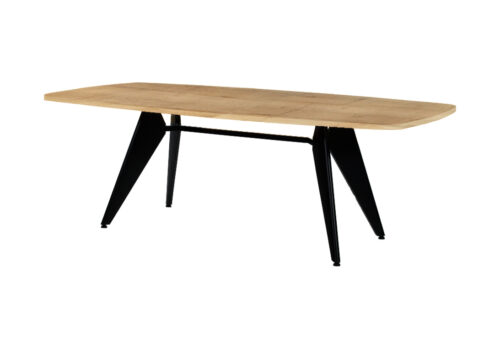
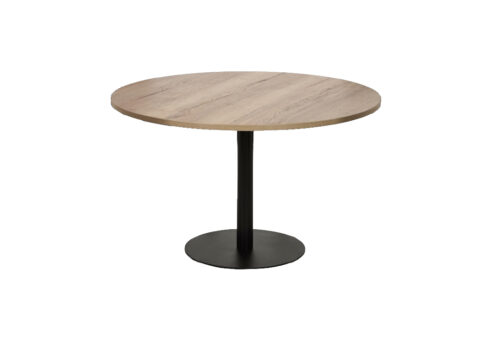
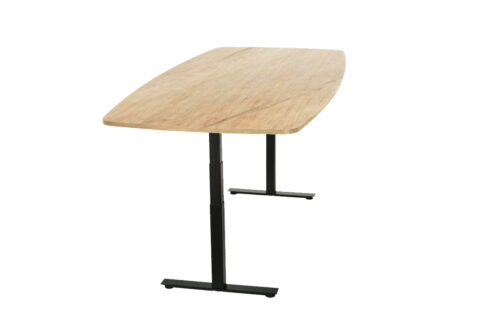
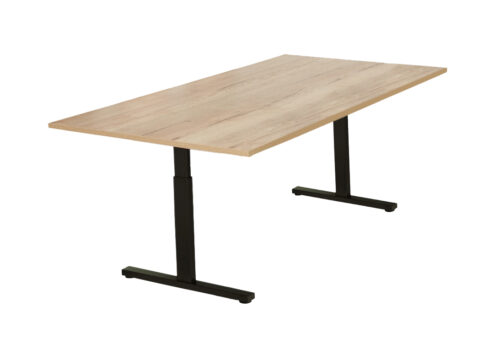
Stationary Tables for Recurring Conference Layouts

Stationary conference tables are intended for meeting arrangements without built-in mobility. Their placement deserves attention because the room should function well with the table in its chosen position through ordinary use. Begin with the activities that happen most often: group discussion, presentations, shared document review or a combination of these. The table’s relationship to the entrance, chairs and presentation area will shape how easily participants can settle into each activity.

A stationary table does not establish a particular frame, surface color or working height. It also does not mean the table is attached to the building. Keep the decision focused on whether a table without mobility suits the room’s routine. Where the layout stays consistent, plan that arrangement carefully. Where activities frequently require furniture to be relocated, examine the handling involved before making repeated changes part of the room’s everyday operation.

€14.33 p/m
€16.17 p/m
€26.01 p/m
€11.05 p/m
€10.84 p/m
€7.97 p/m
€27.04 p/m
€6.13 p/m

Positioning stationary conference tables for everyday use

Start with the room's main purpose and place the table accordingly. A discussion-focused room needs participants to engage with one another, while presentation-led meetings also require attention to a shared viewing direction. Consider both if the room serves mixed agendas. Stationary conference tables call for a position that supports these routines without depending on frequent relocation. Walk through the arrival sequence from the doorway to the chairs, then consider how someone would leave during a meeting. This reveals whether the proposed position creates unnecessary interruptions or makes the room harder to use once participants are seated around the table.

Plan movement around occupied chairs

An empty-room arrangement can look orderly while becoming awkward during use. Assess the table with chairs occupied or pulled back, paying attention to the paths people use to reach seats, doors and shared storage. Think about late arrivals and colleagues leaving to take a call. These everyday movements should inform the table's placement because built-in mobility is absent. Also consider people approaching with meeting materials or moving toward a presentation area. The aim is a room where the main routes remain understandable during an active discussion, rather than a layout that depends on chairs being neatly tucked away at all times.

Support different agendas within a settled layout

Changing the meeting format does not always require changing the table's location. Explore whether presentation direction, chair orientation and the use of shared boards can accommodate different agendas within the same arrangement. Keep attention on how participants will see and address one another. Stationary meeting tables can form part of a consistent room routine, but the room still needs to support the activities assigned to it. If a proposed activity depends on clearing the main floor, identify that requirement early. It may affect whether a table without mobility is appropriate for the space and its operating routine.

Make occasional relocation an explicit task

Stationary does not mean permanently fixed in place, but it does mean relocation should not be planned around a mobility feature. If a table occasionally needs moving, establish suitable handling arrangements and a destination before the event. Check the route and consider other furniture that may need repositioning. Avoid treating this occasional task as evidence that repeated changes will be convenient. Review how often relocation is genuinely required and who would carry it out. This separates a manageable exceptional change from a daily routine that could become unnecessarily complicated for the people preparing and resetting the meeting room.

Frequently asked questions

Are stationary tables attached to the floor?

Not necessarily. Stationary conference tables have no built-in mobility, but that does not establish attachment to the building. Treat installation and handling as separate matters, and do not assume that the table is permanently fixed in its chosen position.

Can a stationary table serve different meeting styles?

Yes, if its position supports those activities. Consider sightlines, chair orientation and access to shared presentation areas. A consistent table location may serve several meeting formats when the room is planned around how participants interact during each activity.

What should be considered before occasional moves?

Identify the destination, route and appropriate handling arrangements. Consider the furniture and access points along the way. Because mobility is absent, make relocation a planned task rather than assuming the table can be routinely moved as part of room preparation.