

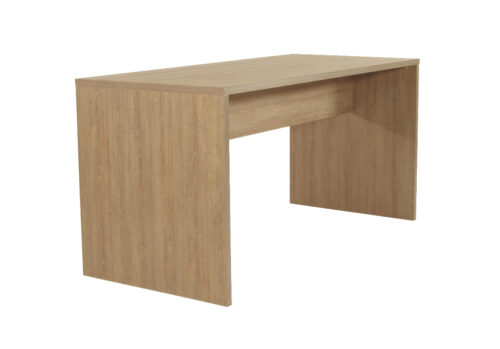
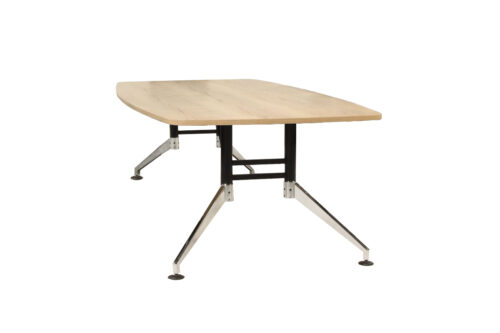
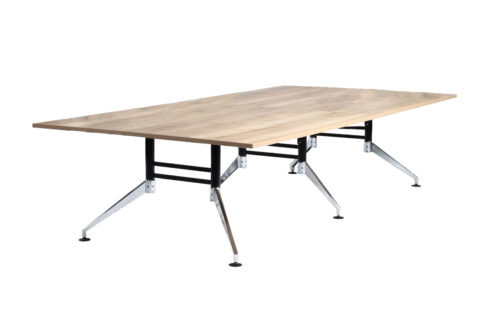
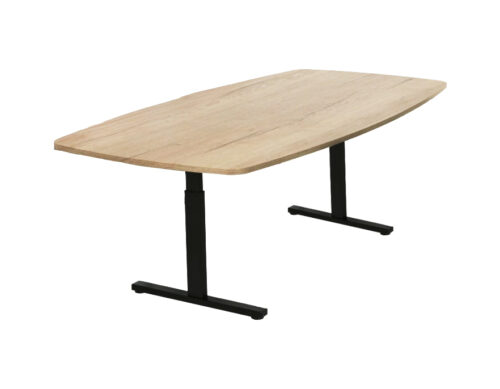
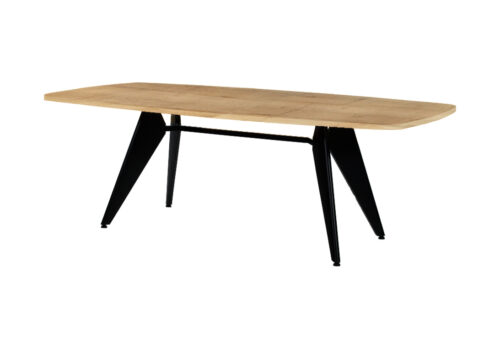
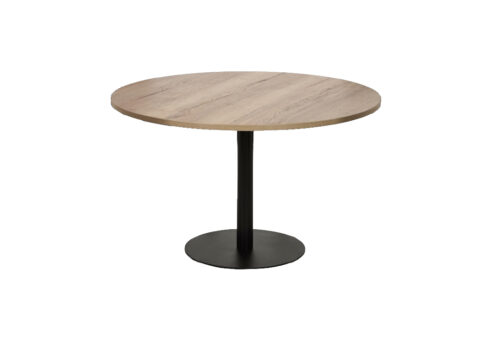
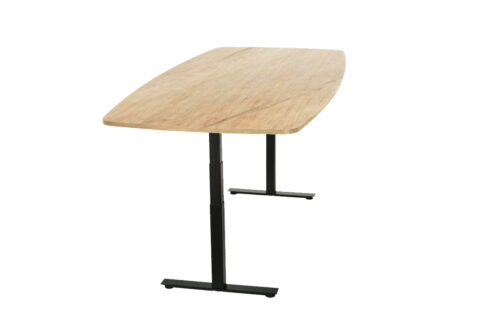
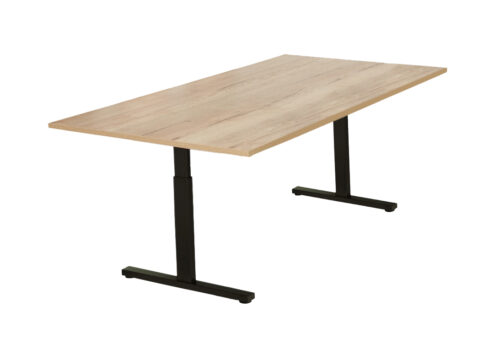
Stationary Meeting Tables Without Stacking

Non-stackable stationary conference tables call for a meeting layout that works without stacking or a mobility feature. Consider their position as an ongoing part of the room arrangement, with attention to chair access, presentation activity and routes between the table and surrounding furniture. This combination is particularly relevant when assessing whether a settled meeting setup can accommodate the room’s usual work without frequent furniture changes.

Start by distinguishing changes to the meeting from changes to the furniture. A new presenter, discussion format or screen arrangement may be manageable through seating and equipment placement. Activities that require an open room deserve closer consideration because the tables cannot be stacked and have no mobility feature. Plan around those limitations from the outset, including how the room will function between sessions and how users will reach its other facilities.

€14.33 p/m
€16.17 p/m
€26.01 p/m
€11.05 p/m
€10.84 p/m
€7.97 p/m
€27.04 p/m
€6.13 p/m

Position Non-Stackable Stationary Conference Tables Deliberately

Choose the table position by considering the room's recurring activities together. Think about approaches from the doorway, access to presentation equipment and the way participants reach their seats. Assess circulation with chairs pulled out and people already seated, since a neat empty-room arrangement can conceal conflicts. Without stacking or a mobility feature, the table position should support the ordinary meeting routine without depending on convenient relocation. Consider where a late arrival will sit, how someone will leave briefly and whether a presenter can move between the discussion area and the screen while the meeting continues.

Use Seating and Presentation Placement to Adapt

A settled table position does not require every session to follow the same format. Consider how participants face a presenter, share documents or discuss a common subject within the established arrangement. Changes to seating emphasis and presentation equipment may support a different activity without relocating the tables. Review sightlines from the places people actually use, including seats away from the main screen. Avoid treating furniture movement as the default response to a new meeting format. First identify what the activity needs, then assess whether the existing table position can support it through an appropriate arrangement of people and materials.

Keep Storage and Room Services Accessible

Non-stackable stationary conference tables need to coexist with the functions around the room's edges. Consider access to cabinets, presentation controls and any other facilities used during meetings. A table should not become an obstacle that must be shifted whenever someone needs a stored item. Think about chair movements near those access points and whether people would need to interrupt seated participants. Include ordinary room preparation and clearing in the assessment. Since there is no mobility feature and tables cannot be stacked, preserving practical access through the layout is especially relevant to the room's everyday operation.

Check Whether the Room Must Be Cleared

Before settling on the arrangement, examine any recurring activity that needs open floor space. Non-stackable stationary conference tables provide no stacking option and no mobility feature to support that change. Consider whether the activity could use the existing table arrangement or whether another workplace area would serve it better. If occasional relocation remains necessary, assess handling separately rather than assuming the furniture is intended for frequent movement. Make the consequences visible in room scheduling and preparation responsibilities. A clear understanding of the room's intended use helps avoid assigning it incompatible meeting formats that depend on an unplanned furniture change.

Questions About Stationary Tables Without Stacking

Does stationary establish floor attachment?

No. The absence of a mobility feature does not establish floor attachment or a particular installation method. Assess those details separately if they matter to the room's intended arrangement or handling requirements.

Can the meeting format still change?

Yes. Consider changes to seating, presentation placement and shared materials within the established table layout. Whether a particular activity works depends on its needs and the access available around the furniture.

What if the room regularly needs an empty floor?

Reconsider whether this combination fits that routine. There is no stacking option or mobility feature, so any clearing plan needs a separately assessed handling approach and a suitable destination for the tables.