



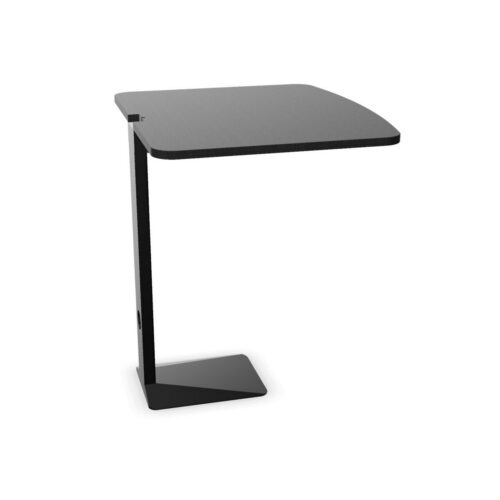


Comparing Conference Tables With Grey Surfaces
Begin with an actual comparison between the proposed surface and the room's existing gray finishes. A shared color label does not establish that they will appear alike. Differences in shade and undertone may become more apparent when the elements are placed beside each other. Decide if you want a close relationship or an intentional separation before coordinating additional furnishings. Conference tables with grey surfaces can provide continuity across a room, but that outcome depends on the surrounding colors. Include fixed elements such as flooring and doors in the review so the central surface is assessed within the setting people will use.
Give the Neutral Palette a Clear Structure
A room with several neutral colors still benefits from deliberate visual relationships. Consider which elements should form the background and which should be easier to distinguish. The table may connect with walls or storage, while seating introduces a contrasting tone. Alternatively, the surface may stand apart within an otherwise related palette. For conference tables with grey surfaces, avoid treating gray as an automatic match for every furnishing. Review the whole composition from the entrance and from participant positions. These views help establish whether the colors support a readable room arrangement while leaving the practical seating plan to reflect meeting activities.
