

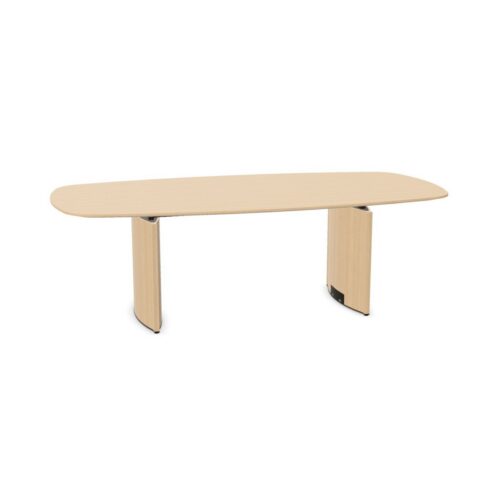
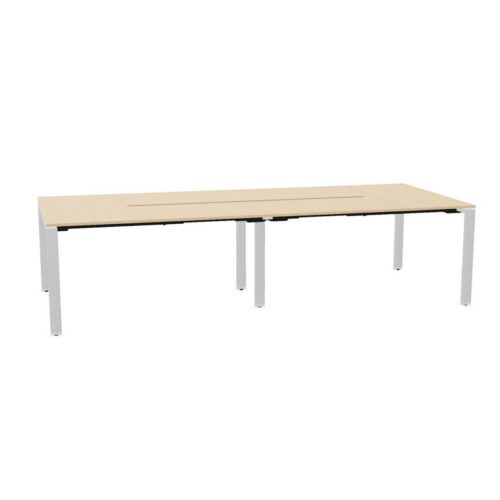
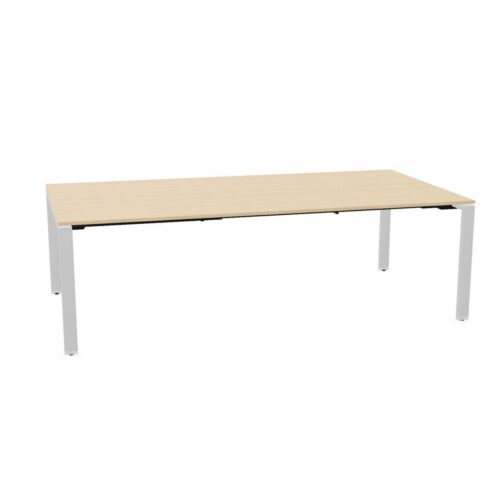
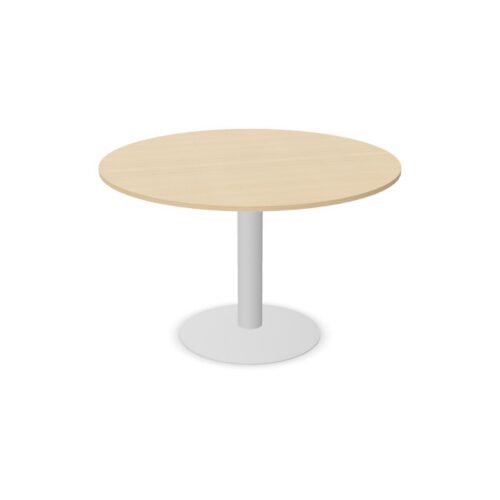
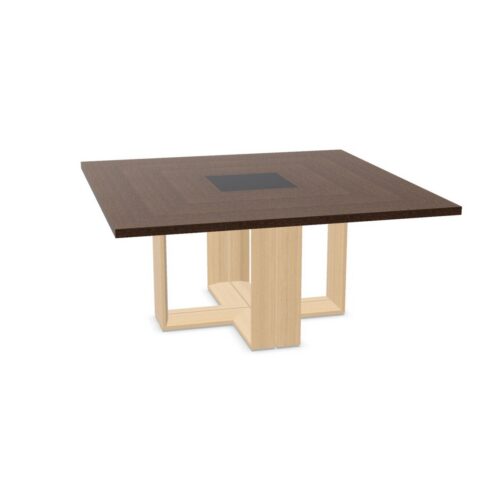
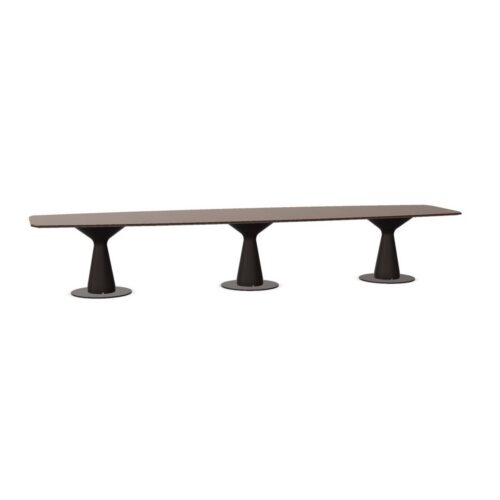
Oak Conference Tops Without Cable Trays

Conference tables with oak tops and no cable tray combine a clear material choice with a need to plan connections independently of tray-based cable organization. Assess the actual oak surface against the room’s surrounding finishes, then consider how participants will use documents, laptops and presentation equipment. Oak does not establish a particular color or finish, and the absence of a tray does not determine other connection features.

The combination can be evaluated through the room’s daily pattern. A conversation-led space may have little equipment on the table, while a working meeting may involve devices throughout the session. Identify those habits before deciding where the table belongs. The room’s outlets, entrance, chairs and storage should all inform the arrangement, so the material decision sits within a practical plan for both connected work and face-to-face discussion.

11 models
From €21.26 p/m
9 models
From €22.04 p/m
3 models
From €30.93 p/m
2 models
From €9.99 p/m
4 models
From €6.03 p/m
4 models
From €59.03 p/m
3 models
From €25.99 p/m
2 models
From €17.92 p/m
11 models
From €15.25 p/m
4 models
From €23.04 p/m
9 models
From €14.80 p/m
8 models
From €30.83 p/m
30 models
From €16.42 p/m
4 models
From €50.98 p/m
2 models
From €105.43 p/m
€13.94 p/m
€128.24 p/m
6 models
From €6.15 p/m
6 models
From €5.43 p/m
7 models
From €10.82 p/m
5 models
From €10.64 p/m
2 models
From €125.31 p/m
2 models
From €6.72 p/m

Conference Tables With Oak Tops Without Cable Trays

Begin by separating the visual brief from the equipment brief. The oak tabletop gives the room a material reference, while having no cable tray leaves cable routes to be resolved through the actual connection arrangement. Both decisions matter, but one should not be used to make assumptions about the other.

Bring the briefs together through a typical meeting. Picture shared papers, personal devices and the people seated around them. Identify where attention is directed and which items need a connection. This gives the table position a practical basis before you assess how its surface relates to the surrounding interior.

Compare Oak With the Finishes Already Present

Look at the actual surface alongside nearby cabinets, chairs and other visible furniture. Do not rely on the material name to predict a matching tone. Decide whether the oak top should continue an existing visual relationship or introduce a distinct material element within the conference area.

Consider the view from the entrance and the view from the chairs. Participants experience the surface close to their working materials, while someone entering sees it within the whole room. Assessing both perspectives helps connect the tabletop choice with the interior without assuming a particular color, construction or finish.

Route Devices Around Real Movement

Locate the connections needed for ordinary meetings and trace a route from each device. Check where chairs move and where someone walks to join or leave the discussion. Without a tray, the cable arrangement needs a clear plan that accounts for those movements throughout the session.

Evaluate conference tables with oak tops in relation to those existing connection points. If the proposed position sends a cable across a regular approach route, reconsider the orientation or device position. Include access to storage and presentation equipment, rather than focusing only on the path between a laptop and an outlet.

Prepare the Room for Its Next Discussion

Agree where occasional cables and shared devices will be stored after use. A room that alternates between connected work and conversation benefits from a clear routine for removing temporary equipment. Decide who restores the shared work area and how the next group will find the necessary meeting supplies.

Plan surface care from the instructions for the particular oak tabletop. The material label alone should not determine the cleaning method. Keep maintenance, equipment handling and furniture placement connected through a practical room routine, with enough clarity that different teams can leave the space ready for its next use.

Questions About Oak Tops Without Cable Trays

Can oak be coordinated with different surrounding finishes?

Assess the actual surfaces together and choose the relationship deliberately. Oak identifies the tabletop material without establishing its tone, so coordination should depend on what is visibly present in the room.

How should conference tables with oak tops accommodate connected work?

Review the room outlets, device positions and routes between them. With no cable tray, give particular attention to chair movement, entrances and where cables will be kept after the meeting.

What if most meetings use no connected equipment?

Plan primarily around discussion, document handling and clear access, while retaining an agreed approach for occasional devices. Identify their connection route and storage destination before a presentation or charging need arises.

Explore related selections