












Comparing Conference Tables With Oak Tops
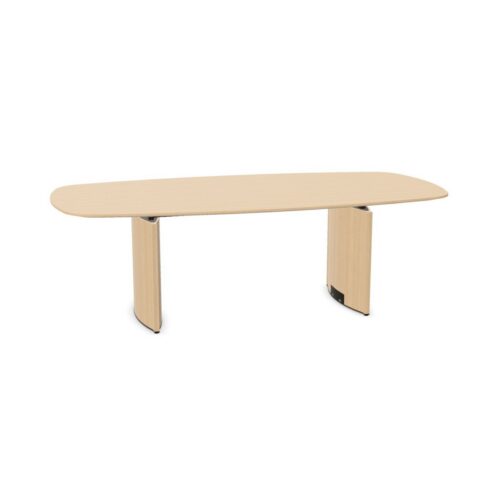
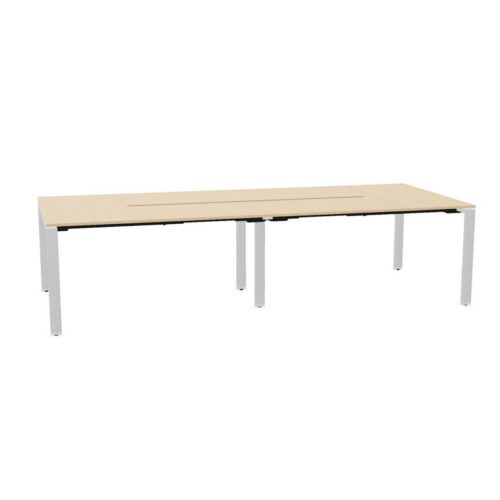
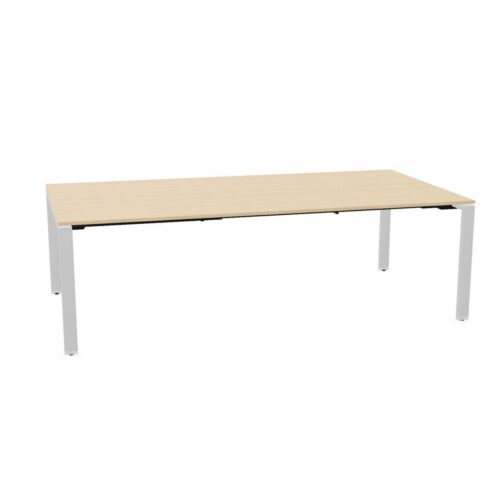
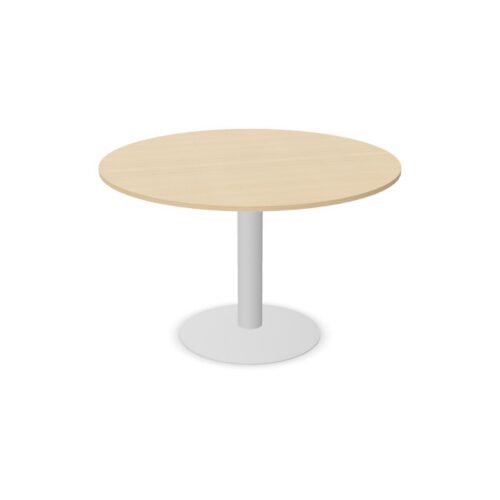
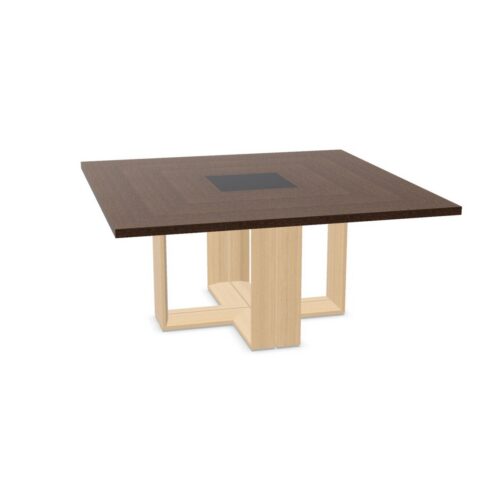
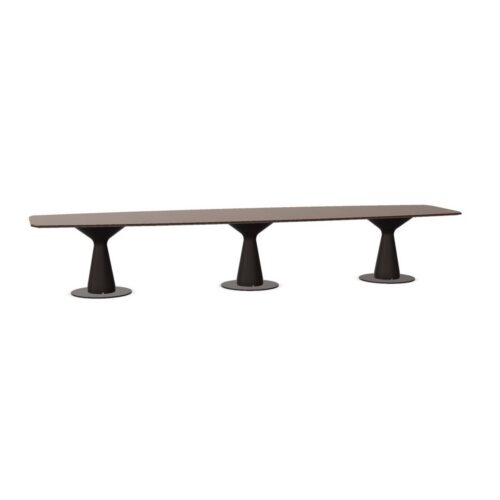
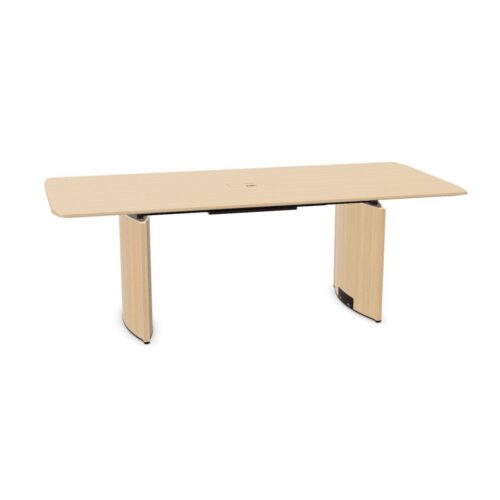
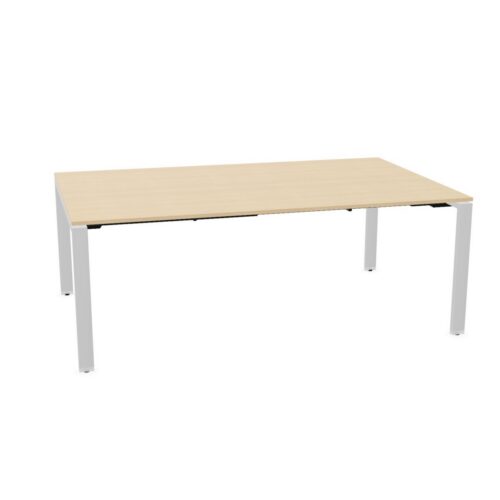
Look at the actual tabletop appearance before deciding how it should relate to the room. Oak as a material does not promise a particular shade or finish. Compare the surface with the furniture that will remain nearby, including pieces visible through open doorways or across a shared workplace.
Decide whether continuity or variation is the aim. Coordinating an oak top with existing furniture does not require every surface to look identical. A deliberate relationship between tones can be easier to judge than an attempted match based only on material names, especially when several finishes meet in one view.
Give Discussion Materials a Practical Place
Consider what the table needs to hold during a normal conversation. Some sessions revolve around shared papers, while others involve personal notes and a presenter. Establish where these items belong so participants can follow the discussion without repeatedly relocating another person's materials or moving equipment out of the way.
Review the tabletop as a working setting as well as an interior element. Its appearance will be partly covered during most meetings. Thinking through that occupied view helps keep the choice connected to everyday work, including how people exchange documents, indicate details and return shared items after a discussion.
