


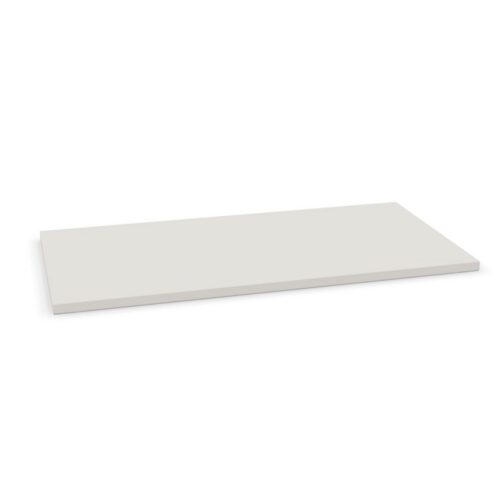
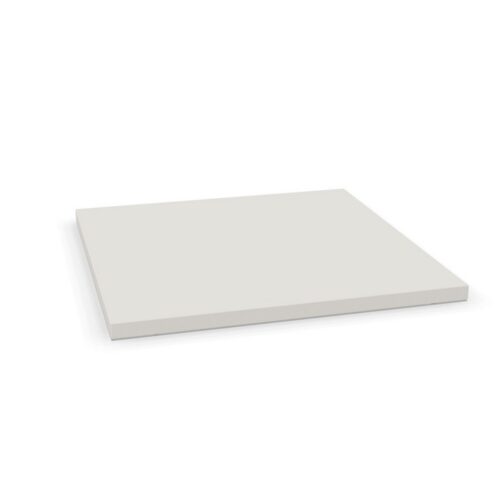
Planning Conference Tables With Corner Sheet Tops and Oak Tops
Begin by identifying the room's main movement route. People should be able to enter, reach an available chair and leave without crossing through another person's working position. With a corner sheet top, consider how each part of the outline relates to that route. Check the arrangement with chairs pulled back, rather than judging the table alone.
Keep the distinction between the tabletop name and the actual room arrangement clear. Position the table according to its observed outline and the way the room is used. A corner sheet designation does not establish that it belongs against a wall.
Relating Oak to Existing Room Finishes
Oak conference tables with corner sheet tops introduce a material decision that deserves attention alongside shape. Compare the actual oak surface with nearby storage, doors and other prominent furniture. Exact matching is only one approach; a deliberate difference can also give the room a coherent appearance when the surrounding choices are restrained.
View the surface under the lighting used during meetings. Avoid assuming that the word oak establishes a particular shade or surface treatment. Base the visual decision on the table itself and the furnishings that will remain around it.
Giving Every Working Position a Purpose
Map typical meeting activities onto the tabletop. Someone taking notes needs an unobstructed working area, while someone leading a discussion may need to see both colleagues and a shared display. Follow the corner sheet outline when deciding where those activities belong, and avoid placing a chair simply because an edge is available.
For conference tables combining corner sheet tops with oak surfaces, a useful arrangement begins with the seated experience. Check whether neighboring positions compete for the same space and whether people can place papers without interrupting circulation or another participant's view.
