

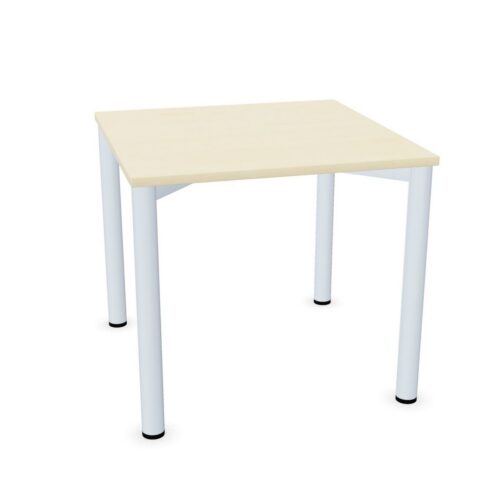
Brown Conference Tables Featuring Round Leaf Tops

Conference tables with round leaf tops and brown surfaces combine a circular meeting outline with a brown tabletop color. This pairing can relate to an interior containing earthy colors or other brown finishes, but the actual tones need comparison. Brown describes the selected color rather than a material or wood species. The round leaf shape introduces a separate practical question: how should chairs, circulation and shared room resources be arranged around the table?

Start with the room’s main purpose and its existing finishes. A discussion-focused space needs useful relationships between participants, while a room used for presentations also needs a clear viewing direction. Brown round leaf conference tables should be evaluated alongside chairs, flooring and nearby storage in the same room plan. Connect the palette to practical placement, checking the arrangement with occupied seating and the routes people follow during a meeting.


Coordinate conference tables with round leaf tops and brown surfaces

Compare the brown tabletop with the finishes that will remain in the room. The floor may be the strongest reference, or nearby storage may have a more direct visual relationship with the table. Decide whether the surface should connect closely to those elements or provide a deliberate difference. Include chair upholstery in the comparison so that the meeting arrangement reads as a considered group. Brown can describe different tones, so do not rely on the color name alone. View the circular surface within the complete room setting and under the lighting normally used for meetings before settling the surrounding palette.

Build the discussion layout around real activities

Use the round leaf outline as the starting point for face-to-face seating, then consider what participants will do during the meeting. They may refer to individual notes, discuss shared papers or turn toward a screen. Each activity affects how useful a chair position will be. Avoid arranging seats solely to create an evenly spaced circle in an empty room. Check how people will enter, take their places and follow the discussion. If a shared presentation area is used regularly, include it from the beginning. The circular outline provides a common center, but the meeting routine determines how that center relates to the room.

Keep access to storage independent of seated users

Brown round leaf conference tables may be placed near storage that relates to the surface color. Review that visual connection alongside the movement required to use the storage. Doors and drawers need an unobstructed working area, and someone retrieving materials should be able to do so without repeatedly shifting occupied chairs. Trace the route from the table to the storage and back again. If that route crosses the entrance approach or the main presentation area, reconsider the supporting furniture placement. A coordinated appearance is useful, but the arrangement also needs to accommodate ordinary interruptions and transitions during a working meeting.

Distinguish color choices from construction decisions

A brown surface does not establish wood construction, a particular species or a specific finish. Keep those questions separate from the initial assessment of color and shape. For the room plan, focus on how the brown tone relates to walls, chairs and flooring, and how the round perimeter organizes seating. For any other requirement, review the relevant characteristic directly rather than inferring it from appearance. This approach keeps the comparison grounded in what the combination actually establishes. After choosing a visual direction, revisit access around occupied chairs and the view toward shared information to confirm that the practical layout remains coherent.

Frequently asked questions

Does brown mean a wood tabletop?

No. Brown identifies the selected surface color. It does not confirm wood, a wood effect or another construction. Assess material and finish separately if they are relevant, while using the stated color to coordinate the room's visual scheme.

How should brown seating relate to the surface?

Compare the actual tones instead of assuming they match. Similar browns can create continuity, while a deliberate difference may distinguish the chairs from the tabletop. Include the floor and nearby storage in the same visual assessment.

Where should the table sit beside storage?

For conference tables with brown round leaf tops, preserve access to storage with chairs occupied. Check opening areas and the route for retrieving materials. The useful position depends on those movements as well as the relationship between surrounding finishes.

For conference tables with round leaf tops and brown surfaces, map the intended seats before deciding how the table will sit within the room.

Keep conference tables with round leaf tops and brown surfaces in view while comparing placement, access and the surrounding interior.

Explore related selections