

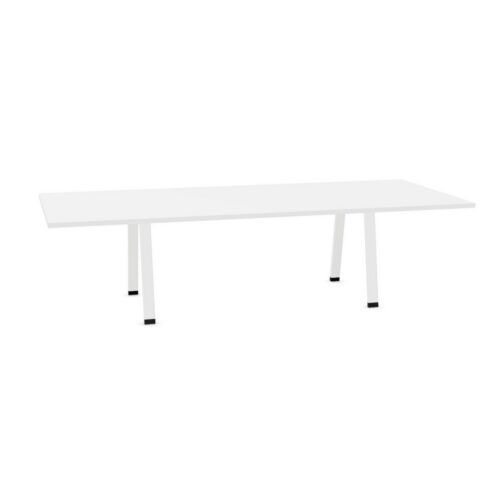
Brown Meeting Surfaces in Workplace Settings

Conference tables with brown surfaces bring a brown color choice into the shared meeting area. Brown can relate to existing furnishings and surrounding finishes, but it does not identify a wood species, material or construction. Begin with the actual appearance of the surface and compare it with the elements that will remain in the room. Decide whether the table should continue an established palette or introduce a distinct tone.

The relationship between brown, neighboring colors and room lighting deserves a direct review. A surface that appears coordinated beside one finish may create a different effect when walls, flooring and chairs are seen together. Consider the room from the entrance and from the seats used during discussions. Keep access, presentation views and the handling of meeting materials central to the layout, then use the brown tone to connect that working arrangement with the room’s wider visual setting.

3 models
From €20.05 p/m
2 models
From €28.04 p/m
€9.29 p/m
€9.94 p/m
2 models
From €9.51 p/m
€31.41 p/m
€11.34 p/m
2 models
From €19.95 p/m
2 models
From €10.48 p/m
4 models
From €7.81 p/m
2 models
From €8.94 p/m
4 models
From €9.16 p/m
2 models
From €30.93 p/m

Coordinating Conference Tables With Brown Surfaces

Start with the brown tones already present in doors, storage, seating or flooring. They may have different appearances despite sharing a general color description. Compare the proposed surface with them directly and decide whether a close relationship or a clear distinction is preferable. Conference tables with brown surfaces do not need to repeat every neighboring finish. A deliberate difference can be easier to coordinate than an uncertain near match. Review the composition with the surrounding wall colors included, since these influence how the brown is perceived and whether the meeting table feels visually connected to the rest of the room.

Decide Which Furnishings Should Carry the Color

Consider whether brown should appear mainly at the table or recur elsewhere in the meeting space. Repeating a related tone in existing furnishings can create a connection, while contrasting seating can distinguish the places participants occupy. Neither choice requires a particular style of room. Focus on the actual colors and their relationship rather than assumptions about what brown should signify. For conference tables with brown surfaces, give each recurring color a clear role in the overall arrangement. Review the view through the doorway as well, particularly where the meeting room is seen alongside adjacent work areas with an established palette.

Review the Brown Tone During Normal Use

Observe the surface under the lighting used for discussions, document work and presentations. Include daylight if it forms part of the room's usual conditions. Compare the brown with nearby finishes while those elements are visible together, rather than judging it separately. The color description does not establish texture, sheen or reflection behavior. If those qualities affect meeting tasks, assess them independently. Conference tables with brown surfaces should also be viewed with typical meeting materials in place, since documents and equipment form part of the appearance during use. This gives the color review a practical basis in the room's everyday activities.

Build the Arrangement Around Movement and Views

Use access routes, chair movement and presentation sightlines to establish the physical plan. Then review how the brown surface relates to the furnishings within that arrangement. Avoid placing the table solely to achieve a particular view from outside if that position complicates the way participants enter or follow a discussion. Give shared materials and temporary equipment places that support the meeting routine. A brown surface can remain part of a coordinated room through different activities when the layout has been considered as a whole. Include the route between seats and shared room features in the review before finalizing the arrangement.

Frequently Asked Questions

Does brown mean the surface is made from wood?

No. Brown is the selected surface color and does not establish a material, species or construction. Keep those questions separate from the visual comparison if they are relevant to the room's requirements. The color alone cannot confirm them.

How should a brown table relate to brown storage?

Compare their actual appearances under the same room lighting. Conference tables with brown surfaces can coordinate through a close relationship or an intentional contrast. Avoid assuming a match from the shared color label, especially when the furnishings are seen directly beside each other.

What should guide the final room arrangement?

Begin with the way people enter, sit, move and view shared presentations. Assess the brown tone within that practical arrangement, including nearby finishes and typical meeting materials. This connects the color decision to the activities the room needs to support.

Explore related selections