








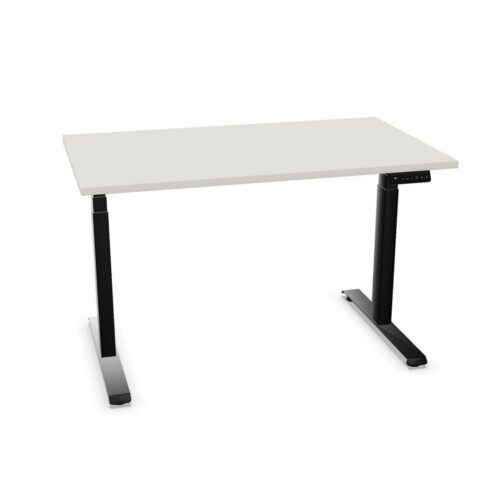

Bring a warm surface into a practical office scheme
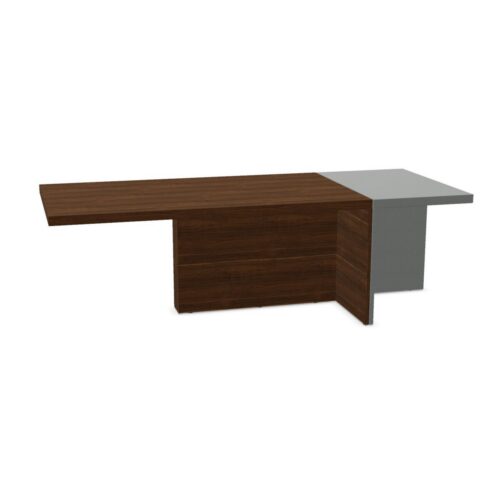
Brown can soften a workstation and link it with other natural-looking materials. It may complement wood storage or warm flooring, or provide contrast in an otherwise pale room. The particular shade and finish matter: compare the manufacturer’s description with nearby furniture rather than assuming all brown surfaces will match. When several desks are planned together, choose whether to repeat the same finish or use brown as one element within a broader palette.
Color coordination should support a comfortable working environment. Consider how the brown worktop looks beside task chairs, screens and lighting, and notice the way it appears in the room’s daylight and artificial light. A combination that feels balanced in a product photograph may read differently beside existing furniture. If the office includes both focused work areas and shared zones, the brown surface can help create visual continuity while the layouts vary.
Think through how electric adjustment will be used
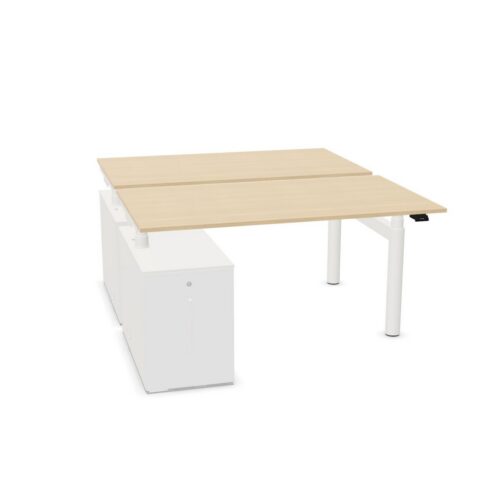
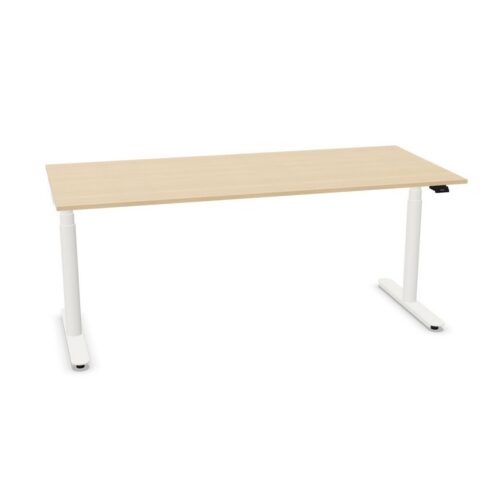
An electric desk lets users change the work surface position through a powered mechanism. This can support a varied routine or help a shared station accommodate different users. Decide how the desk will be assigned and what should remain set up on it. A personal workstation may keep its screen and accessories in place, while a shared desk benefits from a clear arrangement that can be adjusted without moving unnecessary equipment.
Allow the worktop to move without colliding with nearby items. Check the position of chairs, storage, wall-mounted screens and cables around the chosen location. Electrical leads and device connections should have a planned route that follows the movement of the desk safely. Product specifications can differ across the selection, so verify the frame and accessory details for the individual option instead of assuming the same adjustment components are provided on every model.
