










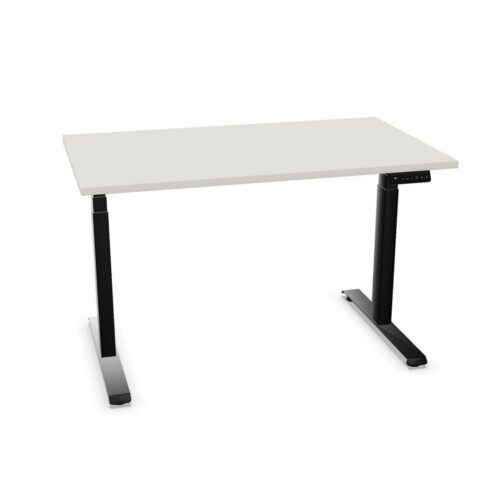
Use beige as a flexible workplace neutral
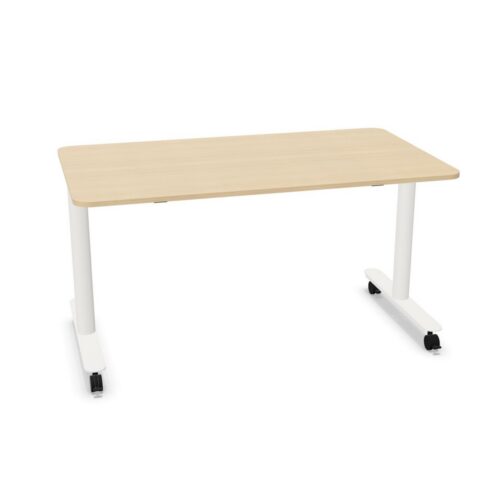
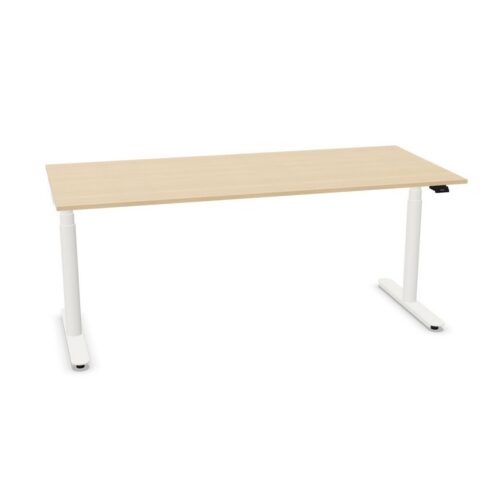
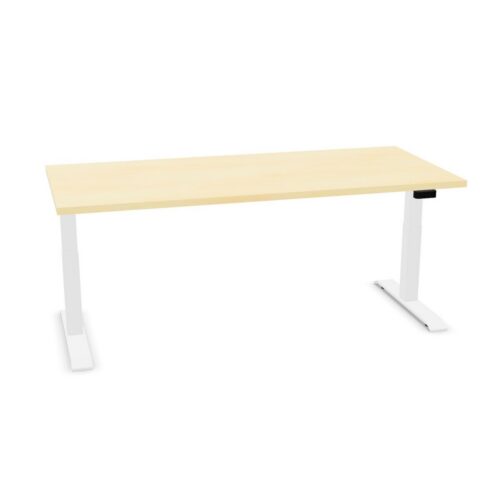
Beige surfaces can bring warmth to a work area while remaining easy to coordinate with other finishes. They can sit alongside pale walls, timber details or darker accents without demanding that every piece of furniture match. Before choosing a finish, look at the surrounding colors and materials together. A beige top may appear warmer or cooler depending on its context, so product descriptions and finish information matter when the office is planned as a coordinated whole.
In an open office, repeating a beige surface can help create visual consistency even when desks have different shapes. In a smaller room, a light neutral finish can keep the workstation from becoming the dominant feature. Consider the room’s lighting, the color of the chair and the screen equipment. These relationships help decide whether the desk should blend into the background or provide a defined work zone.
Plan the electric desk for real work routines
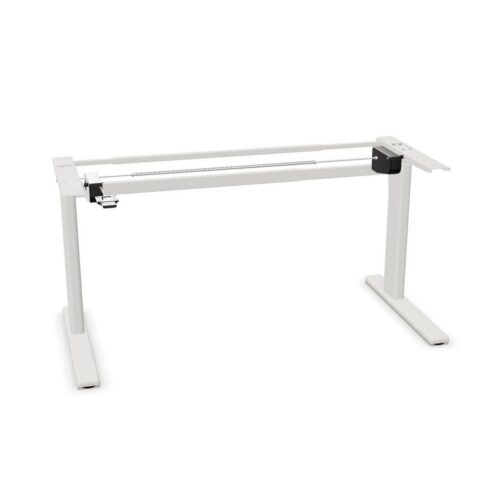
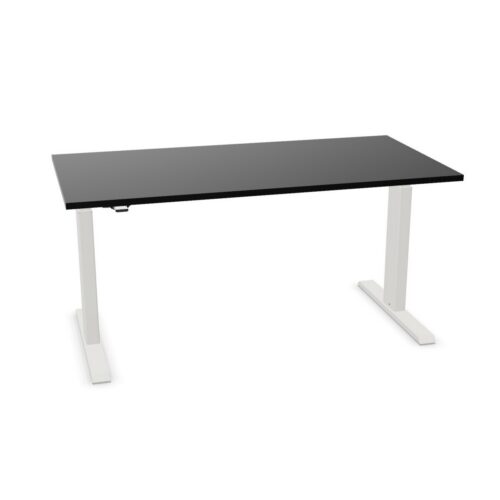
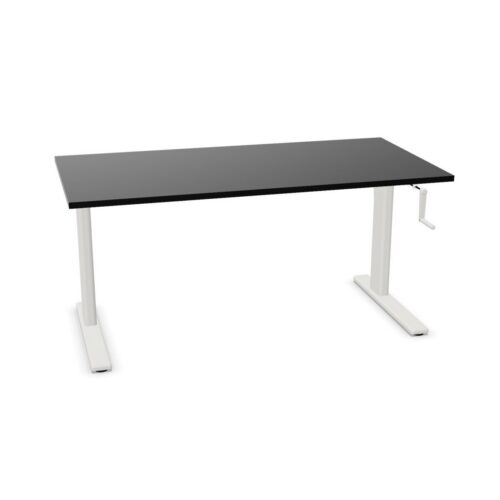
Give the desk a clear movement area. Check that the chair, storage, nearby tables and wall-mounted equipment do not obstruct the surface as it changes position. Plan a flexible route for power and device cables so they can move with the desk without pulling or catching. Specifications differ between products, including frame and accessory details, so confirm the information for each model before planning the workstation around a particular feature.
Match the format to the room and the work
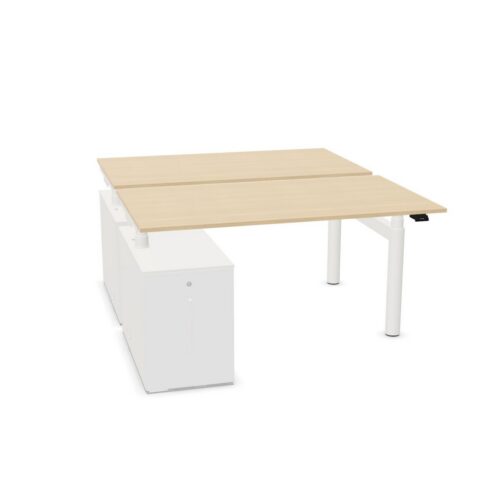
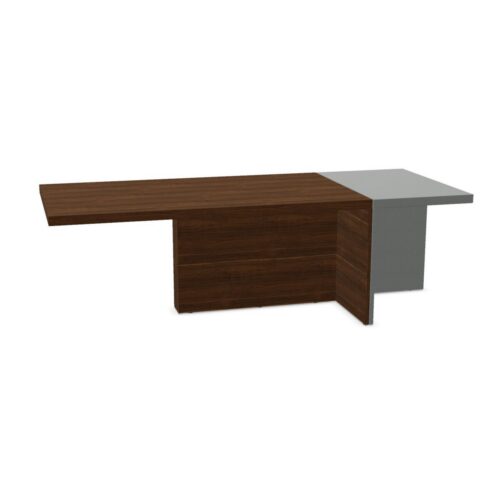
Different desk formats support different uses. A straight worktop may suit an individual workstation with a simple screen setup. Corner desks can organize equipment across separate zones, while bench arrangements can place colleagues in a shared work area. Think about how users enter and leave their seats, where storage belongs and whether people need separation from nearby activity before selecting the format.
