


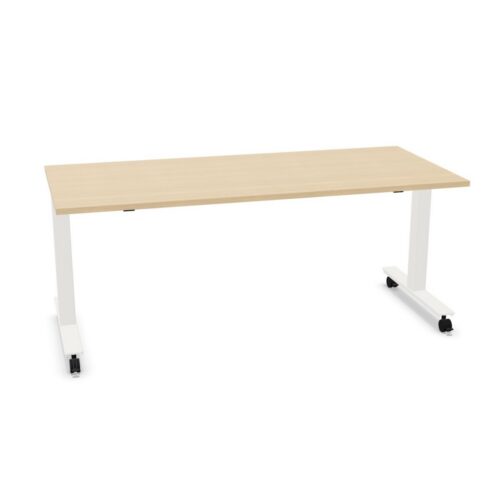
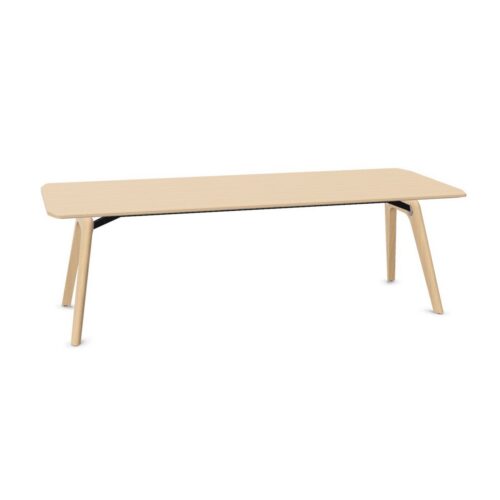

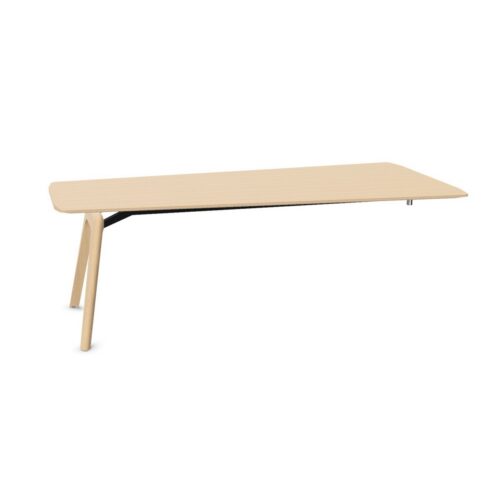


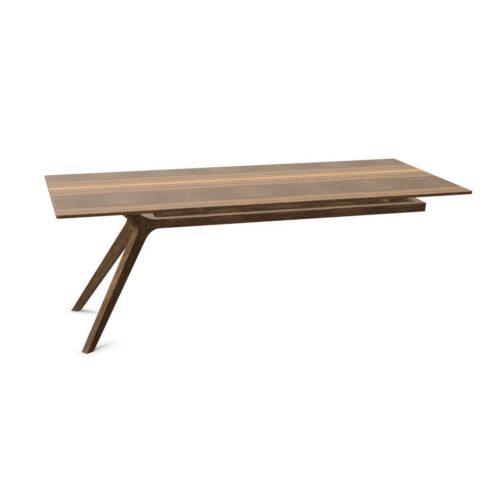


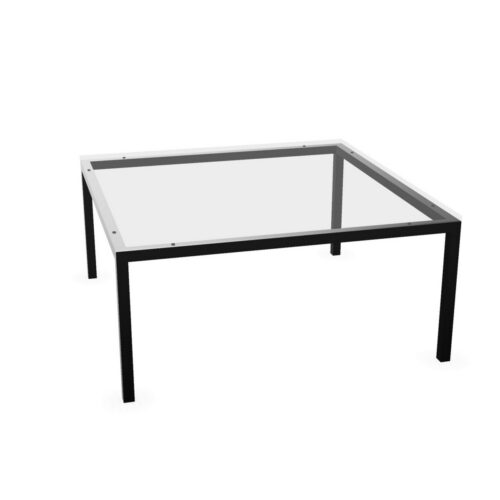
Consider the visual effect of a transparent surface
A transparent-looking work surface can create a lighter visual presence than a solid color. It may suit a compact office, an open plan or an interior where other elements should remain visible. The effect depends on the product's actual finish and construction, so consult the product details before making assumptions about clarity, material or care. A color label is a starting point for selection, not a substitute for the full specification.
Think about what can be seen through or around the desk in its intended setting. Cables, storage and floor finishes may become more noticeable, so plan how those elements will look together. The desk can complement a room where openness is part of the design, but it still needs a practical arrangement for screens, writing and everyday work. Consider the view from nearby seats as well as from the user's position.
Set a comfortable workstation around a fixed top
These desks do not change their working height. Choose the workstation for the intended user and arrange the chair, screen and keyboard around the set position. Consider the main tasks and how much clear worktop area is needed. A fixed station can be simple to manage when its use is known, but careful planning matters if the desk will serve multiple people.
For shared use, decide how the chair and equipment can be adjusted between users. Keep the desktop organized and make sure there is room for a comfortable approach and chair movement. Since the desk itself remains in one position, suitable seating and compatible screen supports may help adapt the rest of the setup. Plan for storage and power access before placing the desk in the room.
