

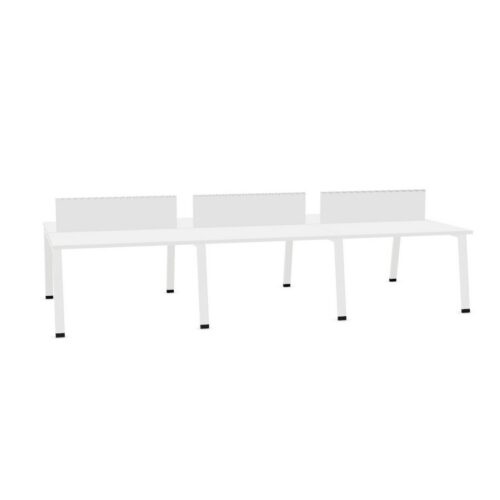
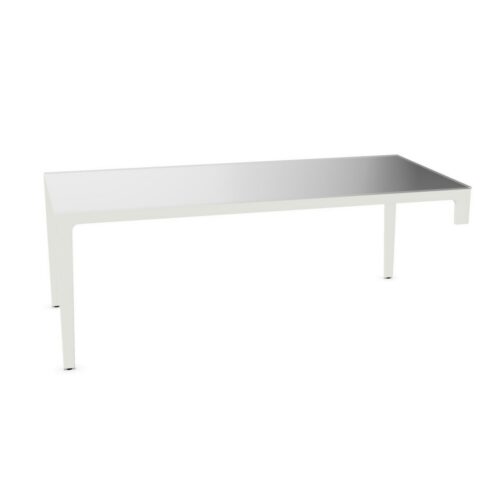


Desks with a transparent base finish and the no-cable-tray option

This page focuses on desks with a transparent base finish and the no-cable-tray option, a workstation specification to review alongside the purpose of the workspace. The review should start with how the space is used. office administrators can assess the transparent base colour, consider the no-cable-tray configuration and verify the remaining clearance for access around the desks before arranging desks.

Useful project notes explain why the selected desk configuration was shortlisted, who it serves and what the project team should confirm during room planning. Assess the transparent base colour alongside the no-cable-tray configuration before confirming the choice. Before setting up quiet administrative work in an open-plan workplace, weigh the no-cable-tray configuration against the transparent base colour; the circulation path across the proposed office provides a concrete test for the planned desk.

3 models
From €27.53 p/m
3 models
From €44.81 p/m
5 models
From €27.43 p/m
2 models
From €7.99 p/m
4 models
From €1.17 p/m
3 models
From €6.42 p/m
12 models
From €4.31 p/m
7 models
From €24.64 p/m
9 models
From €15.05 p/m
€16.42 p/m
3 models
From €11.64 p/m
2 models
From €26.63 p/m
2 models
From €26.63 p/m
14 models
From €24.80 p/m
6 models
From €7.20 p/m
4 models
From €2.93 p/m
5 models
From €25.89 p/m

Keeping the desk details useful over time

The selected filters describe separate parts of a desk. Consider the no-cable-tray configuration with the transparent base colour, then connect both to a workable place for regular tasks in a flexible workspace. The planned room brief for a hybrid-work hub can record the transparent base colour, the no-cable-tray configuration and the position of adjacent desks together, giving colleagues a concrete basis for comparison. People entering a staff area notice more than the desktop finish; relate the no-cable-tray configuration and the transparent base colour to the arrangement of adjacent furniture and furniture around the desk before completing the project plan. For short team check-ins, map the planned workstation position first and assess the transparent base colour alongside the no-cable-tray configuration; this links the listed values to the route people follow.

Matching desk details to work routines

If a hybrid-work hub serves several purposes, assess the transparent base colour alongside the no-cable-tray configuration and consider how paperwork affects movement through the space. Before arranging a reception office, identify the main work tasks and compare the specified desk with the way people move between desks and shared areas. Keep the transparent base colour and the no-cable-tray configuration together in the project desk brief. Room planning connects product choices with daily routines; use the arrangement of adjacent furniture to test how these workstation details work in context. For this desk specification, relate the transparent base colour to the no-cable-tray configuration. Rather than applying one rule throughout the office, review the specified desk in each planned zone and note any difference in how the space is used.

Planning adjacent workstations

Before judging the desk on looks, compare the no-cable-tray configuration with how a user approaches the selected desk; the selected arrangement should fit both a busy team space and its regular activities. Keep the transparent base colour visible in the comparison. For operations managers planning a reception office, relate the transparent base colour to the no-cable-tray configuration, then review the relationship with nearby storage against shared office tasks before finalising this filter combination. For video calls, the selected desk has to suit its setting. Assess the no-cable-tray configuration, account for the transparent base colour and review the path between work areas before arranging surrounding pieces. People arranging a quiet office should map the activity first, then decide how the transparent base colour and the no-cable-tray configuration contribute to the workplace brief.

Reviewing the working position specification

Before the workstation search is added to the schedule, confirm the listed configuration and relate it to the transparent base colour, the wider furniture scheme plan and room access. Also assess the no-cable-tray configuration in the proposed room layout. If a meeting suite is shared, ask different users to review the proposed plan. Their feedback can clarify how the no-cable-tray configuration relates to everyday work. Also assess the transparent base colour in the proposed room layout. For individual research workstations, begin with access around the desks and where equipment will sit; then confirm how the transparent base colour and the no-cable-tray configuration affect the project plan. A plan for collaborative planning is clearer when project leads connect the transparent base colour and the no-cable-tray configuration to those working there using a multi-purpose room.

Frequently asked questions

How should the transparent base colour be considered when planning desks with a transparent base finish and the no-cable-tray option?

The selected desks share the transparent base colour. Place this detail beside the cable-tray choice when planning open-plan teams. When the work involves client conversations, how a user approaches the workstation can show whether the transparent base colour and the cable-tray choice fit the intended desk plan. Before approving desks for a private office, compare the cable-tray choice and the transparent base colour with the surrounding furniture plan, the people assigned to this work area and the expected pattern of changing work routines.

Which project details matter when comparing desks with a transparent base finish and the no-cable-tray option?

A planning review can connect the cable-tray choice with the transparent base colour and adjacent furniture. If a private office is shared, ask different users to review the furniture arrangement. Their feedback can clarify how the transparent base colour relates to everyday work. Check the cable-tray choice against the intended use. A flexible workplace may host shared office tasks one day and quiet administrative work the next, so assess how the specified desk fits ordinary changes in use. Assess the transparent base colour alongside the cable-tray choice before confirming the choice.

How can planners review desks with a transparent base finish and the no-cable-tray option for a shared office?

Bring the transparent base colour, the cable-tray choice and task lighting into the same discussion before setting a desk schedule. When use changes from document review to quiet administrative work, revisit the project desk brief and check whether the cable-tray choice, the transparent base colour and how individual work sits alongside shared tasks still match the space. A short comparison note can show how the cable-tray choice and the transparent base colour answer different requirements within the same workspace.

Explore related selections