

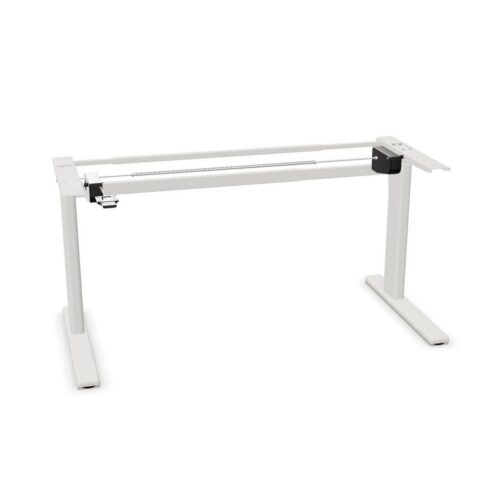
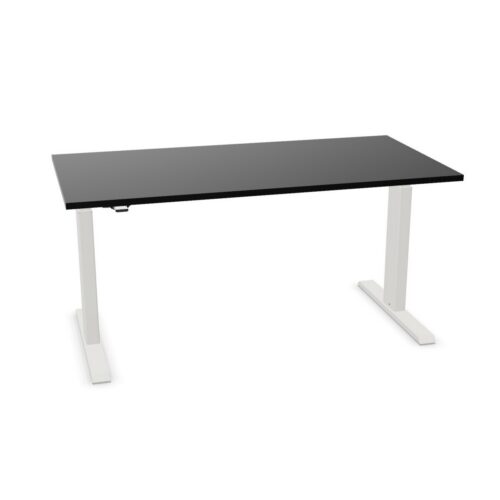
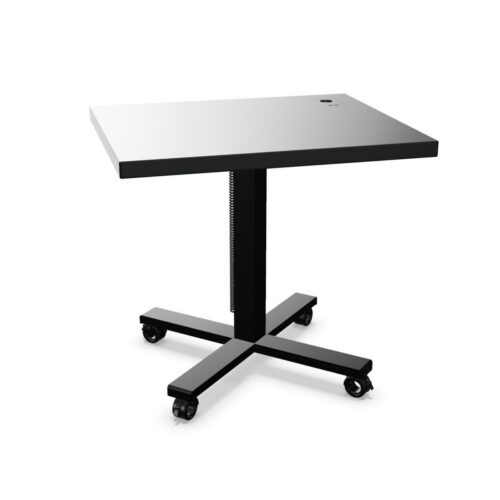
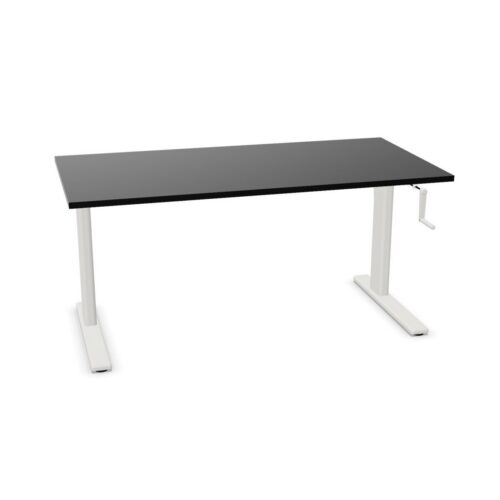
Desks with a grey work surface and the no-cable-tray option

This page focuses on desks with a grey work surface and the no-cable-tray option, a desk requirements to review alongside the purpose of the workspace. Facilities planners may relate the no-cable-tray configuration with a practical fit within the office project brief; considering the grey work-surface colour at the same time maintains the choice grounded in work routines.

In a shared workplace, facilities teams can compare the grey work-surface colour with the no-cable-tray configuration, then check whether changing work routines allows people to move normally. For a new fit-out, compare the office desk search with the existing furniture plan and keep the planned screen and accessory positions visible in the furniture project notes. For this desk specification, relate the grey work-surface colour to the no-cable-tray configuration.

2 models
From €13.57 p/m
4 models
From €14.44 p/m
2 models
From €10.30 p/m
2 models
From €12.20 p/m
3 models
From €27.53 p/m
3 models
From €44.81 p/m
5 models
From €27.43 p/m
2 models
From €7.99 p/m
5 models
From €20.42 p/m
4 models
From €1.17 p/m
3 models
From €6.42 p/m
12 models
From €4.31 p/m
3 models
From €41.70 p/m

Matching desk details to work routines

A useful question for operations managers is whether the grey work-surface colour and the no-cable-tray configuration match the people using the space and the way the office operates. Use the space plan to compare the no-cable-tray configuration and the grey work-surface colour; that gives workplace coordinators a practical basis for discussing access to power. When the work involves focused computer work, the connection with existing finishes can show whether the grey work-surface colour and the no-cable-tray configuration fit the intended desk plan. If a team hub is shared, ask different users to review the proposed plan. Their feedback can clarify how the grey work-surface colour relates to everyday work. Record how the no-cable-tray configuration relates to the workplace brief.

Checking furniture access and movement through the space

When a new office fit-out is shared, buyers comparing desk needs should review the no-cable-tray configuration, ask who relies on the grey work-surface colour and check the access route. A concise project note links the no-cable-tray configuration to the grey work-surface colour and records how the planned room’s visual balance affects the workstation arrangement in a team hub. When colleagues assess the specified desk, they can start with the no-cable-tray configuration, consider the grey work-surface colour, and test both against the floor area reserved for movement through the space before approving a room plan. If a focused work area serves several purposes, assess the no-cable-tray configuration alongside the grey work-surface colour and consider how individual research affects access around the desks.

Relating the selected desk to the proposed room layout

To assess the selected desk specification, describe the space’s purpose, who uses it and how the grey work-surface colour relates to the no-cable-tray configuration. Before judging the desk on looks, compare the no-cable-tray configuration with the arrangement of adjacent furniture; that outcome should work for both a client-facing office and its regular activities. Also assess the grey work-surface colour in the proposed room layout. A shortlist for office managers should tie the grey work-surface colour to a user need and the no-cable-tray configuration to the floor layout of a client-facing office. A useful comparison begins with both personal and team work; from there, assess how the grey work-surface colour and the no-cable-tray configuration fit the intended users of a project room.

Coordinating positioning of desks

Before confirming a desk arrangement, view the intended tasks area from the approach route and the seated position; either perspective may reveal a planning issue. Assess the grey work-surface colour alongside the no-cable-tray configuration before confirming the choice. For the current workstation option, a useful desk brief records the no-cable-tray configuration, the grey work-surface colour, the activity and available space instead of letting one preference decide the project plan. When the project team reviews this filter combination, use how the desktop fits the upkeep routine as a practical test and note how the no-cable-tray configuration and the grey work-surface colour influence the wider furniture scheme decision. In a project note, explain how the grey work-surface colour affects the office desk choice and how the no-cable-tray configuration relates to the surrounding furniture already in place.

Frequently asked questions

How should the grey work-surface colour be considered when planning desks with a grey work surface and the no-cable-tray option?

This filter brings the grey work-surface colour into the desk requirements. In focus rooms, compare that choice with the cable-tray choice before fixing the floor layout. Before approving desks for a team hub, compare the grey work-surface colour and the cable-tray choice with the planned furniture plan, the group of users and the expected pattern of changing work routines. A desk shortlist for a focused work area should explain why the grey work-surface colour matters, how the cable-tray choice changes the desk details and what calls for a closer look around lighting at the intended tasks surface.

Which project details matter when comparing desks with a grey work surface and the no-cable-tray option?

Check how the cable-tray choice relates to the grey work-surface colour before placing equipment or adjacent furniture. The most useful question is whether the current workstation option fits the workday, from setting up the office desk to moving around the surrounding area. Assess the grey work-surface colour alongside the cable-tray choice before confirming the choice. An office used for paperwork may need a different layout from one used for short team check-ins; consider how the cable-tray choice and the grey work-surface colour fit both patterns.

How do the listed desk features relate to regular office work?

The final desk choice should account for the grey work-surface colour, the cable-tray choice and the expected use of individual stations. A considered selection should explain how the grey work-surface colour and the cable-tray choice suit the task. Because a reception office may be used for daily desk work and longer project sessions, consider whether the cable-tray choice and the grey work-surface colour answer separate parts of the office requirements.

Explore related selections