

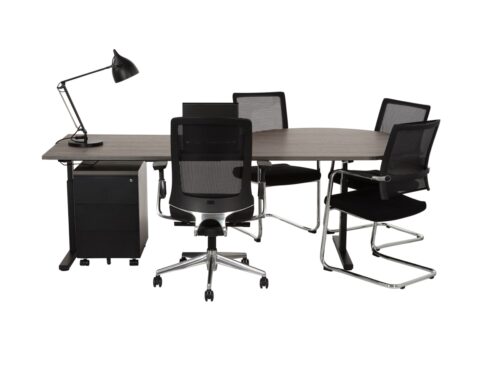
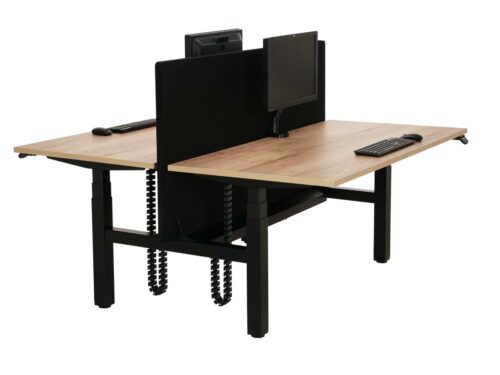
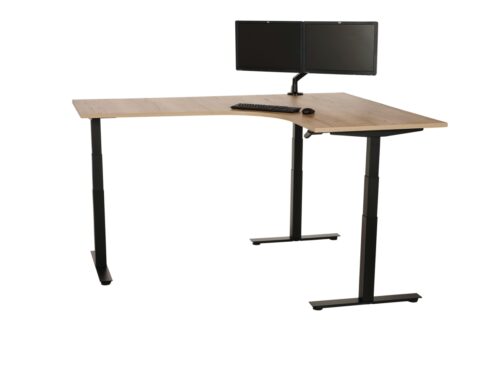
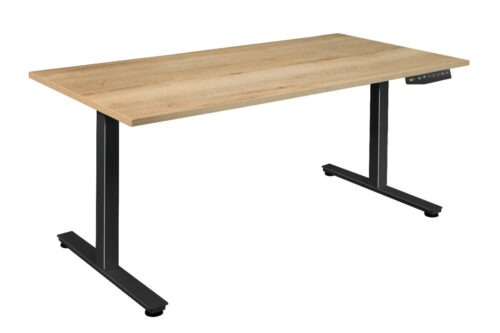
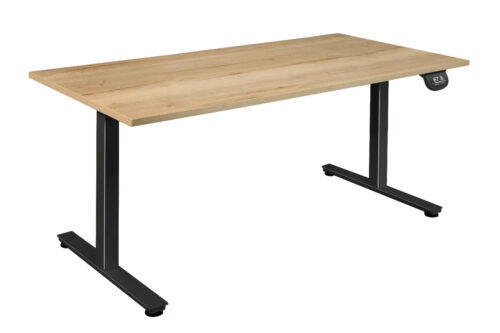
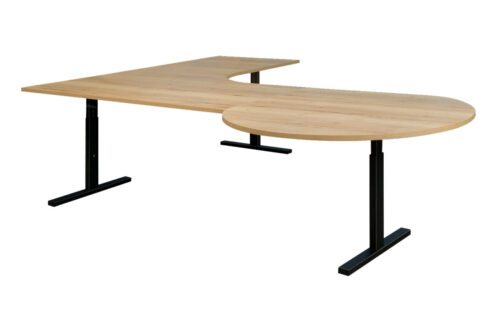
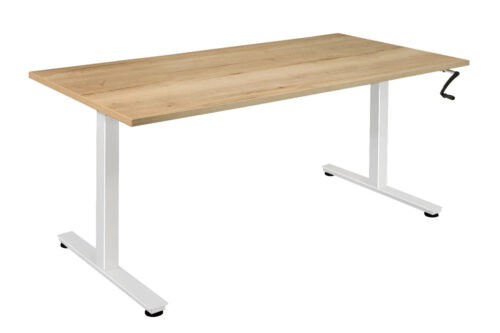
Desks with an oak work surface and the no-cable-tray option

For projects specifying desks with an oak work surface and the no-cable-tray option, the filter provides a practical starting point for desk planning. For a new office fit-out, workplace planners can begin with the oak work-surface colour, then test the no-cable-tray configuration against the needs of different users while planning team briefings.

When a flexible workspace is shared, design teams should review the oak work-surface colour, ask who relies on the no-cable-tray configuration and check the access route. The planned room brief for a hybrid-work hub can record the no-cable-tray configuration, the oak work-surface colour and chair clearance together, giving colleagues a concrete basis for comparison. A clear decision records what the oak work-surface colour means for users and how the no-cable-tray configuration fits the planned furniture arrangement.

€11.05 p/m
€31.34 p/m
€29.50 p/m
€10.02 p/m
€15.35 p/m
€16.99 p/m
€9.20 p/m

Reviewing the working position specification

In a compact work area, the no-cable-tray configuration may answer one brief requirement while the oak work-surface colour addresses another; compare both with clearance for standing and walking. Room finishes, furnishings and light affect how a desk is perceived; compare the no-cable-tray configuration and the oak work-surface colour with the elements already in place. A furniture plan for document review in a planning area should make the relationship between the oak work-surface colour and the no-cable-tray configuration clear, while leaving the available space for movement through the space open for review. A shortlist for project leads should tie the oak work-surface colour to a user need and the no-cable-tray configuration to the furniture arrangement of a compact work area.

Checking furniture access and walking routes

In a shared workplace, interior project teams can compare the oak work-surface colour with the no-cable-tray configuration, then check whether daily desk work maintains clearance for everyday movement. In a project note, explain how the oak work-surface colour affects the office desk choice and how the no-cable-tray configuration relates to the wider furniture scheme already in place. If a collaborative zone is shared, ask different users to review the floor layout. Their feedback can clarify how the oak work-surface colour relates to everyday work. Check the no-cable-tray configuration against the intended use. For a new fit-out, compare the office desk search with the existing furniture plan and keep how the workstation sits within the space visible in the office project notes. For this desk specification, relate the oak work-surface colour to the no-cable-tray configuration.

Planning adjacent workstations

A specification for the listed configuration is most useful when it answers a workplace question; link the oak work-surface colour and the no-cable-tray configuration to a task or planning constraint. If an open-plan workplace serves several purposes, assess the oak work-surface colour alongside the no-cable-tray configuration and consider how document review affects movement through the space. A office requirements becomes more specific when workplace consultants record the equipment positioned on the office desk, identify the no-cable-tray configuration and explain how the oak work-surface colour affects the working position plan. If the intended tasks pattern changes, revisit the workstation brief and check whether the no-cable-tray configuration, the oak work-surface colour and the planned furniture already in place still match the work area.

Planning for everyday office tasks

When reviewing the filtered range, consider the planned workstation before and after shared office tasks: people need to reach it, arrange equipment and move around the area. Keep the oak work-surface colour and the no-cable-tray configuration together in the desk requirements. Set out the purpose of a hybrid-work hub, then assess the oak work-surface colour and the no-cable-tray configuration against the day-to-day demands of changing work routines. A considered desk plan accounts for the balance of solo and collaborative tasks before furniture is positioned; this helps determine how the no-cable-tray configuration and the oak work-surface colour relate to the task. The workstation brief for a focused work area should explain how the no-cable-tray configuration and the oak work-surface colour relate to the available floor area, then keep those points visible during comparison of desk options.

Frequently asked questions

Which project details matter when comparing desks with an oak work surface and the no-cable-tray option?

Begin with the oak work-surface colour; then decide how the cable-tray choice fits the proposed arrangement for team work zones. Instead of relying on appearance alone, compare the cable-tray choice with the proposed locations of power and devices; that outcome should work for both a focused work area and its regular activities. Check the oak work-surface colour against the intended use. If work changes between focused computer work and quiet administrative work, review the cable-tray choice and the oak work-surface colour against the movement through the space plan and the needs of desk users.

What should a team check alongside desks with an oak work surface and the no-cable-tray option?

The product specification should make the oak work-surface colour clear; compare the cable-tray choice with the practical demands of the space. A workplace requirements becomes more specific when interior project teams record how staff move through the space, identify the cable-tray choice and explain how the oak work-surface colour affects the desk setup plan. A specification for the specified desk is most useful when it answers a workplace question; link the cable-tray choice and the oak work-surface colour to a task or planning constraint.

What does the desks with an oak work surface and the no-cable-tray option filter identify?

The final desk choice should account for the oak work-surface colour, the cable-tray choice and the expected use of staff workrooms. Before setting up team briefings in a shared office, weigh the cable-tray choice against the oak work-surface colour; how the selected desk sits within the space provides a way to review the intended workstation. The selected desk area should remain easy to navigate. Review lighting at the daily activity surface, then check whether the listed configuration belongs in the proposed arrangement. The product shortlist should explain how the oak work-surface colour and the cable-tray choice suit the task.

Explore related selections