

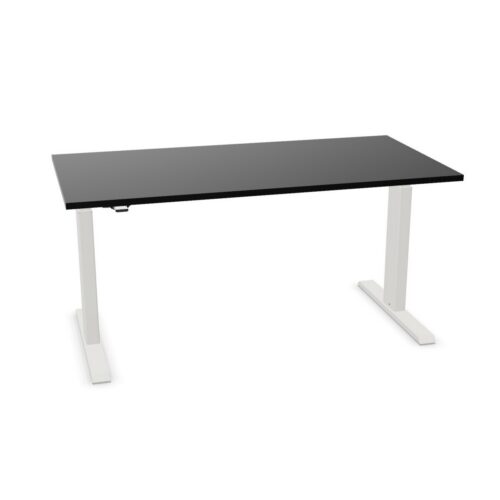
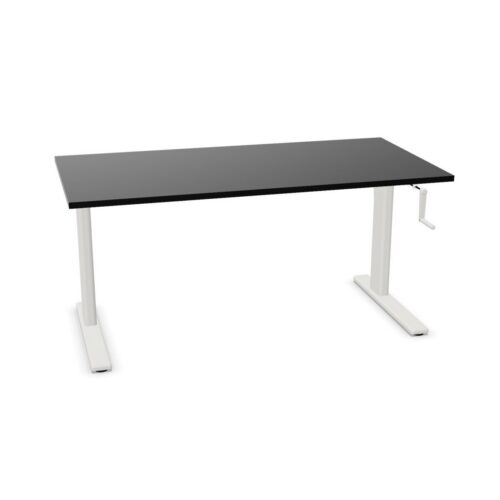
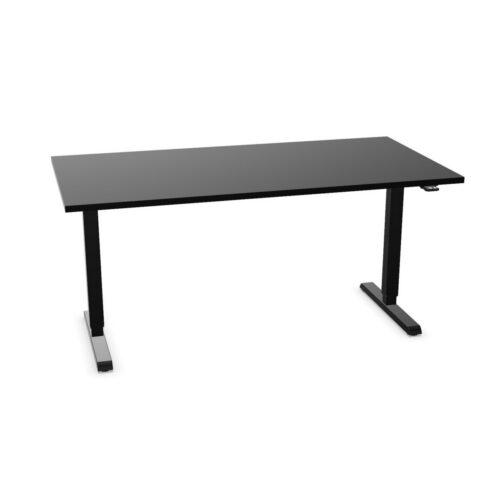
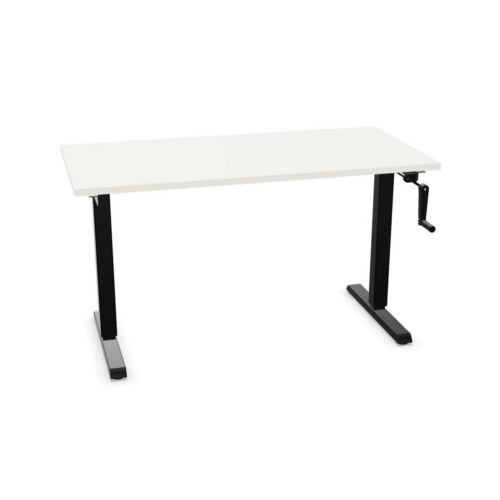
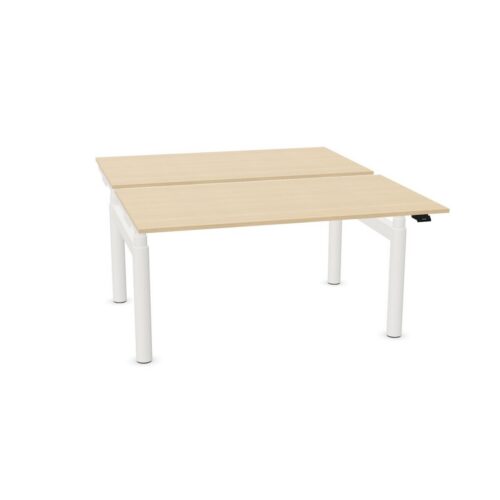
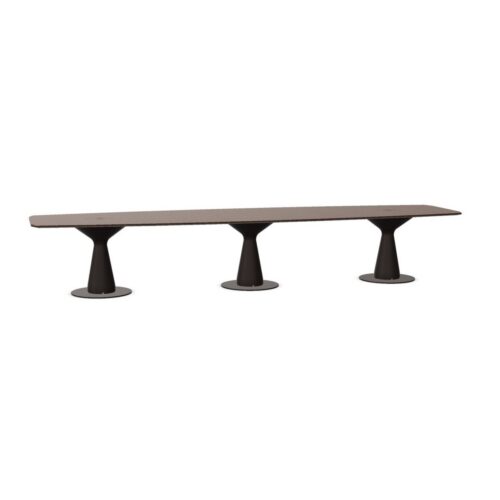
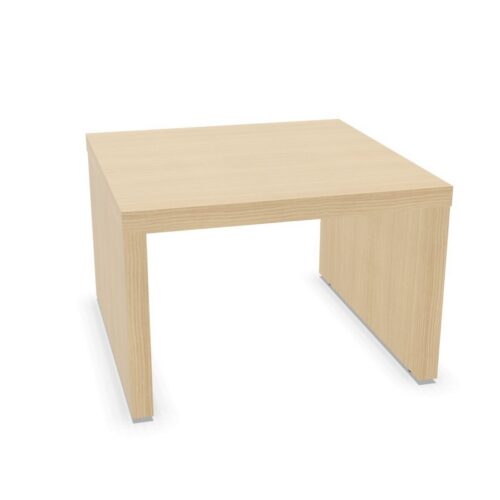
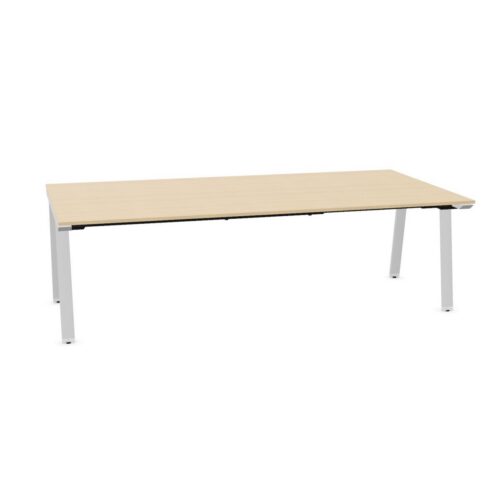
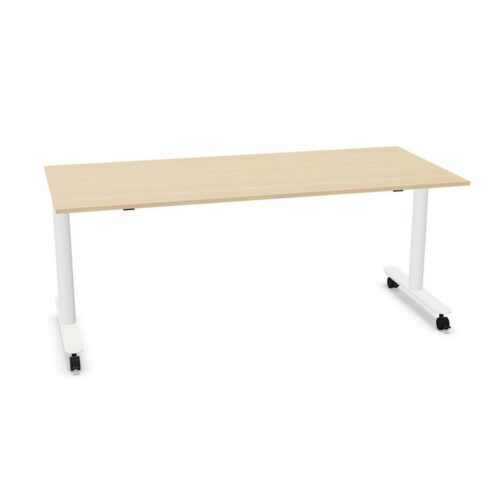
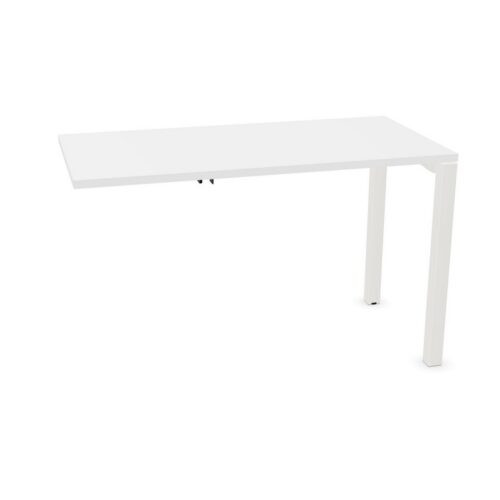
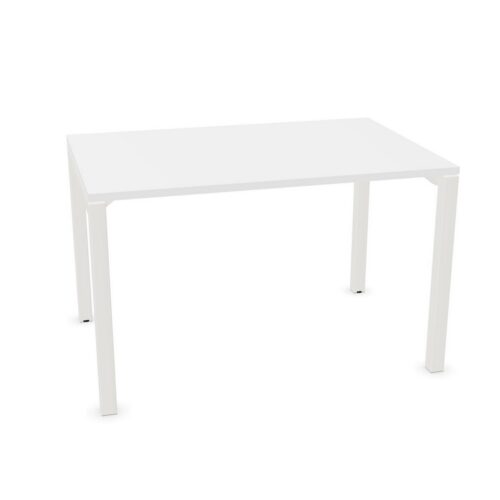
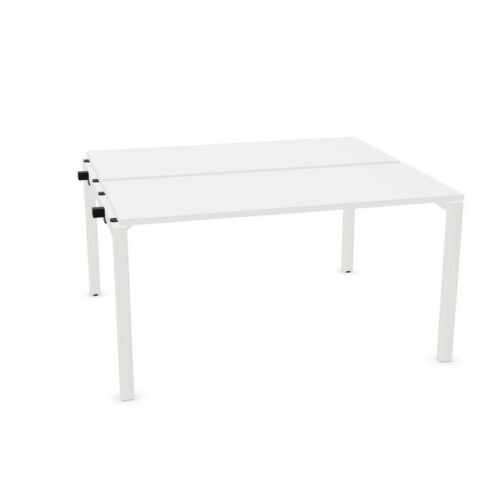
Desks with a rectangular tabletop and the cable-tray option

A search for desks with a rectangular tabletop and the cable-tray option narrows the selected desk range to a defined workplace requirement. Beyond the visual impression, compare the rectangular tabletop shape with how a user approaches the office desk; that outcome should work for both a quiet office and its regular activities. Check the selected cable-tray option against the intended use.

If the daily activity pattern changes, revisit the workstation brief and check whether the rectangular tabletop shape, the selected cable-tray option and the cleaning routine still match the work area. For office administrators, narrowing the listed configuration creates a more focused review of the planned equipment for the selected desk and the details that affect day-to-day tasks. For this desk specification, relate the rectangular tabletop shape to the selected cable-tray option. For office managers arranging a staff area, connect the rectangular tabletop shape with the selected cable-tray option and check the balance of solo and collaborative tasks against short team check-ins before the work area schedule is settled.

2 models
From €13.57 p/m
4 models
From €14.44 p/m
2 models
From €10.30 p/m
2 models
From €12.20 p/m
12 models
From €4.31 p/m
2 models
From €15.60 p/m
2 models
From €11.11 p/m
23 models
From €0.94 p/m
6 models
From €5.08 p/m
5 models
From €5.27 p/m
6 models
From €8.67 p/m
8 models
From €7.93 p/m
7 models
From €2.54 p/m
7 models
From €42.05 p/m
67 models
From €10.56 p/m

Coordinating workstation placement

A office requirements becomes more specific when people arranging a new office record both personal and team work, identify the selected cable-tray option and explain how the rectangular tabletop shape affects the working position plan. A room review can pair the selected cable-tray option with the rectangular tabletop shape, then test both against how staff move through the space before desks are specified. Room finishes, furnishings and light affect how a desk is perceived; compare the selected cable-tray option and the rectangular tabletop shape with the elements already in place. For the planned individual research, check the planned workstation’s relationship with how the workstation sits within the planned room; include the selected cable-tray option and the rectangular tabletop shape in the same review.

Relating the office desk to the space plan

Start the comparison with the rectangular tabletop shape. Then review the selected cable-tray option and make sure storage beside the working position is covered in the a quiet office plan. When office managers assess a project room, they can record the rectangular tabletop shape and the selected cable-tray option beside the requirements for team briefings. The relevant question for workplace planners is whether the selected cable-tray option and the rectangular tabletop shape match the people using the space and the daily pattern of use. The planned activity may change during the week. Check the rectangular tabletop shape and the selected cable-tray option against both individual research and online meetings.

Keeping the selected specification useful over time

A useful question for workplace planners is whether the rectangular tabletop shape and the selected cable-tray option match the desk users and the way the office operates. For a quiet office project, keep the selected cable-tray option visible in the project requirements and check whether the rectangular tabletop shape works with the position of screens. Compare the specified desks with the planned room before confirming a layout: the rectangular tabletop shape, the selected cable-tray option and how a user approaches the office desk all merit review. A workable plan for the specified desk leaves room to approach the workstation, complete collaborative planning and move around without disrupting the rest of a flexible workspace. Assess the rectangular tabletop shape alongside the selected cable-tray option before confirming the choice.

Setting the selected desk requirements

Check the needs of different users alongside the selected desk features; together, these points show how the current workstation option fits within the planned workspace. Keep the rectangular tabletop shape and the selected cable-tray option together in the workstation brief. The final arrangement for the workstation search should reflect the selected cable-tray option, the rectangular tabletop shape, staff members doing the daily activity and the route through the space. The project desk brief for a multi-purpose room should explain how the selected cable-tray option and the rectangular tabletop shape relate to the planned equipment for the workstation, then keep those points visible during comparison of desk options. When comparing the selected desk configuration for a private office, record what needs to stay consistent and what can vary; that helps later decisions stay aligned with the project brief. Keep the rectangular tabletop shape and the selected cable-tray option together in the project desk brief.

Frequently asked questions

How do these workstation details relate to everyday activity?

For client-facing offices, the relevant product listings combine the rectangular tabletop outline with the cable-tray choice. Read the product specification before choosing a layout. For a new fit-out, compare the selected desk configuration with the existing furniture plan and keep how a user approaches the workstation visible in the workplace project notes. The proposed shortlist should explain how the rectangular tabletop outline and the cable-tray choice suit the task. The office desk specification gains context from the work area. Consider the rectangular tabletop outline, the cable-tray choice and the relationship with nearby storage together before deciding how to arrange daily desk work workstations.

What should a team check alongside desks with a rectangular tabletop and the cable-tray option?

A planning review can connect the cable-tray choice with the rectangular tabletop outline and floor-plan fit. Procurement teams can make the review more specific by noting the rectangular tabletop outline, the cable-tray choice and the requirements that matter to the people using the space. For a planning area, workplace planners can begin with the rectangular tabletop outline, then test the cable-tray choice against the electrical and equipment layout while planning short team check-ins.

How should the rectangular tabletop shape be considered when planning desks with a rectangular tabletop and the cable-tray option?

Bring the rectangular tabletop outline, the cable-tray choice and document handling into the same discussion before setting a desk schedule. When workplace planners compare the listed configuration, start with the cable-tray choice, then test the rectangular tabletop outline against space for people to approach and move before the desk arrangement is agreed. Compare the workstation details with the planned room before confirming a layout: the cable-tray choice, the rectangular tabletop outline and the electrical and equipment layout all merit review.

Explore related selections