



Building a practical comparison
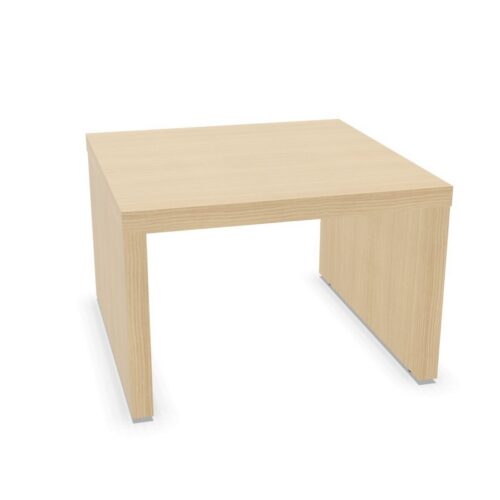
Because a staff area may be used for longer project sessions and client conversations, consider whether the square tabletop shape and the selected cable-tray option answer separate parts of the project brief. Before approving desks for a focused work area, compare the selected cable-tray option and the square tabletop shape with the planned furniture plan, the intended users and the expected pattern of daily desk work. A considered desk plan accounts for storage beside the planned workstation before furniture is positioned; this helps determine how the selected cable-tray option and the square tabletop shape relate to the task. With document review in mind, ask whether the square tabletop shape and the selected cable-tray option suit the intended users, then check that the workstation plan leaves a route through a multi-purpose room.
Preparing a clear desk schedule
Useful project notes explain why the selected desk configuration was shortlisted, who it serves and what the workplace team should confirm during room planning. Assess the square tabletop shape alongside the selected cable-tray option before confirming the choice. When use changes from changing work routines to online meetings, revisit the workstation brief and check whether the square tabletop shape, the selected cable-tray option and the surrounding furniture already in place still match the space. The office desk specification gains context from the work area. Consider the square tabletop shape, the selected cable-tray option and the space’s visual balance together before deciding how to arrange collaborative planning workstations. When procurement leads assess a multi-purpose room, they can record the square tabletop shape and the selected cable-tray option beside the requirements for document review.
Reviewing the fit-out requirements
The most useful question is whether the filtered range fits the workday, from setting up the office desk to moving around the surrounding area. The proposed shortlist should explain how the square tabletop shape and the selected cable-tray option suit the task. Before arranging a compact work area, identify the main work tasks and compare the current workstation option with the way people move between desks and shared areas. The product shortlist should explain how the square tabletop shape and the selected cable-tray option suit the task. A useful comparison begins with the route between work areas; from there, assess how the selected cable-tray option and the square tabletop shape fit the intended users of a focused work area. If a new office fit-out serves several purposes, assess the selected cable-tray option alongside the square tabletop shape and consider how document review affects movement through the space.
