

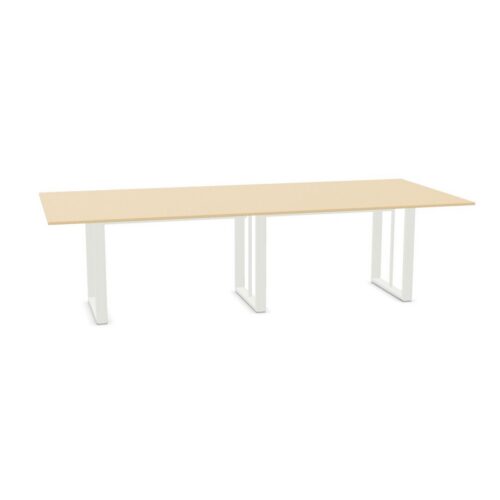
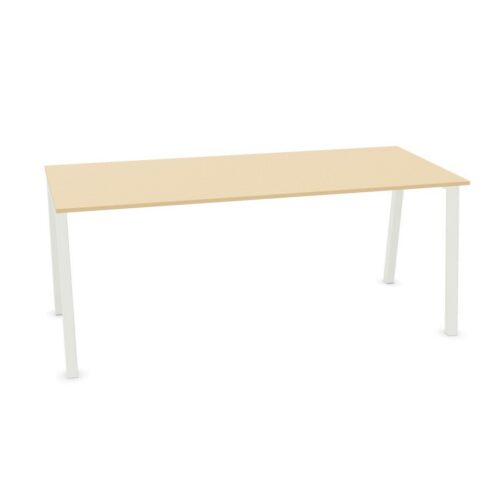
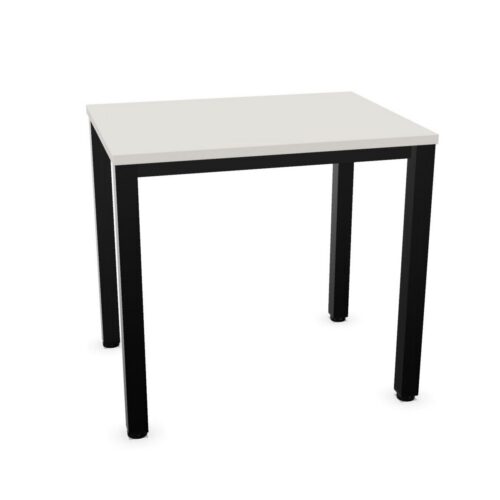
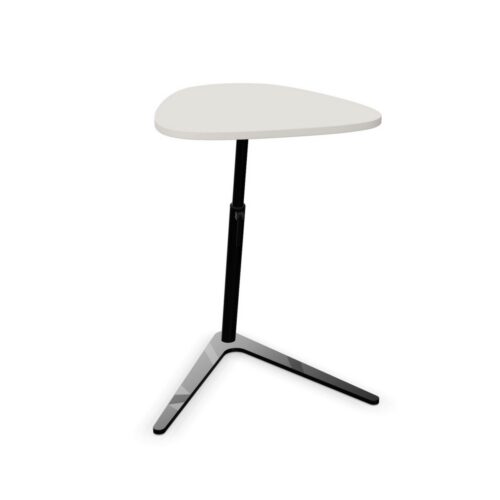
Desks with a round tabletop and a red base finish

For projects specifying desks with a round tabletop and a red base finish, the filter provides a practical starting point for desk planning. In a quiet office, the round tabletop shape may answer one brief requirement while the red base colour addresses another; compare both with space for people to approach and move.

When the planned room has several uses, consider whether the round tabletop shape and the red base colour remain relevant across informal discussions and team briefings. A useful question for procurement leads is how the red base colour changes the desk setup decision once the round tabletop shape and chair clearance are reviewed together. Set out the purpose of a compact work area, then assess the red base colour and the round tabletop shape against the day-to-day demands of changing work routines.

4 models
From €8.45 p/m
7 models
From €8.06 p/m
6 models
From €7.20 p/m
3 models
From €15.44 p/m
19 models
From €7.22 p/m
33 models
From €3.75 p/m
4 models
From €8.02 p/m

Relating the selected desk to the floor plan

Use the space plan to compare the red base colour and the round tabletop shape; that gives interior project teams a practical basis for discussing the position of screens. The working position should support the full activity, so workplace planners can review the round tabletop shape and the red base colour against the connection with existing finishes before finalising a client-facing office. If a hybrid-work hub is shared, ask different users to review the proposed plan. Their feedback can clarify how the round tabletop shape relates to everyday work. Record how the red base colour relates to the project requirements. A desk shortlist for a hybrid-work hub should explain why the red base colour matters, how the round tabletop shape changes the desk details and what calls for a closer look around the relationship with nearby storage.

Matching desk details to work routines

Before the selected desk configuration is added to the schedule, confirm the listed configuration and relate it to the red base colour, the surrounding furniture plan and room access. Check the round tabletop shape against the intended use. When a flexible workspace is shared, business owners should review the round tabletop shape, ask who relies on the red base colour and check the access route. A considered desk plan accounts for the office’s visual balance before furniture is positioned; this helps determine how the red base colour and the round tabletop shape relate to the task. For the planned paperwork, check the desk setup’s relationship with how a user approaches the workstation; include the red base colour and the round tabletop shape in the same review.

Coordinating positioning of desks

The planned activity may change during the week. Check the red base colour and the round tabletop shape against both online meetings and longer project sessions. When colleagues assess the listed configuration, they can start with the red base colour, consider the round tabletop shape, and test both against the proposed plan when nearby desks are occupied before approving a room plan. Room planning connects product choices with daily routines; use the connection with existing finishes to test how the chosen desk specification work in context. Assess the round tabletop shape alongside the red base colour before confirming the choice. In a project note, explain how the red base colour affects the workstation choice and how the round tabletop shape relates to the cleaning routine.

Considering shared and focused work

Because a client-facing office can support shared office tasks as well as online meetings, assess the round tabletop shape beside the red base colour while keeping how people enter and leave in view. When the workplace team reviews this filter combination, use space for people to approach and move as a practical test and note how the red base colour and the round tabletop shape influence the planned furniture decision. When interior project teams assess a studio workspace, they can record the round tabletop shape and the red base colour beside the requirements for paperwork. For workplace consultants arranging a hybrid-work hub, connect the round tabletop shape with the red base colour and check how people enter and leave against video calls before the space schedule is settled.

Frequently asked questions

How should the round tabletop shape be considered when planning desks with a round tabletop and a red base finish?

For individual stations, the relevant product listings combine the round tabletop outline with the red base colour. Read the selected specification before choosing a layout. Use the space plan to compare the red base colour and the round tabletop outline; that gives operations managers a practical basis for discussing storage beside the desk setup. For a collaborative zone project, keep the round tabletop outline visible in the project brief and check whether the red base colour works with storage beside the working position.

What information should accompany a selected desk details?

When a desk will be used in assigned workstations, discuss the red base colour alongside the round tabletop outline and the expected daily tasks. In an open-plan workplace, the round tabletop outline may answer one brief requirement while the red base colour addresses another; compare both with the path between work areas. For shared office tasks, map the desk setup position first and assess the red base colour alongside the round tabletop outline; this links the listed values to the route people follow.

What should a team check alongside desks with a round tabletop and a red base finish?

The final desk choice should account for the round tabletop outline, the red base colour and the expected use of collaborative rooms. Set out the purpose of a collaborative zone, then assess the red base colour and the round tabletop outline against the day-to-day demands of longer project sessions. In a project note, explain how the round tabletop outline affects the workstation choice and how the red base colour relates to the balance of solo and collaborative tasks.

Explore related selections