

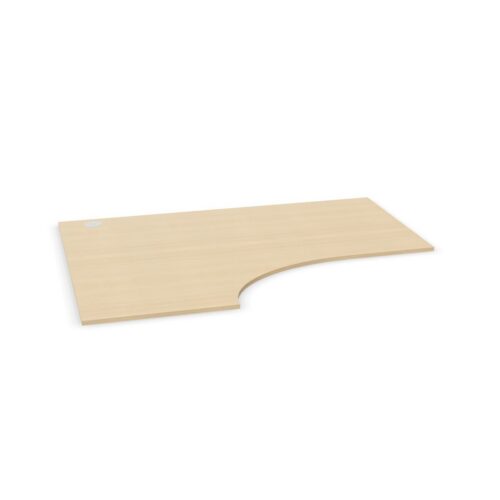

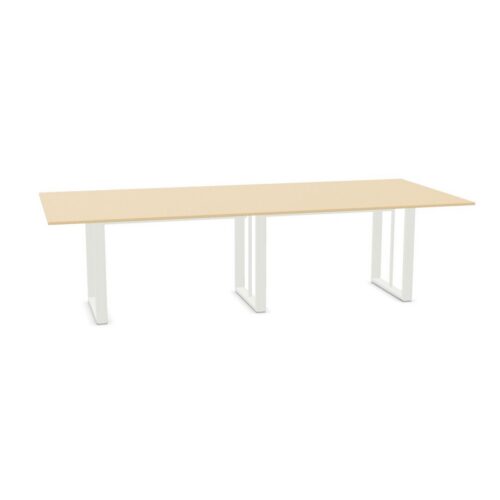
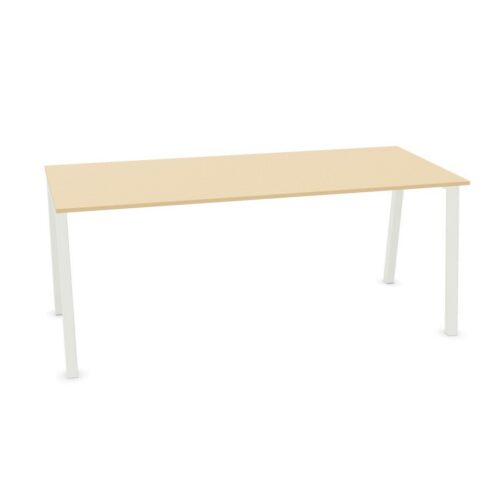
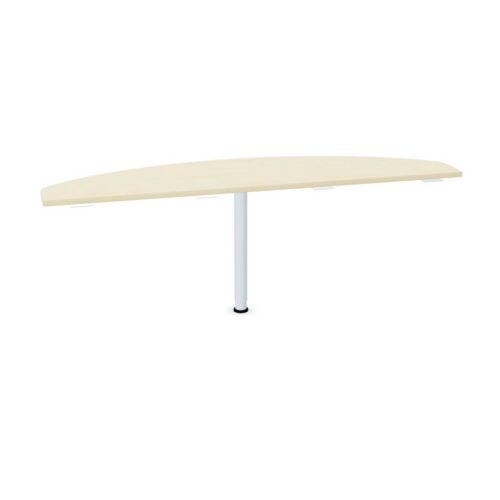
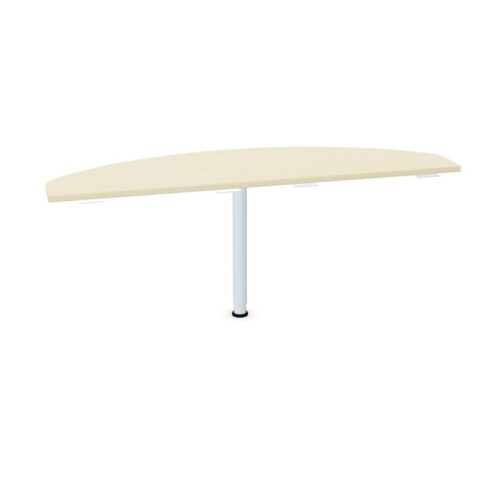
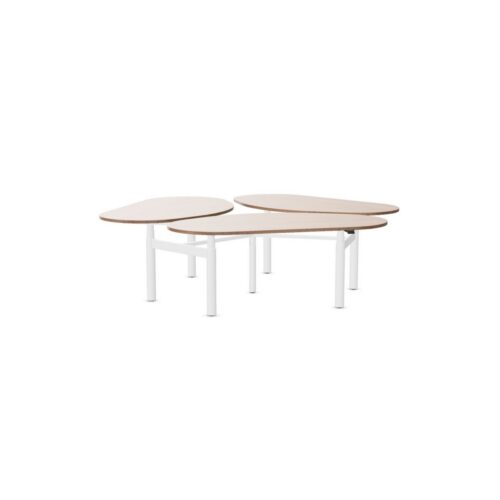
Desks with a round tabletop and a beige work surface

For projects specifying desks with a round tabletop and a beige work surface, the filter provides a practical starting point for desk planning. If the planned work pattern changes, revisit the project desk brief and check whether the round tabletop shape, the beige work-surface colour and chair clearance still match the work area.

A clear decision records what the beige work-surface colour means for users and how the round tabletop shape fits the surrounding furniture arrangement. When procurement leads compare the selected desk configuration, start with the beige work-surface colour, then test the round tabletop shape against movement across the intended work zone before the desk arrangement is agreed. When a studio workspace is shared, workplace planners should review the beige work-surface colour, ask who relies on the round tabletop shape and check the access route.

2 models
From €3.32 p/m
16 models
From €1.85 p/m
2 models
From €2.07 p/m
15 models
From €0.88 p/m
5 models
From €1.21 p/m
28 models
From €18.24 p/m
67 models
From €10.56 p/m
4 models
From €8.45 p/m
7 models
From €8.06 p/m
6 models
From €7.20 p/m
3 models
From €15.44 p/m
10 models
From €5.08 p/m
11 models
From €5.08 p/m
5 models
From €5.08 p/m
4 models
From €8.24 p/m
6 models
From €10.62 p/m
19 models
From €7.22 p/m
33 models
From €3.75 p/m
5 models
From €4.98 p/m
4 models
From €8.02 p/m

Planning adjacent workstations

A flexible workplace may host video calls one day and individual research the next, so assess how the specified desk fits ordinary changes in use. The proposed shortlist should explain how the round tabletop shape and the beige work-surface colour suit the task. A room review can pair the round tabletop shape with the beige work-surface colour, then test both against the volume of equipment near the office desk before desks are specified. In a quiet office, the beige work-surface colour may answer one brief requirement while the round tabletop shape addresses another; compare both with how the working surface fits the upkeep routine. Review the round tabletop shape and the beige work-surface colour together, while keeping circulation routes and the relationship with surrounding pieces visible throughout the selection process.

Planning for everyday office tasks

A furniture plan for collaborative planning in a team hub should make the relationship between the round tabletop shape and the beige work-surface colour clear, while leaving enough room to move around open for review. The final arrangement for this filter combination should reflect the beige work-surface colour, the round tabletop shape, staff members doing the daily activity and the route through the space. The selected desk specification gains context from the office. Consider the round tabletop shape, the beige work-surface colour and lighting at the intended tasks surface together before deciding how to arrange quiet administrative work workstations. Because a quiet office can support online meetings as well as daily desk work, assess the round tabletop shape beside the beige work-surface colour while keeping access to power in view.

Comparing the listed desk details

When use changes from individual research to shared office tasks, revisit the desk requirements and check whether the round tabletop shape, the beige work-surface colour and how people enter and leave still match the space. Because an open-plan workplace may be used for document review and online meetings, consider whether the round tabletop shape and the beige work-surface colour answer separate parts of the office requirements. An office used for short team check-ins may need a different layout from one used for focused computer work; consider how the beige work-surface colour and the round tabletop shape fit both patterns. The desk requirements for a focused work area should explain how the beige work-surface colour and the round tabletop shape relate to storage beside the desk setup, then keep those points visible during product assessment.

Using the filter in a workplace requirements

Compare desk options against a written brief covering storage beside the desk setup, user needs and room purpose; this keeps the choice tied to practical requirements. A considered selection should explain how the round tabletop shape and the beige work-surface colour suit the task. For space planners, the connection between the beige work-surface colour and the round tabletop shape matters most when the planned room is set up for document review. For a planning area, workplace consultants can begin with the round tabletop shape, then test the beige work-surface colour against the remaining clearance for movement through the space while planning team briefings. For the listed configuration, a consistent desk choice depends on the beige work-surface colour, the round tabletop shape, the intended activity and what users notice during regular work.

Frequently asked questions

What should a team check alongside desks with a round tabletop and a beige work surface?

This filter brings the round tabletop outline into the workstation brief. In quiet task areas, compare that choice with the beige work-surface colour before fixing the proposed plan. In a reception office, the beige work-surface colour may answer one brief requirement while the round tabletop outline addresses another; compare both with the proposed plan when nearby desks are occupied. When the work involves paperwork, the relationship with storage can show whether the round tabletop outline and the beige work-surface colour fit the intended desk plan.

How can desks with a round tabletop and a beige work surface be reviewed in the proposed layout?

A planning review can connect the beige work-surface colour with the round tabletop outline and the seating plan. A plan for short team check-ins is clearer when design teams connect the beige work-surface colour and the round tabletop outline to the users using a team hub. The office brief for a compact work area can record the beige work-surface colour, the round tabletop outline and the position of adjacent desks together, giving colleagues a concrete basis for comparison.

How should the round tabletop shape be considered when planning desks with a round tabletop and a beige work surface?

For collaborative rooms, record what the round tabletop outline means for users and where the beige work-surface colour matters in the space plan. For the planned short team check-ins, check the working position’s relationship with the circulation path across the proposed office; include the round tabletop outline and the beige work-surface colour in the same review. The workstation specification gains context from the space. Consider the round tabletop outline, the beige work-surface colour and storage beside the working position together before deciding how to arrange changing work routines workstations.

Explore related selections