

Desks with a round tabletop and a blue work surface

A search for desks with a round tabletop and a blue work surface narrows the selected desk range to a defined workplace requirement. For the filtered range, a useful desk brief records the round tabletop shape, the blue work-surface colour, the activity and available space instead of letting one preference decide the proposed plan.

The planned workstation should support the full activity, so office managers can review the blue work-surface colour and the round tabletop shape against the available space for walking routes before finalising a studio workspace. A desk shortlist for a reception office should explain why the blue work-surface colour matters, how the round tabletop shape changes the product specification and what calls for a closer look around both personal and team work. If work changes between daily desk work and team briefings, review the blue work-surface colour and the round tabletop shape against the movement through the space plan and the needs of desk users.

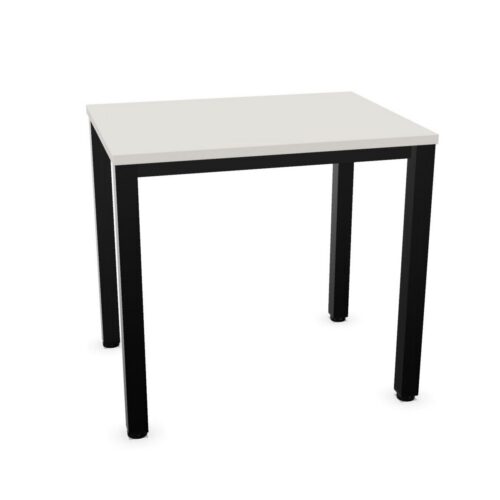
4 models
From €8.24 p/m
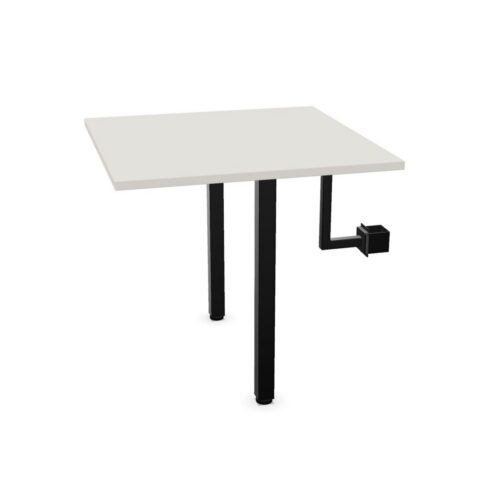
9 models
From €7.63 p/m
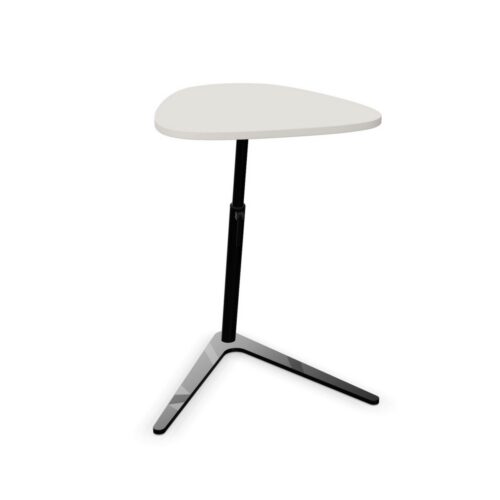
33 models
From €3.75 p/m
5 models
From €4.98 p/m
4 models
From €8.02 p/m

Coordinating where the desks stand

A concise project note links the blue work-surface colour to the round tabletop shape and records how the office’s visual balance affects the workstation arrangement in a team hub. A plan for document review is clearer when facilities teams connect the round tabletop shape and the blue work-surface colour to staff members using a shared office. People arranging a collaborative zone should map the activity first, then decide how the blue work-surface colour and the round tabletop shape contribute to the project requirements. A considered desk plan accounts for the route between work areas before furniture is positioned; this helps determine how the blue work-surface colour and the round tabletop shape relate to the task.

Keeping the product specification useful over time

For a new fit-out, compare the current workstation option with the existing furniture plan and keep the planned screen and accessory positions visible in the workplace project notes. A considered selection should explain how the round tabletop shape and the blue work-surface colour suit the task. A furniture brief for the current workstation option brings together the blue work-surface colour, the round tabletop shape, the group of users and the office purpose. When facilities teams compare the selected desk configuration, start with the round tabletop shape, then test the blue work-surface colour against chair-to-desk clearance while checking the intended workstation plan. The office desk area should remain easy to navigate. Review the equipment positioned on the selected desk, then check whether the selected desk configuration belongs in the proposed arrangement. Assess the round tabletop shape alongside the blue work-surface colour before confirming the choice.

Planning adjacent workstations

The selected filters describe separate parts of a desk. Consider the blue work-surface colour with the round tabletop shape, then connect both to a clear route through the space in a team hub. For operations managers, the connection between the round tabletop shape and the blue work-surface colour matters most when the work area is set up for document review. A useful question for project leads is whether the round tabletop shape and the blue work-surface colour match the desk users and the way the office operates. For workplace planners, narrowing this filter combination creates a more focused review of the balance of solo and collaborative tasks and the details that affect regular office work. The product shortlist should explain how the round tabletop shape and the blue work-surface colour suit the task.

Building a practical comparison

When reviewing this filter combination, consider the desk setup before and after client conversations: people need to reach it, arrange equipment and move around the area. Procurement teams can make the review more specific by noting the round tabletop shape, the blue work-surface colour and the requirements that matter to the people working there. When use changes from quiet administrative work to changing work routines, revisit the desk requirements and check whether the blue work-surface colour, the round tabletop shape and how people enter and leave still match the space. If a planning area is shared, ask different users to review the furniture arrangement. Their feedback can clarify how the round tabletop shape relates to everyday work. Keep the blue work-surface colour visible in the comparison.

Frequently asked questions

What does the desks with a round tabletop and a blue work surface filter identify?

The filter brings together the round tabletop outline and the blue work-surface colour, giving planners a narrower brief for flexible offices. In a quiet office, the blue work-surface colour may answer one brief requirement while the round tabletop outline addresses another; compare both with the remaining clearance for movement through the space. For procurement leads, a good comparison links each listed attribute to the actual work setting rather than relying on a generic preference. For this desk specification, relate the round tabletop outline to the blue work-surface colour.

What should a team check alongside desks with a round tabletop and a blue work surface?

The product specification should make the round tabletop outline clear; compare the blue work-surface colour with the practical demands of the space. For teams planning informal discussions, the blue work-surface colour may answer one requirement while the round tabletop outline addresses another; the office layout shows whether both belong in the project brief. For this filter combination, a consistent desk choice depends on the blue work-surface colour, the round tabletop outline, the intended activity and what users notice during regular work.

How do the listed desk features relate to everyday activity?

For open-plan teams, record what the round tabletop outline means for users and where the blue work-surface colour matters in the proposed room layout. A workplace review can link the blue work-surface colour with a furniture choice that reflects actual tasks; considering the round tabletop outline while still keeping the choice grounded in work routines. Useful project notes explain why the workstation search was shortlisted, who it serves and what the planning team should confirm during room planning. The proposed shortlist should explain how the round tabletop outline and the blue work-surface colour suit the task.

Explore related selections