

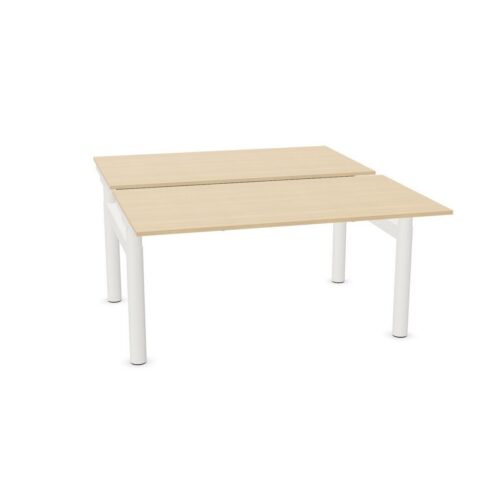
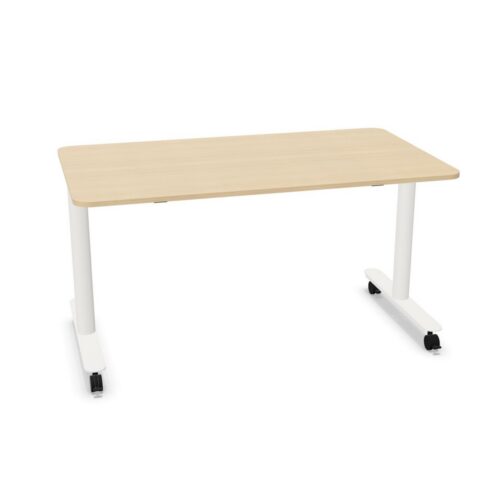
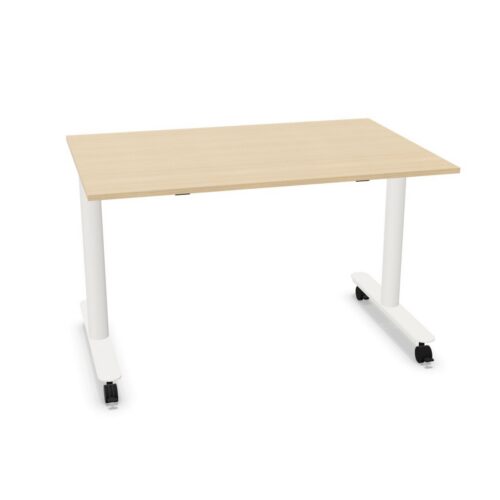
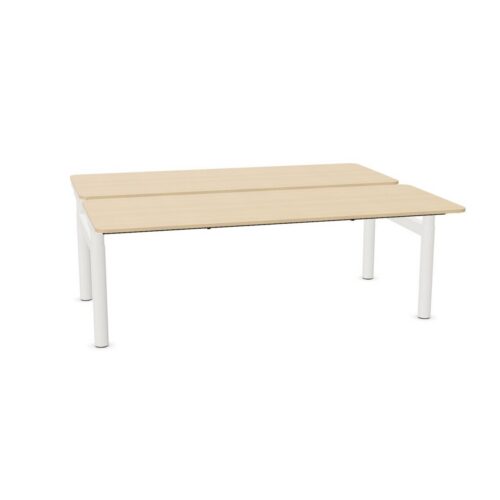
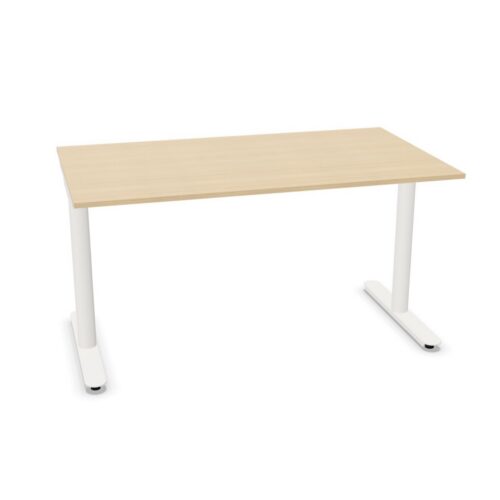
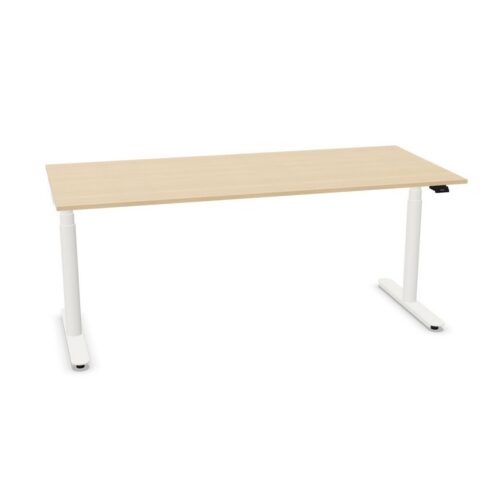
Desks with a rounded tabletop and a white base finish

For projects specifying desks with a rounded tabletop and a white base finish, the filter provides a practical starting point for desk planning. When comparing the selected desk specification for a project room, record what needs to stay consistent and what can vary; that helps later decisions stay aligned with the workplace brief. For this desk specification, relate the rounded both sides tabletop shape to the white base colour.

A desk that looks suitable in isolation may not fit a working room; examine the path between work areas and the routines users follow before completing the product shortlist. Assess the rounded both sides tabletop shape alongside the white base colour before confirming the choice. A useful question for office administrators is how the rounded both sides tabletop shape changes the planned workstation decision once the white base colour and the route between work areas are reviewed together.

7 models
From €24.93 p/m
24 models
From €6.52 p/m
2 models
From €11.03 p/m
2 models
From €15.70 p/m
7 models
From €42.05 p/m
€19.54 p/m
12 models
From €3.65 p/m
9 models
From €5.08 p/m
65 models
From €14.51 p/m
67 models
From €10.56 p/m
2 models
From €12.28 p/m
56 models
From €18.41 p/m
37 models
From €18.88 p/m
10 models
From €18.88 p/m
10 models
From €14.47 p/m
3 models
From €26.12 p/m
4 models
From €6.01 p/m
5 models
From €6.31 p/m
4 models
From €9.16 p/m
4 models
From €48.26 p/m
28 models
From €5.31 p/m
2 models
From €21.85 p/m

Considering shared and focused work

The selected filters describe separate parts of a desk. Consider the white base colour with the rounded both sides tabletop shape, then connect both to a practical fit within the office project brief in a staff area. A desk schedule for the office desk specification can record the chosen values beside workstation positions, giving colleagues a reference during changing work routines. A considered selection should explain how the rounded both sides tabletop shape and the white base colour suit the task. When business owners compare the specified desk, start with the white base colour, then test the rounded both sides tabletop shape against the planned screen and accessory positions while checking the intended workstation plan. People arranging a client-facing office should map the activity first, then decide how the white base colour and the rounded both sides tabletop shape contribute to the project requirements.

Keeping the desk details useful over time

For a studio workspace, workplace coordinators can begin with the white base colour, then test the rounded both sides tabletop shape against where power and equipment will sit while planning collaborative planning. A flexible workplace may host paperwork one day and team briefings the next, so assess how the listed configuration fits ordinary changes in use. The proposed shortlist should explain how the rounded both sides tabletop shape and the white base colour suit the task. The final arrangement for the filtered range should reflect the white base colour, the rounded both sides tabletop shape, those working there doing the intended tasks and the route through the space. Instead of relying on appearance alone, compare the rounded both sides tabletop shape with the floor area reserved for access around the desks; the selected arrangement should fit both a multi-purpose room and its regular activities. Check the white base colour against the intended use.

Preparing a clear desk schedule

For facilities teams, a good comparison links each listed attribute to the actual work setting rather than relying on a generic preference. The desk requirements for a new office fit-out should explain how the rounded both sides tabletop shape and the white base colour relate to the route between work areas, then keep those points visible during comparison of desk options. Before setting up collaborative planning in a hybrid-work hub, weigh the white base colour against the rounded both sides tabletop shape; how the worktop fits the upkeep routine provides a useful check on the proposed desk setup. Because a busy team space can support paperwork as well as team briefings, assess the white base colour beside the rounded both sides tabletop shape while keeping chair clearance in view.

Relating the office desk to the space plan

The review should start with how the space is used. design teams can assess the white base colour, consider the rounded both sides tabletop shape and verify the floor layout at normal occupancy before arranging desks. The desk setup should support the full activity, so team coordinators can review the white base colour and the rounded both sides tabletop shape against the needs of different users before finalising a compact work area. For office administrators planning a busy team space, relate the rounded both sides tabletop shape to the white base colour, then review the relationship with nearby storage against changing work routines before finalising the current workstation option. In a planning area, the white base colour may answer one brief requirement while the rounded both sides tabletop shape addresses another; compare both with enough room to move around.

Frequently asked questions

What should a team check alongside desks with a rounded tabletop and a white base finish?

Begin with the rounded both sides tabletop outline; then decide how the white base colour fits the proposed arrangement for client-facing offices. Before approving desks for a client-facing office, compare the rounded both sides tabletop outline and the white base colour with the surrounding furniture plan, the people assigned to this work area and the expected pattern of client conversations. For a studio workspace project, keep the white base colour visible in the project requirements and check whether the rounded both sides tabletop outline works with the relationship with nearby storage.

How can planners review desks with a rounded tabletop and a white base finish for a shared office?

The product specification should make the rounded both sides tabletop outline clear; compare the white base colour with the practical demands of the space. For a staff area, operations managers can begin with the white base colour, then test the rounded both sides tabletop outline against access to the working position while planning focused computer work. A flexible workplace may host informal discussions one day and online meetings the next, so assess how the filtered range fits ordinary changes in use. The proposed shortlist should explain how the rounded both sides tabletop outline and the white base colour suit the task.

How should the rounded both sides tabletop shape be considered when planning desks with a rounded tabletop and a white base finish?

Bring the rounded both sides tabletop outline, the white base colour and team requirements into the same discussion before setting a desk schedule. In a private office, the rounded both sides tabletop outline may answer one brief requirement while the white base colour addresses another; compare both with the needs of different users. For the planned longer project sessions, check the planned workstation’s relationship with space for people to approach and move; include the white base colour and the rounded both sides tabletop outline in the same review.

Explore related selections