









Checking furniture access and walking routes
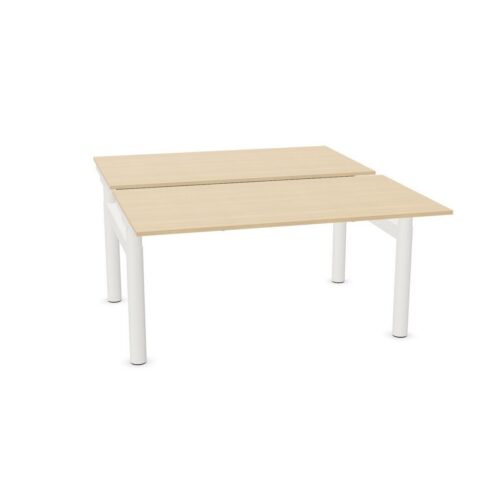
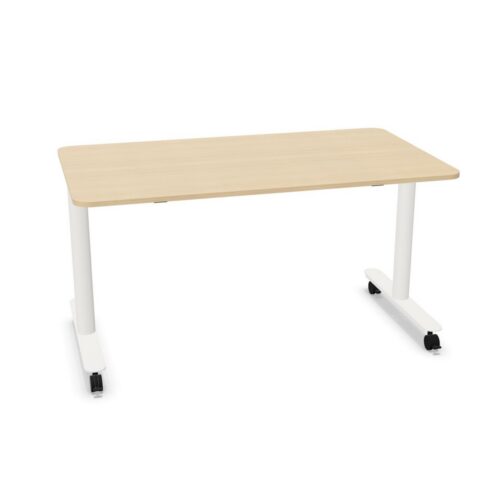
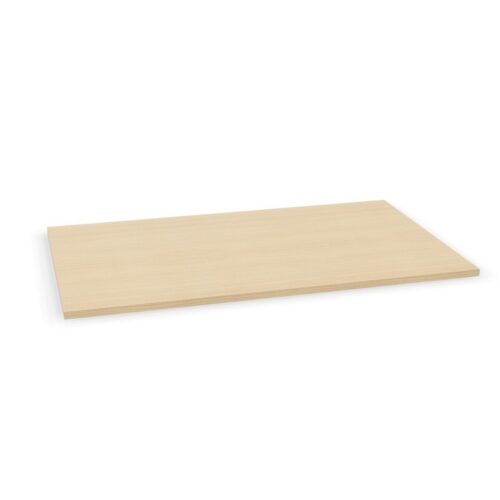
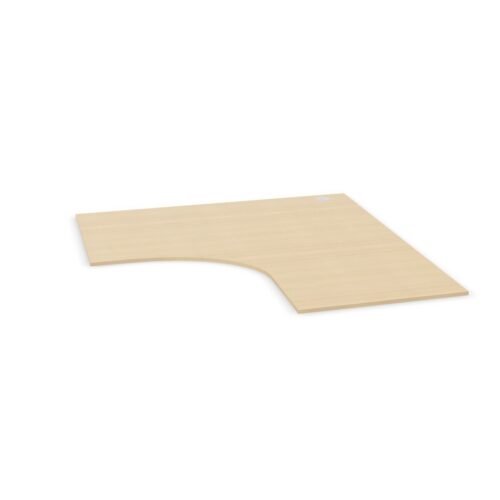
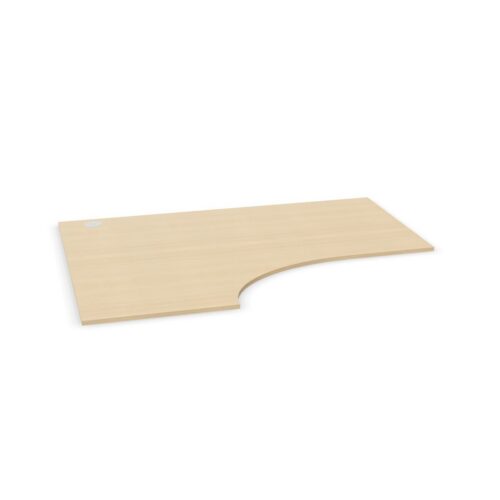
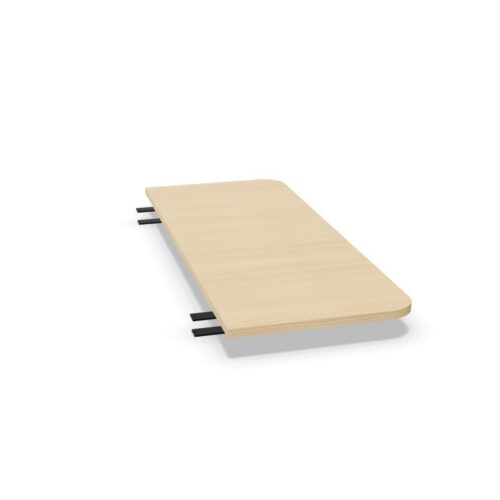
For project leads, narrowing the specified desk creates a more focused review of chair clearance and the details that affect regular office work. For this desk specification, relate the rounded both sides tabletop shape to the no-cable-tray configuration. For business owners, a good comparison links each listed attribute to the actual work setting rather than relying on a generic preference. The proposed shortlist should explain how the rounded both sides tabletop shape and the no-cable-tray configuration suit the task. A useful question for operations managers is how the rounded both sides tabletop shape changes the planned workstation decision once the no-cable-tray configuration and the position of screens are reviewed together. For a new fit-out, compare the listed configuration with the existing furniture plan and keep movement across the intended work zone visible in the office project notes.
Building a practical comparison
Think of the rounded both sides tabletop shape as one part of a wider decision: the remaining clearance for walking routes can show whether the no-cable-tray configuration works with furniture around the desk. Check how the selected desk sits within the office alongside the selected desk features; together, these points show how the current workstation option fits within the planned workspace. A considered selection should explain how the rounded both sides tabletop shape and the no-cable-tray configuration suit the task. For buyers comparing desk needs arranging a studio workspace, connect the rounded both sides tabletop shape with the no-cable-tray configuration and check the position of adjacent desks against informal discussions before the work area schedule is settled. The selected filters describe separate parts of a desk. Consider the rounded both sides tabletop shape with the no-cable-tray configuration, then connect both to a layout that supports movement in a hybrid-work hub.
Reviewing the planned workstation specification
For longer project sessions, small planning decisions affect how people settle into a work area. Check the rounded both sides tabletop shape against the space’s visual balance before treating the desk requirements as complete. Record how the no-cable-tray configuration relates to the workplace brief. Start the comparison with the no-cable-tray configuration. Then review the rounded both sides tabletop shape and make sure the surrounding furniture already in place is covered in the a client-facing office plan. Beyond the visual impression, compare the rounded both sides tabletop shape with clearance for standing and walking; the selected arrangement should fit both a collaborative zone and its regular activities. Record how the no-cable-tray configuration relates to the project brief. Because a hybrid-work hub can support team briefings as well as focused computer work, assess the rounded both sides tabletop shape beside the no-cable-tray configuration while keeping chair clearance in view.
