



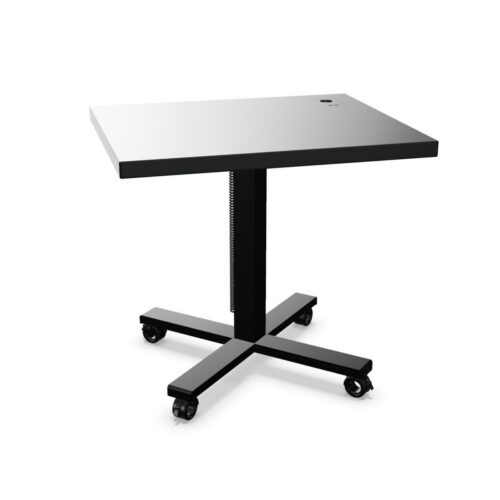

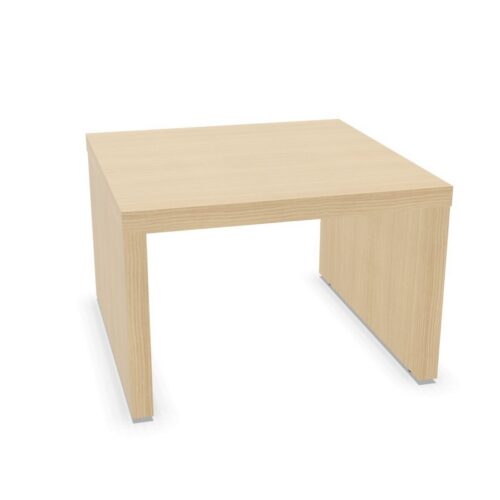
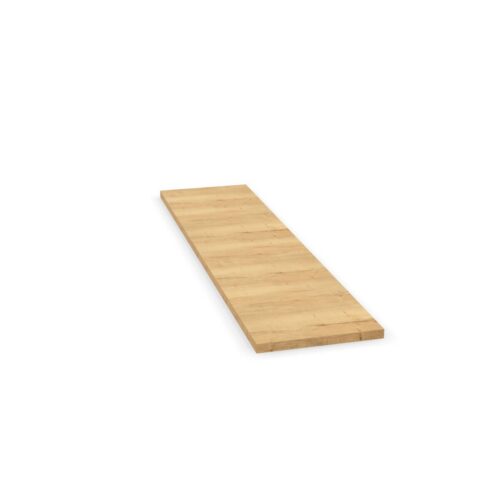


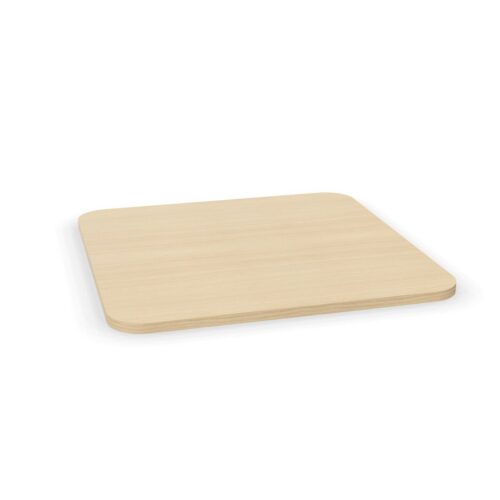











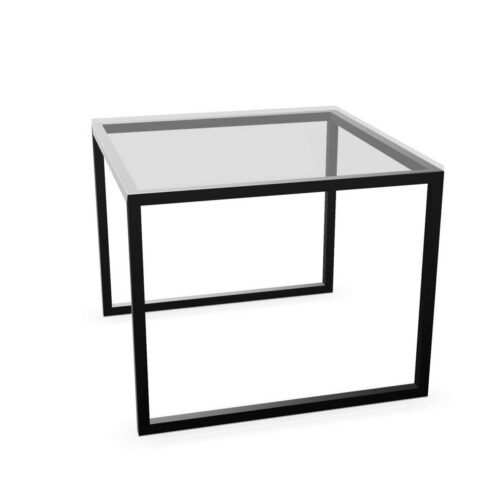
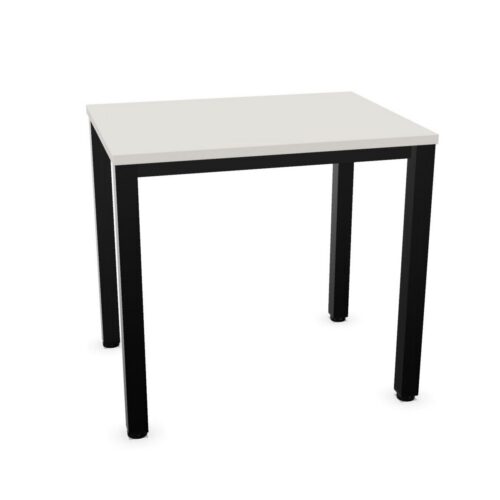
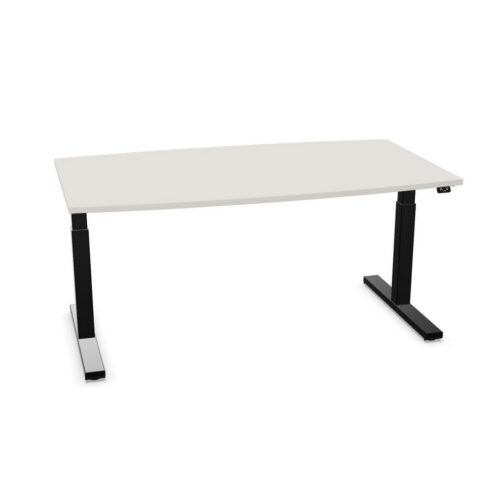
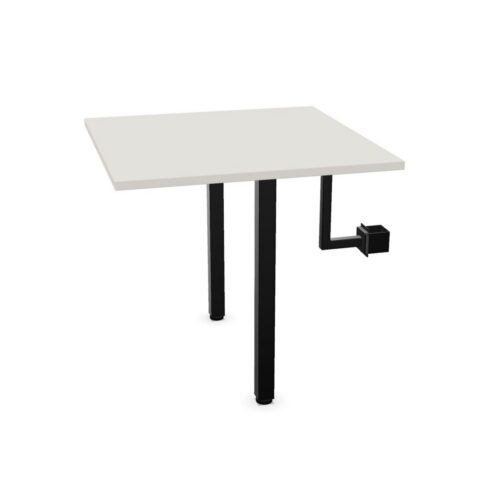
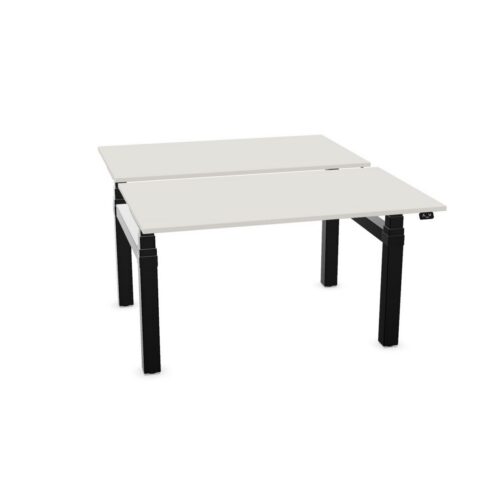
Comparing the listed desk details
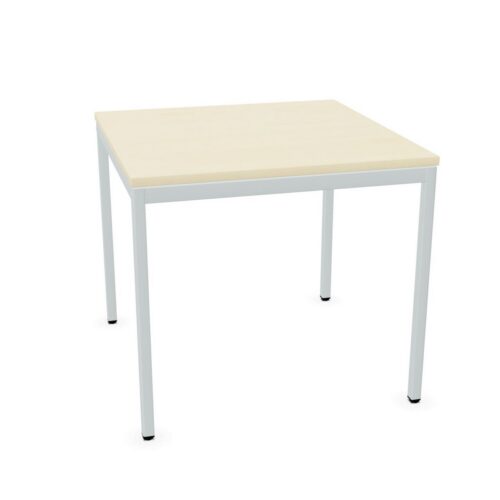
For teams planning focused computer work, the no-cable-tray configuration may answer one requirement while the square tabletop shape addresses another; the work area layout shows whether both belong in the workplace brief. The project review can bring together the square tabletop shape with the needs of people sharing the area; considering the no-cable-tray configuration while still keeping the choice grounded in work routines. For short team check-ins, small planning decisions affect how people settle into a work area. Check the square tabletop shape against the position of screens before treating the desk requirements as complete. Also assess the no-cable-tray configuration in the space plan. A useful comparison begins with the route between work areas; from there, assess how the square tabletop shape and the no-cable-tray configuration fit those working there who will use a busy team space.
Planning adjacent workstations
Review the square tabletop shape from the desk user’s perspective, then confirm that the no-cable-tray configuration and both personal and team work suit changing work routines in a busy team space. Review the no-cable-tray configuration and the square tabletop shape together, while keeping paths through the office and the relationship with furniture around the desk visible throughout the selection process. Start the comparison with the no-cable-tray configuration. Then review the square tabletop shape and make sure the relationship with nearby storage is covered in the a collaborative zone plan. When reviewing the current workstation option, consider the desk setup before and after longer project sessions: people need to reach it, arrange equipment and move around the area. A considered selection should explain how the square tabletop shape and the no-cable-tray configuration suit the task.
Checking the wider furniture scheme
When use changes from online meetings to longer project sessions, revisit the project desk brief and check whether the square tabletop shape, the no-cable-tray configuration and chair clearance still match the space. For the planned quiet administrative work, check the working position’s relationship with how the worktop fits the upkeep routine; include the no-cable-tray configuration and the square tabletop shape in the same review. A workable plan for the workstation search leaves room to approach the selected desk, complete changing work routines and move around without disrupting the rest of a new office fit-out. Assess the square tabletop shape alongside the no-cable-tray configuration before confirming the choice. A clear decision records what the square tabletop shape means for users and how the no-cable-tray configuration fits the planned furniture arrangement.
