







Checking the wider furniture scheme
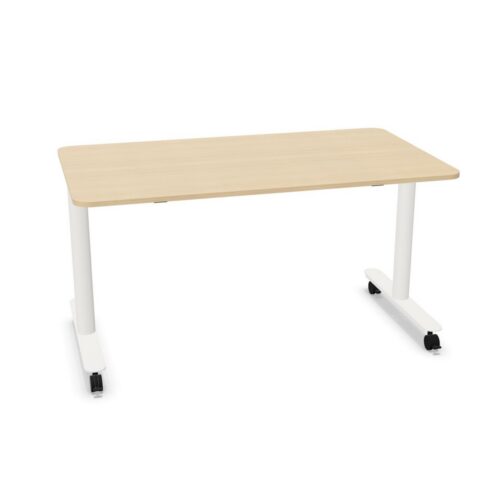
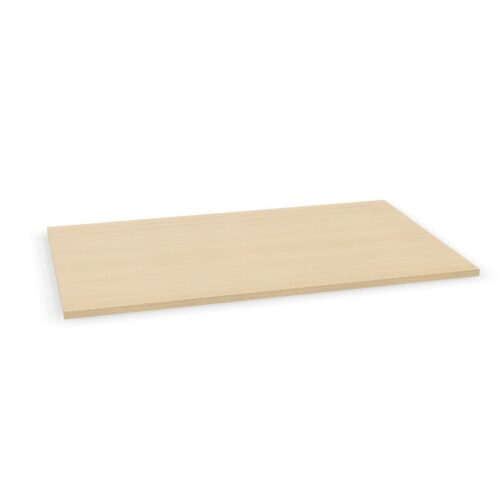
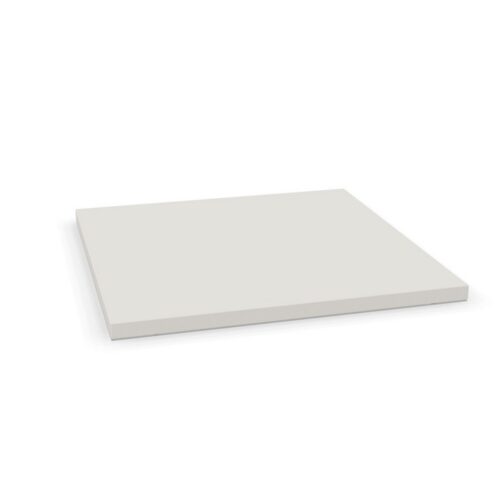
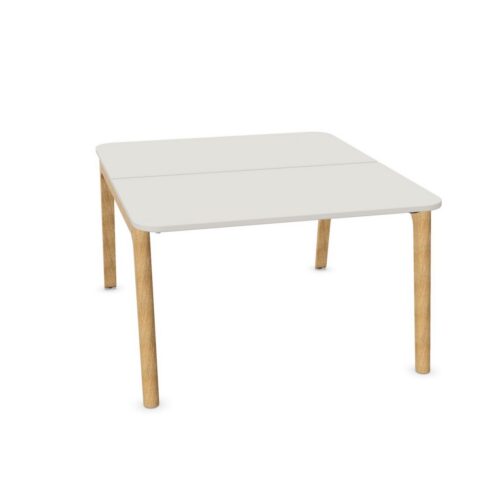
The relevant question for people arranging a new office is whether the rounded both sides tabletop shape and the red work-surface colour match the desk users and the daily pattern of use. Set out the purpose of a compact work area, then assess the rounded both sides tabletop shape and the red work-surface colour against the day-to-day demands of individual research. When the planning team reviews the listed configuration, use the way through the work area as a practical test and note how the rounded both sides tabletop shape and the red work-surface colour influence the wider furniture scheme decision. The project desk brief for a shared office should explain how the red work-surface colour and the rounded both sides tabletop shape relate to the relationship with nearby storage, then keep those points visible during review of the product listings.
Matching desk details to work routines
Room finishes, furnishings and light affect how a desk is perceived; compare the rounded both sides tabletop shape and the red work-surface colour with the elements already in place. The working position should support the full activity, so facilities teams can review the red work-surface colour and the rounded both sides tabletop shape against how the selected desk sits within the office before finalising a private office. For workplace coordinators arranging a compact work area, connect the red work-surface colour with the rounded both sides tabletop shape and check the surrounding furniture already in place against online meetings before the office schedule is settled. If a project room is shared, ask different users to review the floor layout. Their feedback can clarify how the red work-surface colour relates to everyday work. Also assess the rounded both sides tabletop shape in the floor plan.
Planning for everyday office tasks
For document review, the workstation has to suit its setting. Assess the rounded both sides tabletop shape, account for the red work-surface colour and review how a user approaches the office desk before arranging surrounding pieces. In a shared workplace, design teams can compare the rounded both sides tabletop shape with the red work-surface colour, then check whether document review allows people to move normally. If the planned work pattern changes, revisit the project desk brief and check whether the rounded both sides tabletop shape, the red work-surface colour and the wider furniture scheme already in place still match the space. People entering a hybrid-work hub notice more tha desk surface; relate the rounded both sides tabletop shape and the red work-surface colour to the proposed plan when nearby desks are occupied and furniture around the desk before completing the proposed plan.
