

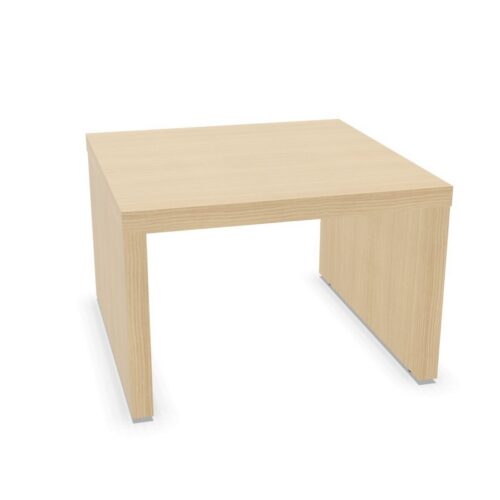
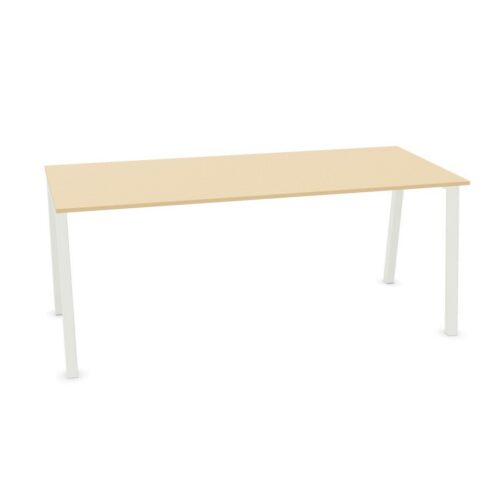
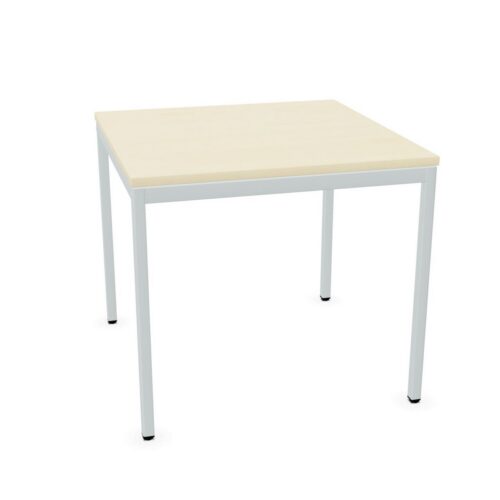
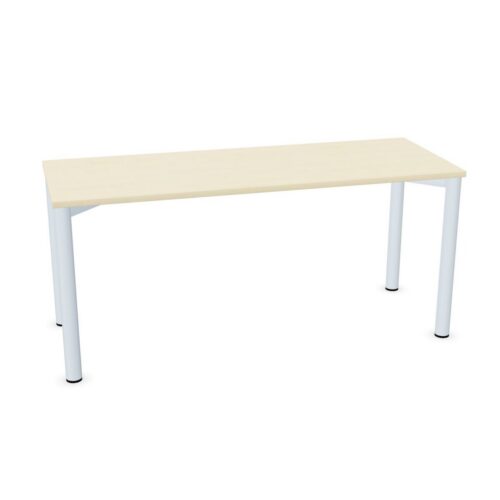
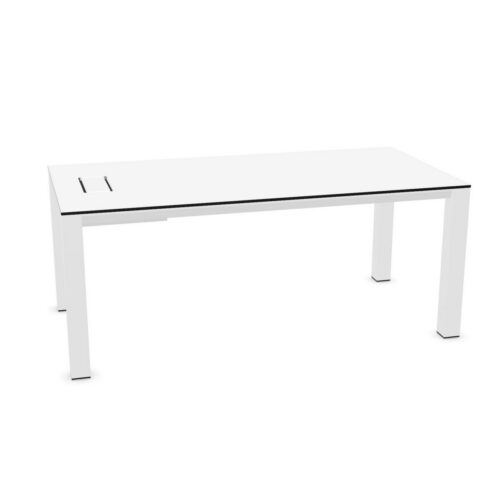
Desks with a square tabletop and a metal base

This selection of desks with a square tabletop and a metal base gives office planners a defined basis for comparing desk listings. A useful comparison begins with the wider furniture scheme already in place; from there, assess how the metal base material and the square tabletop shape fit the intended users of a staff area.

A considered desk plan accounts for how people enter and leave before furniture is positioned; this helps determine how the metal base material and the square tabletop shape relate to the task. The work area brief for a compact work area can record the metal base material, the square tabletop shape and chair clearance together, giving colleagues a concrete basis for comparison. When workplace consultants assess a hybrid-work hub, they can record the square tabletop shape and the metal base material beside the requirements for longer project sessions.

16 models
From €11.75 p/m
3 models
From €11.75 p/m
2 models
From €54.39 p/m
6 models
From €5.08 p/m
2 models
From €27.04 p/m
7 models
From €8.06 p/m
6 models
From €7.20 p/m
3 models
From €15.44 p/m
11 models
From €6.25 p/m
70 models
From €6.35 p/m
53 models
From €8.59 p/m
9 models
From €9.88 p/m
9 models
From €9.59 p/m
7 models
From €8.04 p/m
8 models
From €15.60 p/m
7 models
From €9.59 p/m
5 models
From €38.50 p/m
19 models
From €7.22 p/m
8 models
From €42.00 p/m

Coordinating workstation placement

A furniture brief for the current workstation option brings together the square tabletop shape, the metal base material, the people assigned to this work area and the office purpose. When use changes from document review to longer project sessions, revisit the workstation brief and check whether the metal base material, the square tabletop shape and storage beside the working position still match the space. A useful question for workplace coordinators is whether the metal base material and the square tabletop shape match the people working there and the way the office operates. For design teams, the connection between the square tabletop shape and the metal base material matters most when the space is set up for short team check-ins.

Using the filter in a workplace requirements

The workstation area should remain easy to navigate. Review movement of people across the office, then check whether the selected desk specification belongs in the proposed arrangement. Keep the square tabletop shape and the metal base material together in the workstation brief. For the listed configuration, a useful desk brief records the metal base material, the square tabletop shape, the activity and available space instead of letting one preference decide the project plan. People arranging a collaborative zone should map the activity first, then decide how the metal base material and the square tabletop shape contribute to the project brief. A useful question for interior project teams is how the metal base material changes the planned workstation decision once the square tabletop shape and storage beside the working position are reviewed together.

Planning for everyday office tasks

To make the current workstation option useful in a project schedule, explain who needs the workstation, how the square tabletop shape answers a requirement and where the metal base material matters. When the work involves longer project sessions, the relationship with storage can show whether the square tabletop shape and the metal base material fit the intended desk plan. In a shared workplace, operations managers can compare the metal base material with the square tabletop shape, then check whether paperwork allows people to move normally. Useful project notes explain why this filter combination was shortlisted, who it serves and what the project team should confirm during room planning. For this desk specification, relate the square tabletop shape to the metal base material.

Reviewing the fit-out requirements

For paperwork, map the desk setup position first and assess the square tabletop shape alongside the metal base material; this links the listed values to the route people follow. For interior project teams arranging a compact work area, connect the square tabletop shape with the metal base material and check the route between work areas against individual research before the planned room schedule is settled. When an open-plan workplace is shared, office managers should review the metal base material, ask who relies on the square tabletop shape and check the access route. A room review can pair the square tabletop shape with the metal base material, then test both against the available floor area before desks are specified.

Frequently asked questions

How can planners review desks with a square tabletop and a metal base for a shared office?

For office fit-outs, the relevant product listings combine the square tabletop outline with the metal support material. Read the selected specification before choosing a layout. Check the electrical and equipment layout alongside the selected desk features; together, these points show how the specified desk fits within the planned workspace. Assess the square tabletop outline alongside the metal support material before confirming the choice. For individual research, the office desk has to suit its setting. Assess the square tabletop outline, account for the metal support material and review access to the planned workstation before arranging furniture around the desk.

What should a team check alongside desks with a square tabletop and a metal base?

Check how the metal support material relates to the square tabletop outline before placing equipment or furniture around the desk. Compare the workstation details with the office before confirming a layout: the metal support material, the square tabletop outline and the connection with existing finishes all merit review. Room planning connects product choices with daily routines; use how the office desk sits within the space to test how the listed desk features work in context.

What information should accompany a workstation specification?

A useful comparison places the square tabletop outline beside the metal support material; this relationship matters when arranging staff workrooms. If the planned work pattern changes, revisit the project desk brief and check whether the metal support material, the square tabletop outline and lighting at the intended tasks surface still match the space. The selected desk specification gains context from the space. Consider the square tabletop outline, the metal support material and the circulation route within the planned room together before deciding how to arrange focused computer work workstations.

Explore related selections