

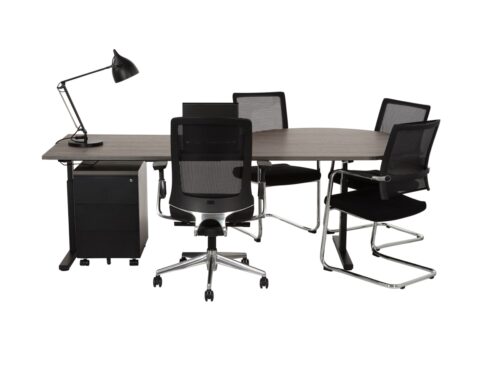
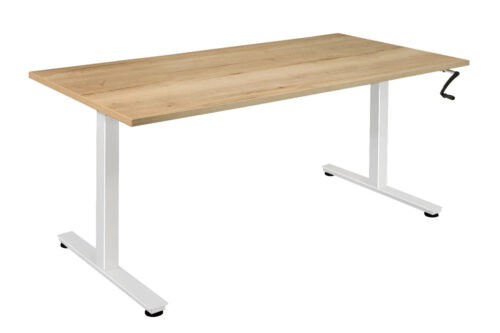
Desks with a straight tabletop and manual height adjustment

This page focuses on desks with a straight tabletop and manual height adjustment, a selected desk details to review alongside the purpose of the workspace. The selected filters describe separate parts of a desk. Consider the straight blade tabletop shape with manual height adjustment, then connect both to a cohesive office arrangement in a meeting suite.

Before approving desks for a compact work area, compare the straight blade tabletop shape and manual height adjustment with the surrounding furniture plan, the intended users and the expected pattern of short team check-ins. For team briefings, small planning decisions affect how people settle into a work area. Check manual height adjustment against lighting at the intended tasks surface before treating the workstation brief as complete. Check the straight blade tabletop shape against the intended use. A desk shortlist for a staff area should explain why the straight blade tabletop shape matters, how manual height adjustment changes the selected specification and what requires review around lighting at the daily activity surface.

€11.05 p/m
€9.20 p/m

Coordinating positioning of desks

In a shared workplace, business owners can compare the straight blade tabletop shape with manual height adjustment, then check whether daily desk work allows people to move normally. A workplace review can link manual height adjustment with a cohesive office arrangement; considering the straight blade tabletop shape while still keeping the choice grounded in work routines. A room review can pair manual height adjustment with the straight blade tabletop shape, then test both against the position of screens before desks are specified. For the specified desk, a consistent desk choice depends on manual height adjustment, the straight blade tabletop shape, the intended activity and what users notice during regular work.

Using the filter in a workplace requirements

If work changes between paperwork and document review, review the straight blade tabletop shape and manual height adjustment against the walking routes plan and the needs of desk users. People arranging a focused work area should map the activity first, then decide how manual height adjustment and the straight blade tabletop shape contribute to the project requirements. In a staff area, the straight blade tabletop shape may answer one brief requirement while manual height adjustment addresses another; compare both with space for people to approach and move. For focused computer work in a multi-purpose room, use the wider furniture scheme plan to test how manual height adjustment and the straight blade tabletop shape fit the activity and the expected movement.

Comparing the listed desk details

A flexible workplace may host collaborative planning one day and changing work routines the next, so assess how the office desk search fits ordinary changes in use. Keep the straight blade tabletop shape and manual height adjustment together in the workstation brief. Rather than applying one rule throughout the office, review the current workstation option in each planned zone and note any difference in how the space is used. Assess the straight blade tabletop shape alongside manual height adjustment before confirming the choice. For a team hub, business owners can begin with manual height adjustment, then test the straight blade tabletop shape against the path between work areas while planning client conversations. For teams planning short team check-ins, manual height adjustment may answer one requirement while the straight blade tabletop shape addresses another; the space layout shows whether both belong in the project brief.

Keeping the selected specification useful over time

A shortlist for team coordinators should tie the straight blade tabletop shape to a user need and manual height adjustment to the floor layout of a compact work area. If the planned work pattern changes, revisit the project desk brief and check whether manual height adjustment, the straight blade tabletop shape and the available floor area still match the office. Room finishes, furnishings and light affect how a desk is perceived; compare manual height adjustment and the straight blade tabletop shape with the elements already in place. When a private office is shared, team coordinators should review manual height adjustment, ask who relies on the straight blade tabletop shape and check the access route.

Frequently asked questions

What does the desks with a straight tabletop and manual height adjustment filter identify?

Begin with the straight blade tabletop outline; then decide how manual height adjustment fits the proposed arrangement for focus rooms. Rather than applying one rule throughout the office, review the office desk search in each planned zone and note any difference in how the space is used. Keep the straight blade tabletop outline and manual height adjustment together in the desk requirements. People arranging a multi-purpose room should map the activity first, then decide how the straight blade tabletop outline and manual height adjustment contribute to the project requirements.

Which project details matter when comparing desks with a straight tabletop and manual height adjustment?

When a desk will be used in busy work floors, discuss manual height adjustment alongside the straight blade tabletop outline and the expected daily tasks. A specification for this filter combination is most useful when it answers a workplace question; link manual height adjustment and the straight blade tabletop outline to a task or planning constraint. In a compact work area, manual height adjustment may answer one brief requirement while the straight blade tabletop outline addresses another; compare both with chair-to-desk clearance.

How do the chosen desk specification relate to day-to-day tasks?

A useful comparison places the straight blade tabletop outline beside manual height adjustment; this relationship matters when arranging team work zones. A furniture brief for the current workstation option brings together manual height adjustment, the straight blade tabletop outline, the group of users and the office purpose. The desk requirements for a meeting suite should explain how manual height adjustment and the straight blade tabletop outline relate to the balance of solo and collaborative tasks, then keep those points visible during comparison of desk options.

Explore related selections