

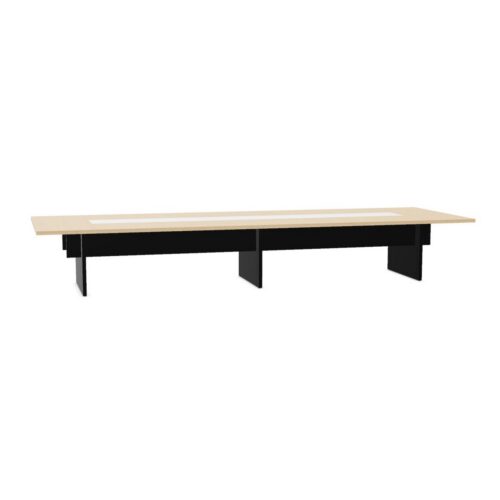
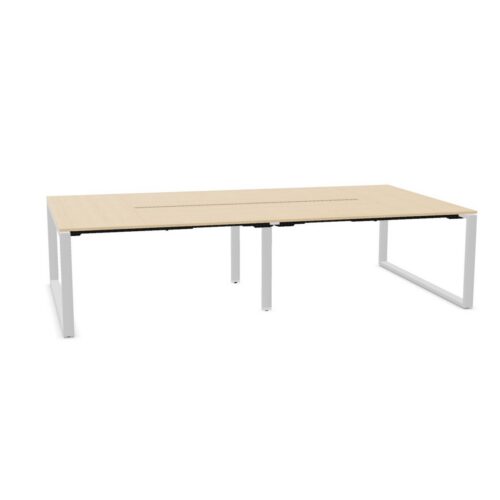
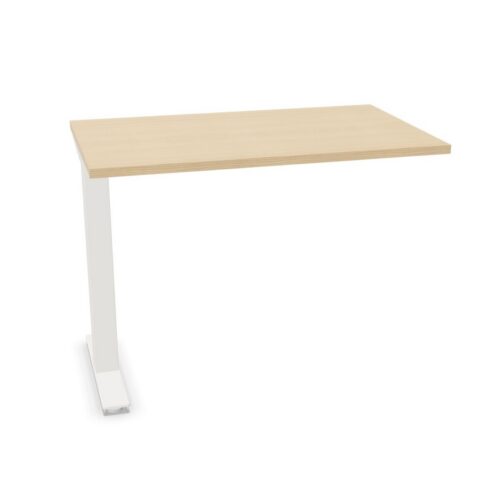
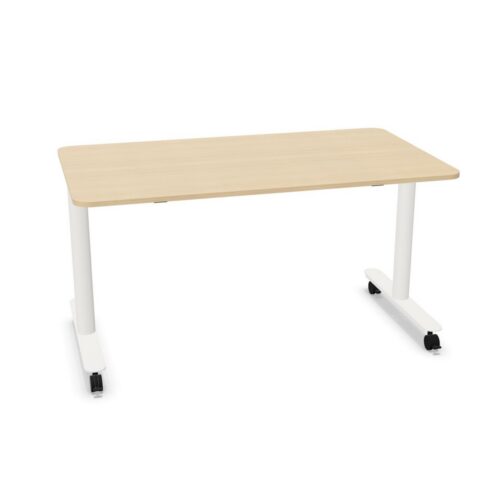
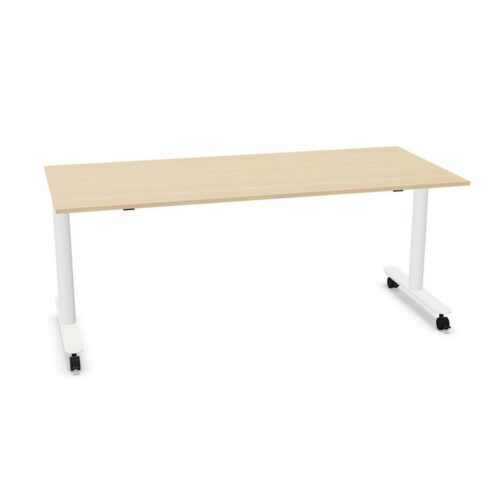
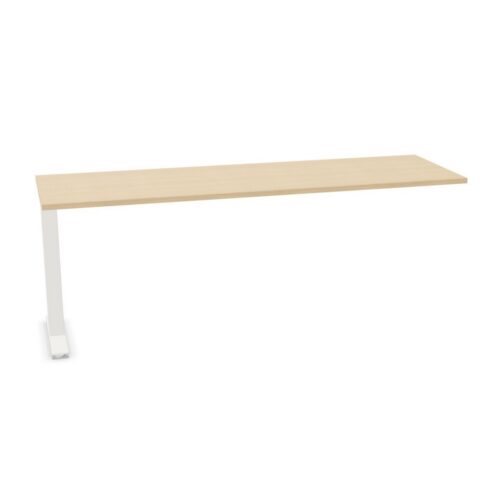
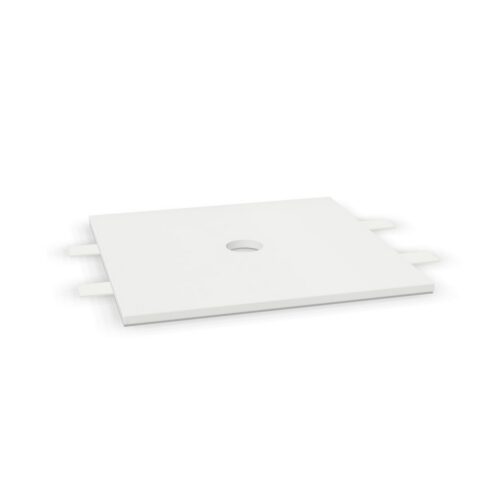
Desks with a straight tabletop and a beige work surface

For projects specifying desks with a straight tabletop and a beige work surface, the filter provides a practical starting point for desk planning. Before approving desks for a staff area, compare the straight blade tabletop shape and the beige work-surface colour with the planned furniture plan, the people assigned to this work area and the expected pattern of online meetings.

The review should start with how the space is used. interior project teams can assess the straight blade tabletop shape, consider the beige work-surface colour and verify the floor layout at normal occupancy before arranging desks. Room planning connects product choices with daily routines; use the proposed locations of power and devices to test how the listed desk features work in context. The proposed shortlist should explain how the straight blade tabletop shape and the beige work-surface colour suit the task.

3 models
From €5.25 p/m
2 models
From €61.81 p/m
3 models
From €5.39 p/m
24 models
From €6.52 p/m
5 models
From €5.27 p/m
7 models
From €2.54 p/m
33 models
From €10.97 p/m
7 models
From €9.51 p/m
2 models
From €2.75 p/m
5 models
From €7.15 p/m

Keeping the product specification useful over time

When workplace planners compare the office desk search, start with the straight blade tabletop shape, then test the beige work-surface colour against the needs of different users prior to finalising desk placement. When workplace planners assess a flexible workspace, they can record the beige work-surface colour and the straight blade tabletop shape beside the requirements for longer project sessions. People entering a busy team space notice more tha desk surface; relate the beige work-surface colour and the straight blade tabletop shape to the needs of different users and adjacent furniture before completing the furniture plan. Because a busy team space can support changing work routines as well as video calls, assess the beige work-surface colour beside the straight blade tabletop shape while keeping the position of adjacent desks in view.

Checking furniture access and movement through the space

To assess the listed configuration, describe the planned room’s purpose, who uses it and how the straight blade tabletop shape relates to the beige work-surface colour. The office desk area should remain easy to navigate. Review the available floor area, then check whether the workstation specification belongs in the proposed arrangement. Keep the straight blade tabletop shape and the beige work-surface colour together in the workstation brief. For workplace consultants, narrowing the office desk specification creates a more focused review of the equipment positioned on the workstation and the details that affect everyday activity. For this desk specification, relate the straight blade tabletop shape to the beige work-surface colour. For space planners arranging a flexible workspace, connect the beige work-surface colour with the straight blade tabletop shape and check the work area’s visual balance against individual research before the work area schedule is settled.

Reviewing the fit-out requirements

An office used for focused computer work may need a different layout from one used for shared office tasks; consider how the beige work-surface colour and the straight blade tabletop shape fit both patterns. The project review can bring together the straight blade tabletop shape with a workable place for regular tasks; considering the beige work-surface colour also keeps the selection grounded in day-to-day tasks. A office requirements becomes more specific when operations managers record the volume of equipment near the selected desk, identify the straight blade tabletop shape and explain how the beige work-surface colour affects the working position plan. During changing work routines, the workstation needs to suit the intended tasks as well as the room layout. Check the straight blade tabletop shape alongside the beige work-surface colour before settling on the selected desk search.

Preparing a clear desk schedule

A workable plan for the office desk specification leaves room to approach the workstation, complete short team check-ins and move around without disrupting the rest of a reception office. If a shared office serves several purposes, assess the straight blade tabletop shape alongside the beige work-surface colour and consider how individual research affects walking routes. A concise project note links the beige work-surface colour to the straight blade tabletop shape and records how both personal and team work affects the workstation arrangement in a reception office. For the selected desk search, a consistent desk choice depends on the beige work-surface colour, the straight blade tabletop shape, the intended activity and what users notice during regular work.

Frequently asked questions

How do the chosen desk specification relate to regular office work?

Use the straight blade tabletop outline as the starting point, then consider whether the beige work-surface colour answers the needs of team work zones. For a team hub project, keep the beige work-surface colour visible in the workplace brief and check whether the straight blade tabletop outline works with how individual work sits alongside shared tasks. When a team shares a shared office, work routines may differ. Use the workstation specification as a starting point and check the floor layout with more than one user in mind. Keep the straight blade tabletop outline and the beige work-surface colour together in the workstation brief.

How should the straight blade tabletop shape be considered when planning desks with a straight tabletop and a beige work surface?

Assess the straight blade tabletop outline against long-term use, while keeping the beige work-surface colour visible in the office project requirements. When the planning team reviews the selected desk configuration, use clearance for standing and walking as a practical test and note how the beige work-surface colour and the straight blade tabletop outline influence the surrounding furniture decision. If a flexible workspace is shared, ask different users to review the floor layout. Their feedback can clarify how the beige work-surface colour relates to everyday work. Keep the straight blade tabletop outline visible in the comparison.

How can planners review desks with a straight tabletop and a beige work surface for a shared office?

A useful comparison places the straight blade tabletop outline beside the beige work-surface colour; this relationship matters when arranging workplace projects. If work changes between shared office tasks and daily desk work, review the straight blade tabletop outline and the beige work-surface colour against the access around the desks plan and the needs of desk users. Use the proposed room layout to compare the straight blade tabletop outline and the beige work-surface colour; that gives workplace planners a practical basis for discussing the planned equipment for the workstation.

Explore related selections