















Open Two Separate Assessment Threads
One thread concerns how the backrest height adjustment works for users. The other concerns the missing standard reference. Give each a clear place in the assessment so progress on one does not obscure unanswered questions in the other.
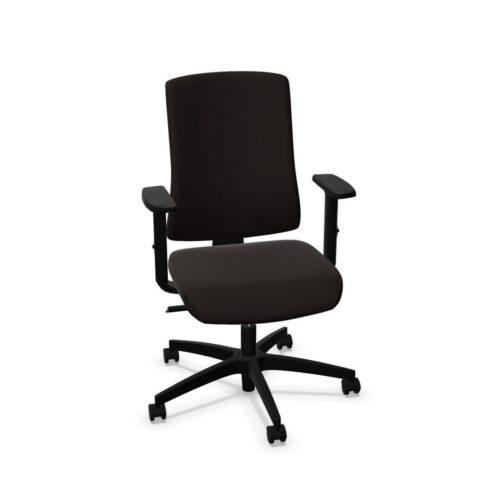
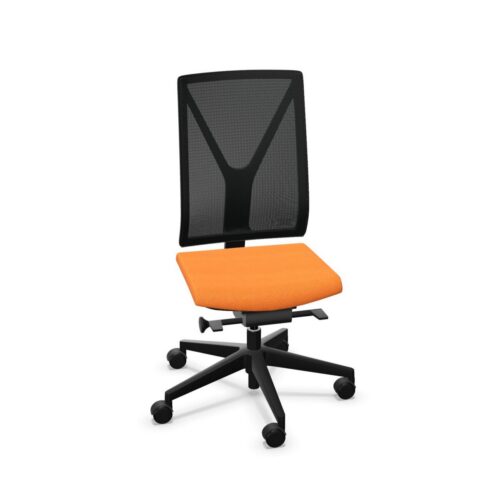
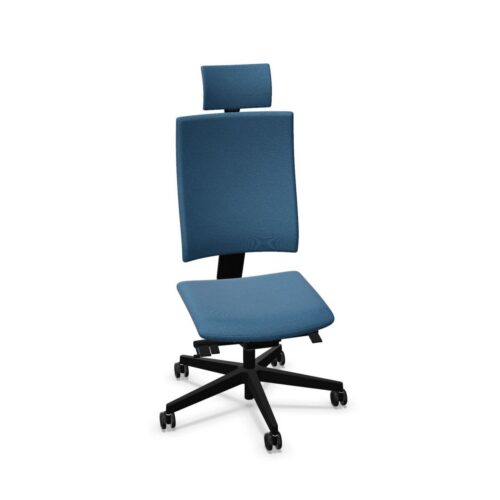
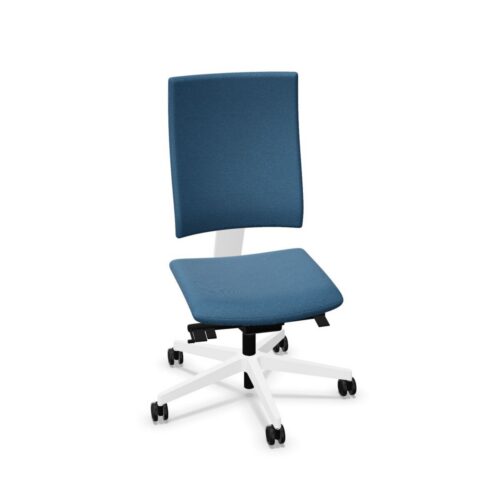
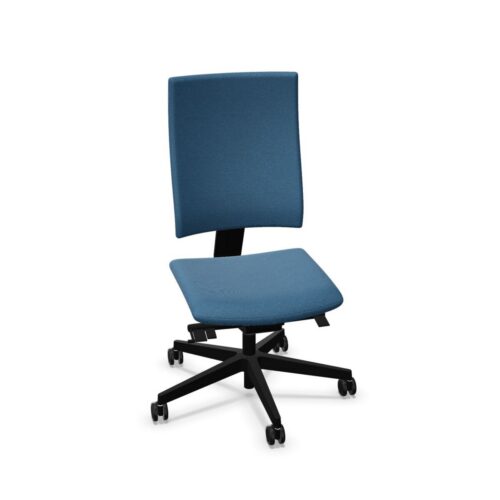
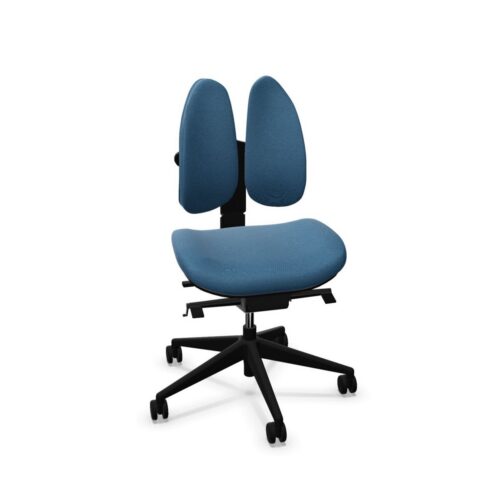
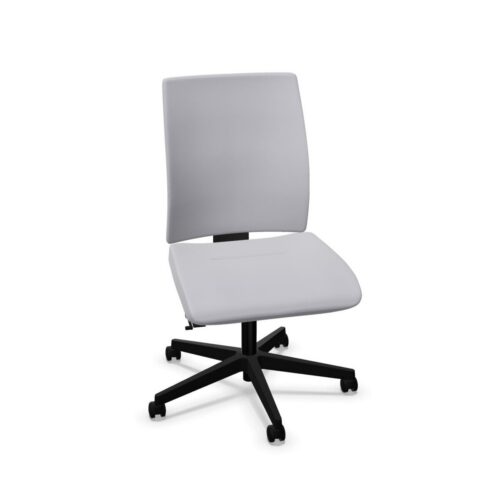
For office chairs with unstated standards and adjustable-height backs, record the confirmed adjustment without expanding it into claims about other features. Record the standard as unspecified until clarification is available. This preserves the distinction between a known capability and information that has not yet been supplied.
Let Users Explore the Height Change
Ask for instructions and allow each participant to operate the control. Start from an ordinary seated position, change the backrest height and ask what difference the user notices. Repeat the normal desk task after the change.
Do not prescribe one position for everyone. The comparison should establish how the available settings relate to the intended participants. Note the positions assessed and any questions about operation so the results remain understandable to colleagues who did not attend the demonstration or observe the seated trial.
Request Evidence With a Clear Purpose
Identify which standard information the organisation needs for the intended room or activity. Then request clarification rather than assuming either the presence or absence of a particular standard. An unspecified reference is an unresolved detail.
When reviewing office chairs, keep the request precise enough to answer. Ask what standard is stated for the seating and what supporting material is available. Retain any response with the original question so the assessment shows how the information gap was addressed and whether further clarification remains necessary.
