

Office Chairs With Unstated Standards and Fixed-Height Backs

Before allocating office chairs with unstated standards and fixed-height backs, establish what is known and what remains open. Backrest height adjustment is absent, while the applicable standard is not specified. These facts create two distinct tasks: assess the existing backrest position and clarify any standard information needed for the intended workplace.

The fixed height makes individual experience particularly relevant to the comparison. Ask the intended user to sit at their usual desk, describe where the backrest makes contact and carry out familiar activities. Record the position they adopt and any repeated movement rather than relying on an unexplained impression of comfort.

Office chairs also need assessment beyond the backrest. Other controls, dimensions and material details have not been established by this combination. Keep them as separate questions and request relevant evidence. An office manager can then review the seating through confirmed characteristics, practical observations and clearly identified gaps, with each part contributing to a decision about the intended allocation.

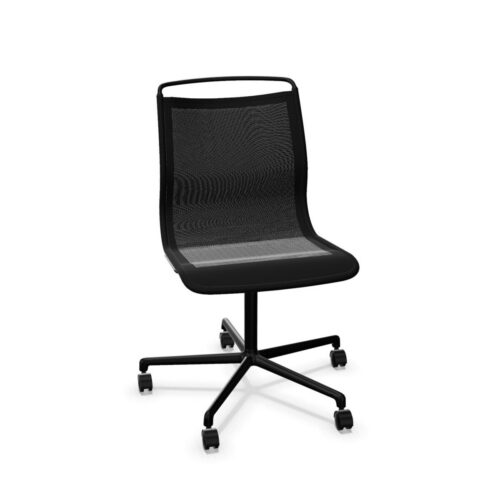
6 models
From €6.87 p/m
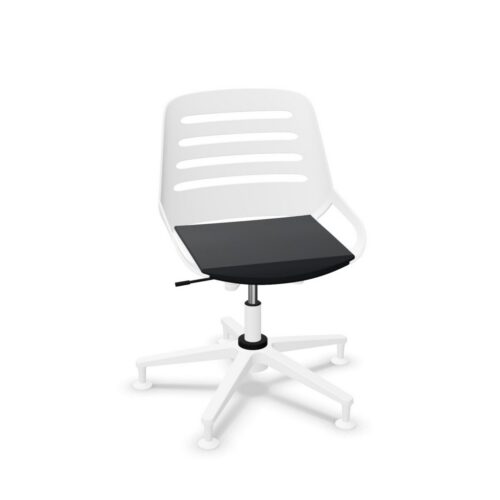
2 models
From €10.32 p/m
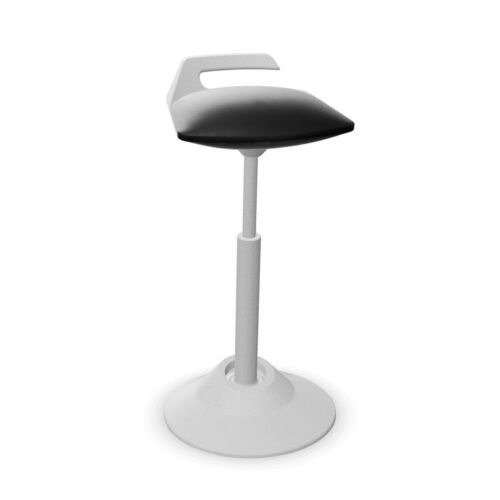
3 models
From €10.49 p/m
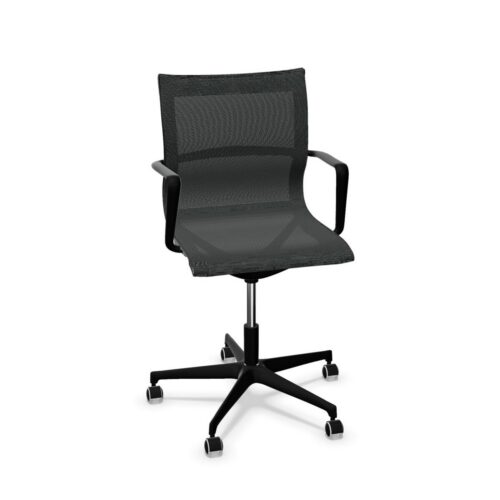
2 models
From €6.87 p/m
4 models
From €7.26 p/m
3 models
From €8.88 p/m
2 models
From €19.56 p/m
3 models
From €10.17 p/m
2 models
From €6.13 p/m
2 models
From €9.18 p/m
5 models
From €13.67 p/m
3 models
From €23.12 p/m
3 models
From €9.20 p/m
19 models
From €2.38 p/m

Establish the Limits of the Description

A standard that is not specified remains an unanswered question. It should not be silently converted into a statement that the chair has no standardisation, meets a particular standard or has failed a test. Request clarification where the organisation needs that information.

For office chairs with unstated standards and fixed-height backs, describe the backrest limitation with equal precision. Height adjustment is absent. That does not establish every other aspect of backrest movement or seating operation. A careful initial description prevents assumptions from spreading into later comparisons and internal allocation records used by colleagues.

Observe the User Before Interpreting the Result

Let the participant settle into their normal position and begin a familiar desk task. Ask where they notice backrest contact and observe how that relationship changes as they work. Record their own description alongside the observed movements.

Because the backrest cannot be adjusted in height, avoid treating an unsuitable contact position as a setting that can be corrected later through that control. Also avoid assigning every movement to the backrest immediately. The desk arrangement, task and other confirmed features should be considered when interpreting what happened during the practical seating assessment with that person.

Build a Focused Information Request

Office chairs with unstated standards and fixed-height backs need a clear list of outstanding questions. Start with the standard reference required for the intended setting, then identify missing dimensions or functions that matter to the users. Keep the request tied to decisions that need evidence.

Ask for information about the seating configuration being assessed. When a response arrives, check which question it answers and which points remain unresolved. This keeps a partial explanation from being treated as a complete description and helps the office manager follow the basis of the assessment without reconstructing earlier conversations.

Reassess When the Intended User Changes

A fixed backrest height may be experienced differently by another colleague. If the seating is reassigned, repeat the relevant trial rather than transferring the previous user's conclusion unchanged. Include the new desk arrangement if the chair moves to another work area.

Compare office chairs through records that identify the participant, task and circumstances. Preserve any outstanding standard questions alongside those notes. The resulting assessment can then support a specific allocation while remaining clear about its limits, including which observations belong to one person and which characteristics have been independently confirmed for the seating.

Questions About Missing Standards and Fixed Height

Can the backrest height be altered?

No backrest height adjustment is provided in this selection. Assess the existing position with the intended user. Other controls should be checked separately, and none should be assumed to provide the missing height adjustment. Describe each confirmed function accurately in the assessment record for the seating.

Is the unspecified standard a negative test result?

No test result is supplied. Office chairs with unstated standards and fixed-height backs should be described using those known facts, without inventing a reason for the missing reference. Request relevant supporting information and assess any response against the organisation's actual requirements for the room or activity.

What if several people will share the seating?

Include participants with differing proportions and keep their observations separate. Each person needs to assess the existing backrest height at the intended workstation. Record any differences clearly, since one participant's experience cannot establish the same result for every colleague expected to use the chair in that setting.

Explore related selections