

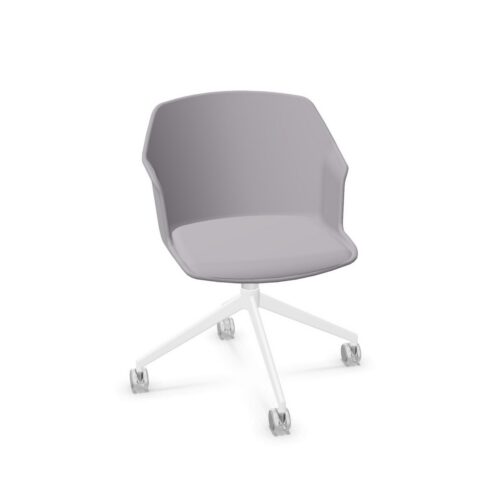
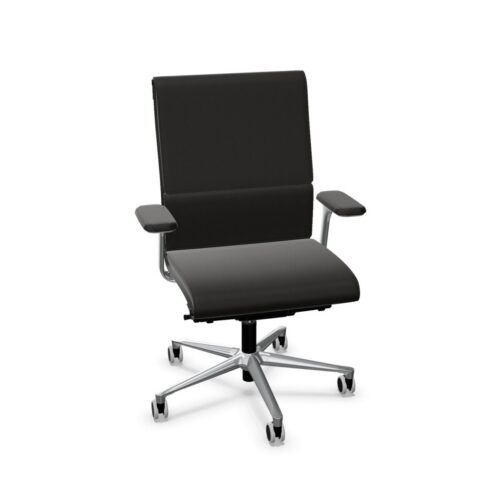
Fixed-Height Office Chairs on Silver Bases

Fixed-height office chairs on silver bases offer a clear starting point for a room’s visual scheme, alongside a seat position that cannot be raised or lowered. Consider the combination from the room outward: identify the surrounding finishes, then test the sitting position at the furniture people will actually use.

Silver can relate to visible desk frames, storage fittings or other details, but the colour description leaves material and surface treatment open. A finish sample helps clarify the visual relationship. Confirmed dimensions and user observations answer a different question: how office chairs will function in their intended positions.

For a shared room, make those judgements together. An appealing finish cannot resolve an unsuitable sitting height, and suitable dimensions do not confirm a visual match. Keep separate notes for appearance, practical fit and maintenance, then use them to explain the final arrangement. This gives colleagues a clear basis for reviewing later furniture changes.

4 models
From €28.11 p/m
6 models
From €23.37 p/m
5 models
From €17.49 p/m
2 models
From €17.75 p/m
2 models
From €13.64 p/m
10 models
From €10.37 p/m
9 models
From €10.37 p/m
5 models
From €3.59 p/m
2 models
From €17.81 p/m
24 models
From €4.49 p/m
11 models
From €3.40 p/m
2 models
From €5.56 p/m
18 models
From €15.83 p/m
51 models
From €4.84 p/m
11 models
From €3.24 p/m
12 models
From €10.76 p/m
2 models
From €6.38 p/m
52 models
From €8.14 p/m
2 models
From €13.78 p/m
2 models
From €17.22 p/m
11 models
From €5.04 p/m

Read Silver Alongside the Room's Other Finishes

Place a representative base finish near the desk frames or fittings it is intended to complement. Review the relationship in the room's normal lighting rather than relying on a colour name. With fixed-height office chairs on silver bases, the silver appearance is the confirmed visual characteristic; texture, sheen and underlying material still need checking. Agree which visible qualities matter to the room scheme and write them down. This gives everyone involved the same reference when assessing how the seating relates to existing furniture and planned changes elsewhere in the space.

Compare Sitting Positions Across the Shared Room

Arrange a trial around the activities expected in that room. A discussion table and a workstation may place different demands on reach and clearance, so assess each intended use. Fixed-height office chairs on silver bases cannot move vertically to compensate for differences between surfaces. Confirm the seat height, observe foot support and ask participants to approach their work as usual. Where people share the seating, record individual feedback. Keep any task or user restrictions visible rather than assuming a successful trial at one table applies throughout the room.

Ask What Lies Beneath the Silver Appearance

Confirm the base material independently of its colour. Silver alone cannot establish the construction or identify the cleaning instructions that apply. Ask for the relevant material and finish information, then give facilities staff the appropriate guidance. Office chairs should enter the room's maintenance routine with those details understood. If staff normally use one method across several surfaces, check its suitability for this base rather than extending the routine from visual similarity. Record any clarification alongside the confirmed instructions for the complete chair.

Review Appearance and Fit Before Assigning Locations

Bring the findings together for each proposed position. Fixed-height office chairs on silver bases should have both a clear visual role and an assessed relationship with the working surface. Identify which finish sample informed the appearance decision, which dimensions were checked and which users participated. If seating moves within the room, revisit the relevant fit checks. A consistent silver scheme can extend across an interior while table heights and activities differ. The placement record should explain those practical differences as clearly as the intended visual consistency.

Silver Base Seating: Practical Questions

Does silver mean the base is metal?

Silver identifies the stated colour appearance, not the material beneath it. Request the material specification separately, together with finish details relevant to care or room coordination. A metallic appearance should not replace confirmed construction information when managers compare how different seating options meet the workplace brief.

How can managers assess a silver finish match?

Use a representative sample beside the furniture it will accompany, under the room's normal lighting. Compare the visible qualities that matter to the scheme, including sheen and texture where relevant. Note the reference used so colleagues understand the intended relationship rather than treating silver as a complete finish specification.

Why check each table if chairs stay unchanged?

The seat height stays fixed, but the relationship with a different table may change. Reassess clearance, foot support and access to the task area with representative users. An earlier trial describes the conditions in which it took place, so extend its findings only after checking the relevant differences.

Explore related selections