







Establish An Acceptable Silver Reference
Gather the nearby finishes that the chair base needs to sit alongside. These might include desk supports, cabinet handles and partitions with visible frames. Decide whether the intention is close matching or a coordinated mixture of finishes. That decision helps the workplace team assess examples consistently, without assuming that the word silver describes one identical appearance across different objects.
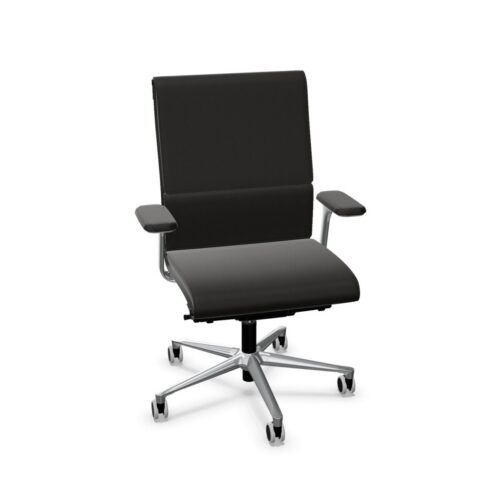
View a representative base in the room or under comparable lighting. Confirm its texture and sheen, and consider the visible proportion of the base beneath the chair. Record the approved reference so later comparisons have a clear starting point. If a particular visual characteristic matters, describe it directly rather than relying on the colour name to communicate every aspect of the finish.
Identify The Material Beneath The Colour
Ask what the base is made from and how the silver appearance is achieved. The colour description does not establish metal, plastic or another substrate, nor does it establish a particular coating process. These details matter when writing an accurate specification. Keep material, construction and visible finish as separate entries in the workplace's seating requirements.
Check any required load limit or seating standard for the complete chair configuration. A silver appearance cannot provide evidence of structural performance. Request information that addresses the intended users and working conditions, then review it alongside the actual base construction. This keeps an aesthetic preference from being mistaken for confirmation that a chair meets a practical requirement.
