








Follow the sequence of a working day
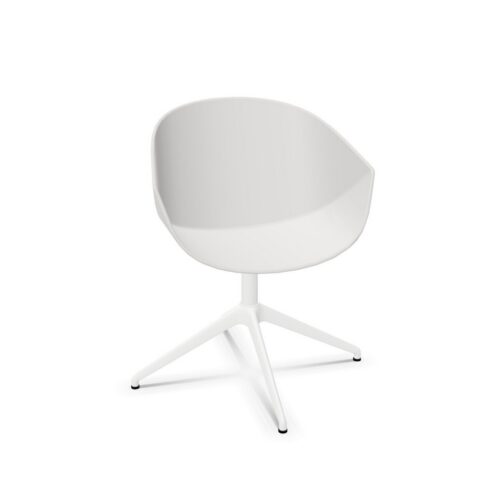
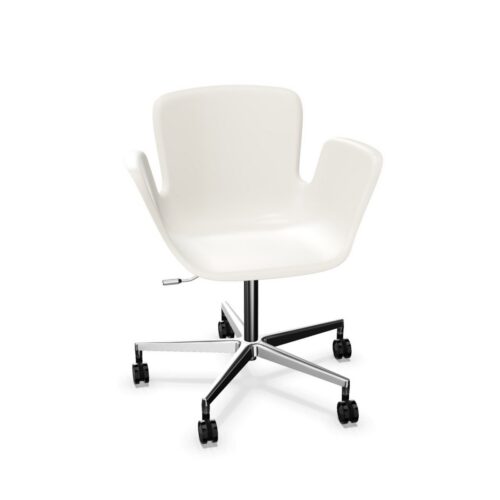
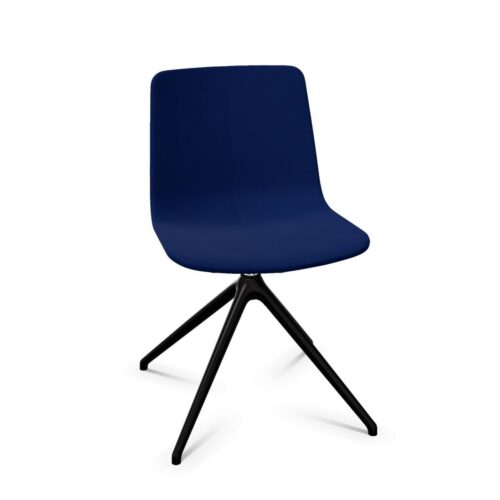
Map the activities that happen around the seating before judging individual features. A place used for short discussions may be assessed differently from one used for detailed desk work. Note the expected sitting periods, the work surface and the range of users. Fixed height plastic office chairs should then be tested against those conditions, with particular attention to the unchanging sitting level. Ask users to approach the table, handle their usual materials and change posture as they normally would. The trial should reveal practical limitations that a brief visual inspection of the room cannot establish on its own.
Separate surface shape from material assumptions
Plastic is a material description, not a complete account of sitting comfort. Examine the shape of the seat, the front edge and the position of the backrest relative to the user. Look for areas where the surface creates unwanted pressure during the intended activity. Ask users how contact feels after a representative sitting period, rather than relying on their first impression. Do not assume cushioning, ventilation or flexibility unless those characteristics are confirmed. Office chairs with the same general surface material can still differ in dimensions, construction and the way they accommodate individual preferences during everyday use.
