







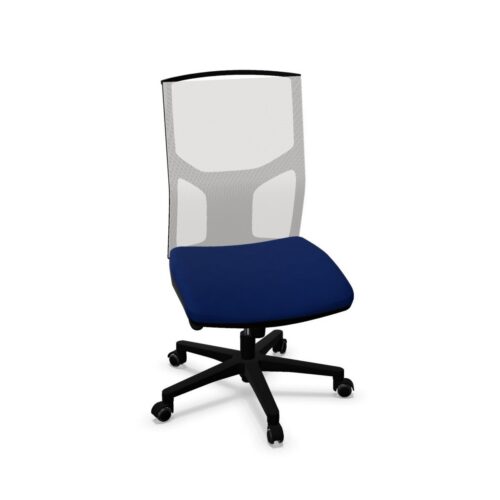


Coordinate Brown Without Assuming a Material Match
A brown base may sit alongside timber furniture, colored desk frames or patterned flooring, yet none of those relationships establishes what the base is made from. Compare office chairs using actual finish information and a direct view of the shade where possible. Browns can differ in warmth and darkness, so an approximate match may read differently beside an existing desk than it does on its own. Decide if you want a close relationship between the surfaces or a deliberate difference. Include the seat and back colors in that decision, because the base label does not define the rest of the chair.
Check the Backrest Where It Meets Your Back
Brown-base chairs with fixed backrest height rely on their existing backrest position matching the intended user. During a seated trial, use the posture and desk arrangement associated with the actual work. Notice whether the backrest makes useful contact without requiring you to shift into an awkward position. When comparing office chairs, examine the relationship of the seat to the back rather than treating overall chair height as a measure of fit. The absence of vertical back adjustment makes this relationship particularly relevant. Other adjustments, if confirmed, should be assessed on their own terms rather than assumed to compensate for an unsuitable backrest position.
