

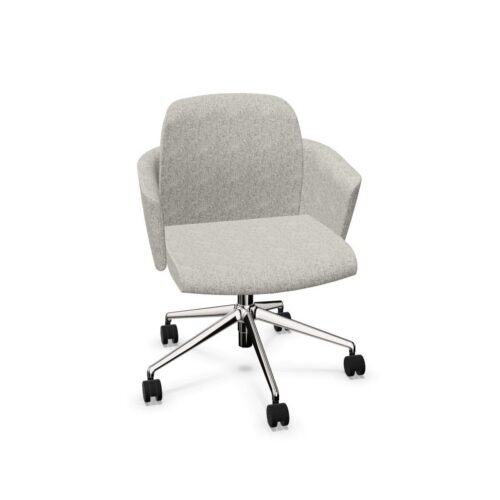
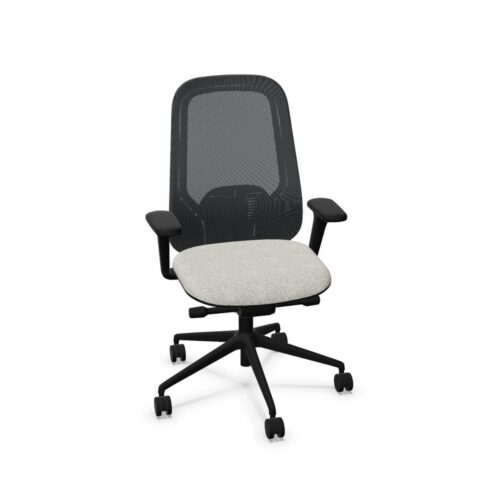
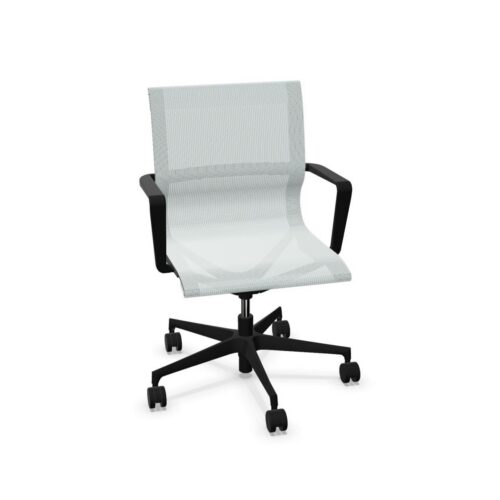
Fixed Back Height Chairs At Work

A backrest that cannot be adjusted vertically puts the emphasis on its existing relationship with the seat and the user’s body. The office manager’s task is to assess that relationship directly. Backrest height, contour and the position of contact all deserve attention, but none can be inferred from the absence of adjustment alone. A fixed back height can describe chairs with quite different overall shapes and dimensions.

These office chairs do not provide back height adjustment. Other functions remain separate questions: the backrest may have additional characteristics, but they need confirmation for each chair. Start the comparison with the people and tasks involved, then observe how the backrest works at the intended desk. Where chairs are shared, test the relevant variation in body proportions. Where seating is assigned, document the individual fit. This approach makes the unchangeable vertical position a clear part of the decision while leaving room to assess every other relevant aspect of the chair.

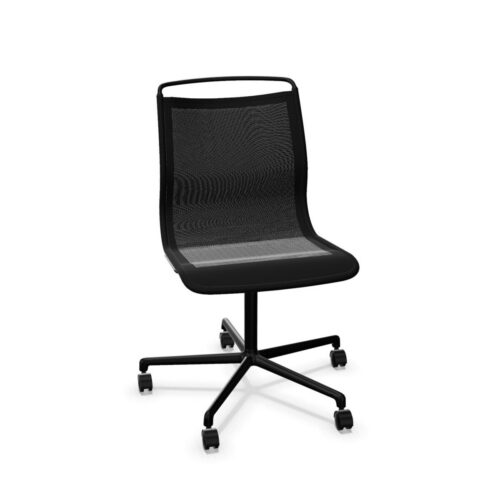
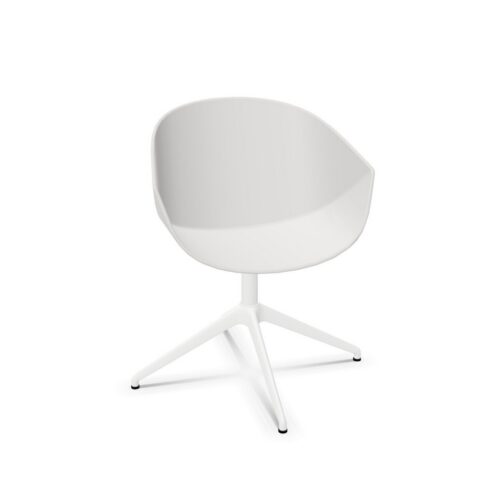
6 models
From €6.87 p/m
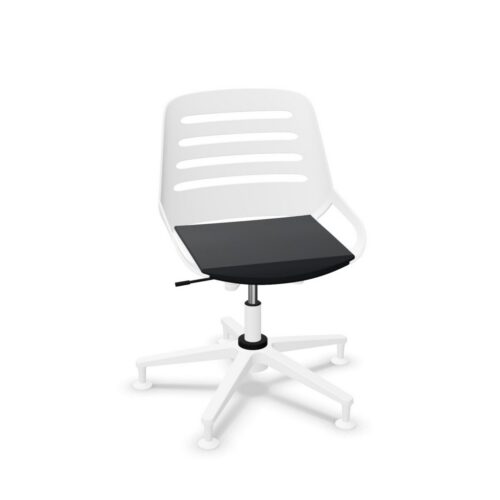
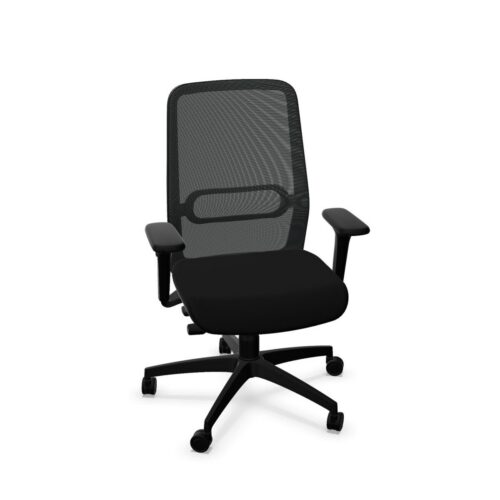
2 models
From €10.32 p/m
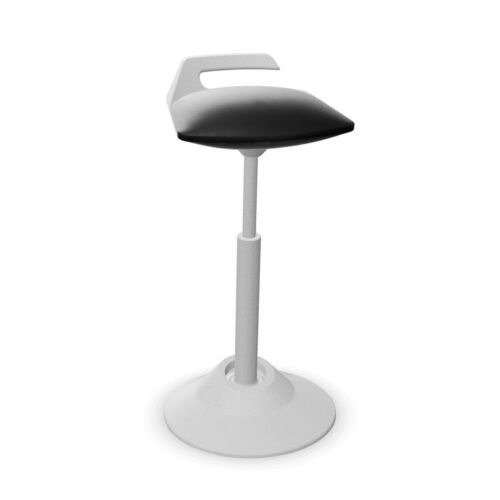
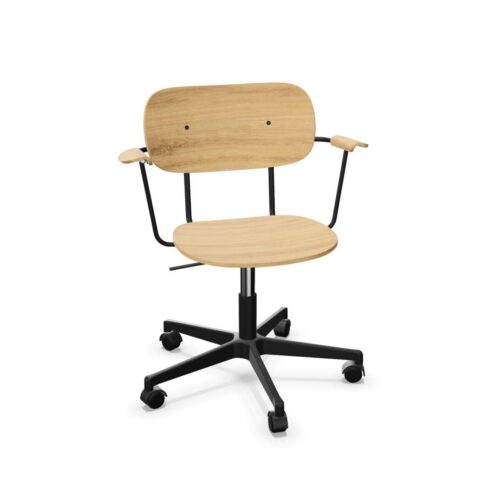
3 models
From €10.49 p/m
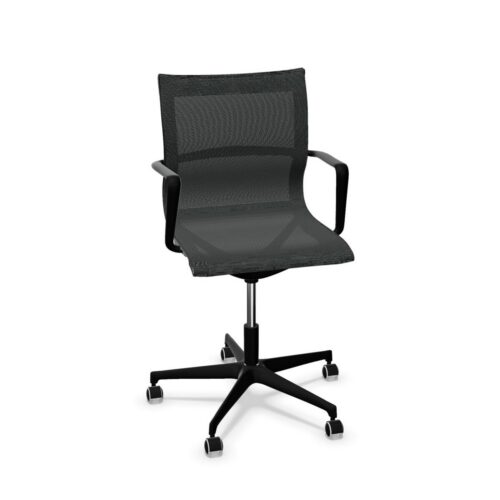
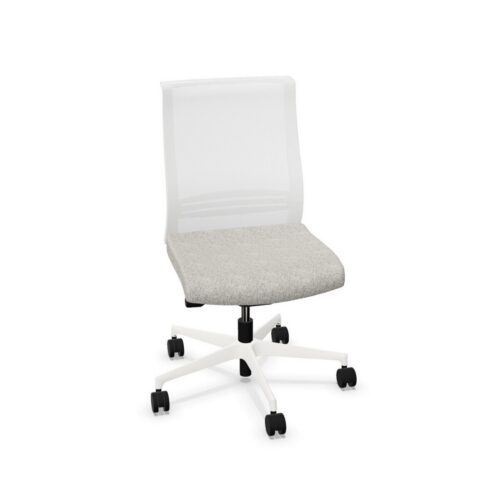
2 models
From €6.87 p/m
4 models
From €7.26 p/m
3 models
From €8.88 p/m
2 models
From €19.56 p/m
3 models
From €10.17 p/m
2 models
From €6.13 p/m
2 models
From €9.18 p/m
2 models
From €13.64 p/m
€27.92 p/m
2 models
From €15.27 p/m
10 models
From €10.37 p/m

Use The Backrest Shape As Your Starting Point

Examine the backrest in relation to the seat, then assess it with the user sitting in a working position. Note where the back makes contact and whether the user can remain appropriately positioned on the seat. A visual impression of a tall or low backrest provides less information than observing how its actual shape meets the individual.

Ask for the relevant dimensions so that different chairs can be compared on a consistent basis. Clarify what each measurement describes instead of assuming that overall chair height explains backrest fit. Because the backrest cannot move vertically, its existing geometry needs to be evaluated as part of the complete seat arrangement rather than as an independently adjustable component.

Look Closely At Changes In Working Position

Include the tasks that shape the user's day. Working near the desk edge, reading from a screen and turning towards colleagues may involve different positions. During a representative trial, observe how contact with the backrest changes. The objective is to understand the chair in use, including any moments when its fixed vertical placement becomes a practical limitation.

Allow the user to describe the experience in their own terms, then connect those comments to observable features. If contact feels misplaced, identify where and during which activity. This is more useful than recording a general comfort judgement without context. It also helps distinguish an issue with backrest geometry from a problem elsewhere in the workstation or seated arrangement.

Confirm The Functions That Remain Available

Fixed back height does not mean a fixed backrest in every respect. Check other functions separately, including any change in angle or other stated adjustment. Do not assume their presence, but do not exclude them solely because vertical movement is unavailable. A clear comparison should identify exactly which aspects of the chair can change and which cannot.

Use any available controls for their intended purposes during the assessment. Adjusting another part of the chair may change the user's relationship with the desk or floor, so observe the complete result. Avoid treating a change elsewhere as an automatic substitute for back height adjustment. Record whether the final arrangement works, including any compromises the user would have to maintain.

Assign Seating With Body Differences In Mind

When chairs are allocated individually, a direct fit assessment provides a clear basis for assignment. Shared seating requires broader evidence because the fixed backrest position must be considered across different users. Include a relevant mix of body proportions and working habits rather than choosing one person as a stand-in for everyone who might use the chair.

Keep the findings useful for future changes. Record who was assessed, the workstation involved and any limitations that affected allocation. Review the fit when a chair moves to another person or a desk is reconfigured. A consistent office process can accommodate different chair shapes where necessary while maintaining the same standard of practical assessment for each member of staff.

FAQ About Fixed Back Height

Does fixed back height mean the backrest cannot recline?

No. The stated limitation concerns vertical adjustment. Any reclining or angle function needs separate confirmation for the individual chair. Describe the available movements precisely so a missing height adjustment does not become an unsupported assumption about every other aspect of the backrest.

How can an office manager assess the fit?

Combine relevant measurements with a seated trial at the intended workstation. Observe where the backrest contacts the user and whether that relationship remains workable during ordinary tasks. Record specific difficulties and the conditions in which they occur, rather than relying only on an overall impression.

Is one trial enough for a shared chair?

One trial only establishes the experience of the person involved. For shared seating, include the range of users expected to occupy the chair. Differences in body proportions and working positions can affect the relationship with a backrest whose vertical position cannot be changed.

Explore related selections