

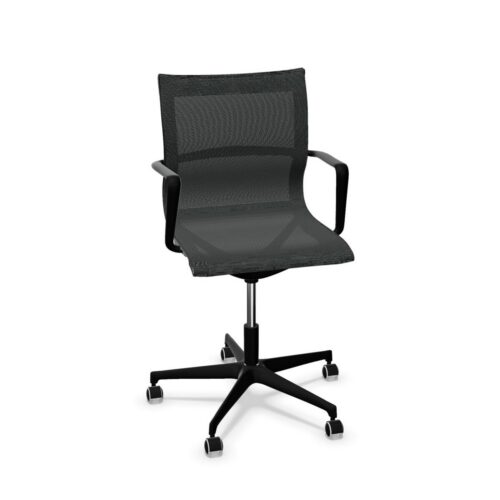
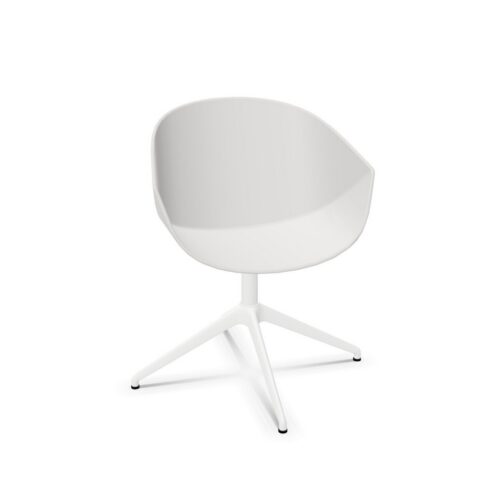
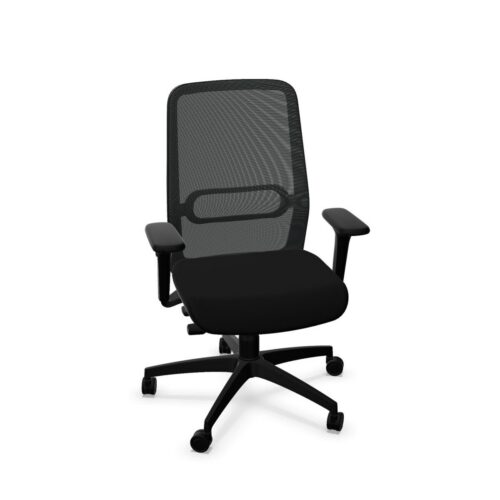
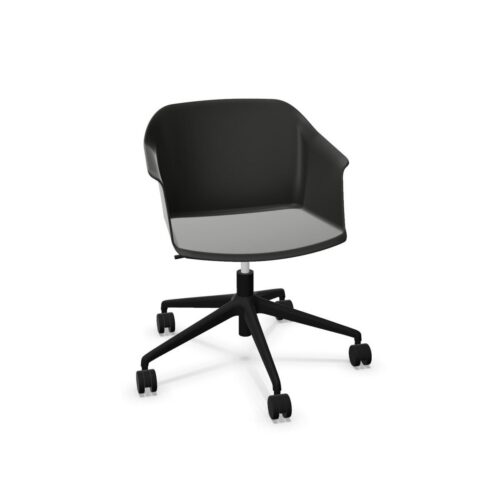
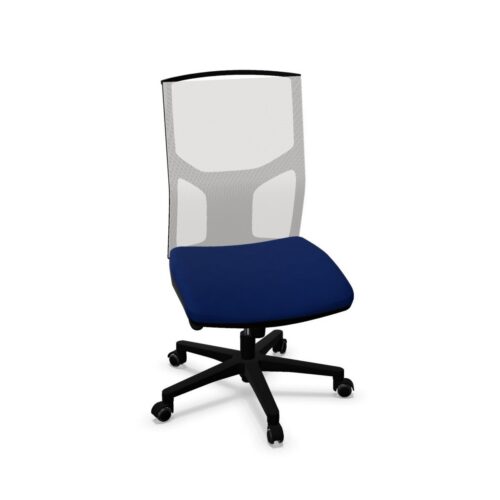
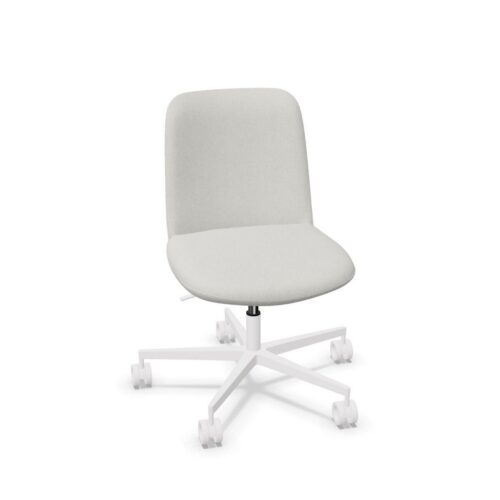
Green Base Office Chairs Without Headrests

Green base office chairs without headrests deserve a staff consultation that addresses practical support and the intended room appearance together. The green base is a visible design choice, while having no headrest is a feature each user should assess through their usual tasks. An office manager can make that discussion more useful by asking specific questions about working positions, available settings and the relationship between chair and desk, rather than requesting a simple overall preference from everyone.

Invite feedback from people with different desk arrangements and working patterns. Office chairs may be shared, assigned or moved between spaces, and those circumstances affect what needs testing. Compare the green finish beside the furniture and flooring that will surround it, without attaching performance or environmental meaning to the colour. Bringing these observations together creates a clearer brief: the seating needs to suit actual users, and the base needs an agreed place in the workplace colour scheme before the decision is finalised.

4 models
From €7.26 p/m
3 models
From €8.88 p/m
2 models
From €19.56 p/m
3 models
From €10.17 p/m
2 models
From €6.13 p/m
2 models
From €9.18 p/m
4 models
From €4.10 p/m
10 models
From €5.35 p/m
12 models
From €6.44 p/m
6 models
From €8.63 p/m
24 models
From €6.31 p/m
7 models
From €2.97 p/m
4 models
From €5.39 p/m
6 models
From €6.52 p/m
3 models
From €4.35 p/m

Ask Staff About Tasks Before Appearance

Introduce green base office chairs without headrests by explaining the work situations being assessed. Ask participants to identify their main desk activities, how often they change position and any support requirements that should shape the trial. Keep the initial discussion focused on what they need to do comfortably at the workstation. Then explain that the green base will also be reviewed within the room scheme. This order gives staff a clear way to separate practical observations from colour preferences. Record requirements in the user's own terms where possible, so that later comparisons remain connected to the activities that prompted each comment.

Use a Trial That Produces Specific Feedback

Give each participant time to locate and use the controls actually provided. Ask them to set up at a representative desk and carry out familiar work. Useful feedback describes an achievable position, a setting that is missing or a movement that feels restricted by the workstation arrangement. Office chairs should also be assessed alongside any equipment normally used, including foot supports where relevant. Avoid interpreting silence about a headrest as evidence that none is needed. Ask directly about head support after the task trial and record the response separately from comments about backrest contact, seat fit and access around the desk.

Discuss Green Without Adding Unverified Meaning

When reviewing green base office chairs without headrests, keep the colour conversation grounded in visible relationships. Compare the base with nearby desk frames, floor finishes and existing green details, if present. Ask whether the intended combination remains coherent across the whole room rather than judging a single chair in isolation. Green colour alone does not establish environmental credentials, materials or manufacturing methods. Any such requirement needs its own supporting information. Likewise, avoid assuming that staff share the same response to a colour. Agree a room design direction using the actual finish and lighting, while allowing support needs to be considered independently.

Resolve Differences Before Setting the Seating Brief

Summarise the feedback on green base office chairs without headrests by distinguishing individual requirements from preferences shared across the team. If users disagree, return to the tasks and settings involved rather than averaging their opinions into a single score. Someone may approve the room appearance while needing a different support arrangement. Another person may fit the seating but prefer a different colour. These are separate findings with different implications. Document how the green base fits the chosen interior scheme, which practical requirements have been met and what still needs clarification. Keep that record available when workstations or staff allocations change later.

Staff Questions About Green Base Seating

Does a green base indicate environmental credentials?

No. Green is the stated base colour. Environmental or material requirements need separate evidence and should not be inferred from appearance. Keep those questions distinct from the assessment of desk fit and the absence of a headrest.

How can staff compare support fairly?

Use representative tasks at a suitable workstation and explain the controls provided. Ask everyone the same practical questions, while allowing individual needs to differ. Office chairs should be judged through specific observations rather than colour preference alone.

Should everyone accept the same headrest arrangement?

A shared room scheme does not remove individual support requirements. Discuss the absence of a headrest with each user and record any need for separate head support. Use that information when assessing suitability for the intended tasks.

Explore related selections