

Headrest-Free Seating For Office Environments

Office chairs without headrests omit an integrated or attached head support from the specified configuration. That creates a straightforward distinction for a room brief, while leaving the backrest, mechanism and other support features to be assessed on their own merits. The absence of a headrest does not establish the height of the back, the chair’s overall dimensions or the range of movement it provides.

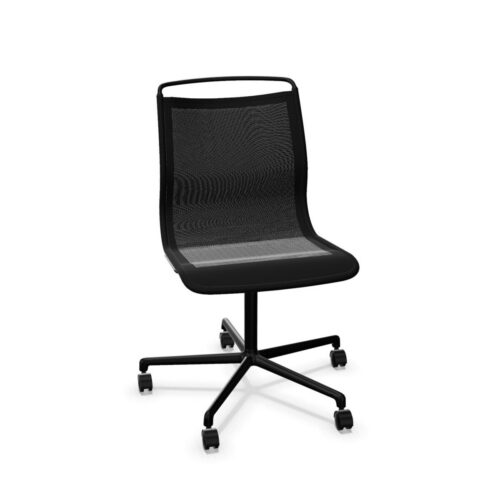
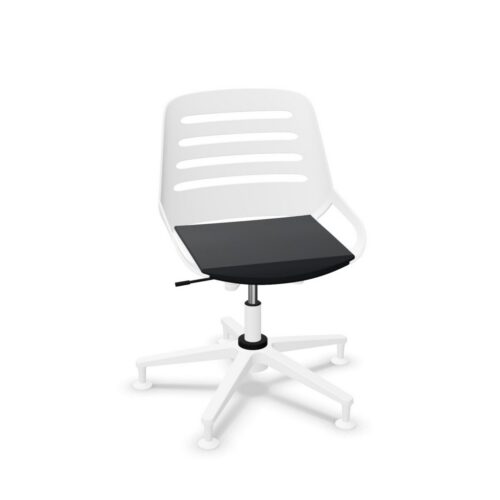
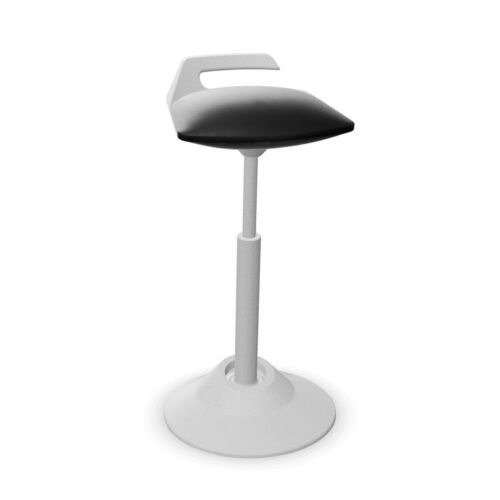
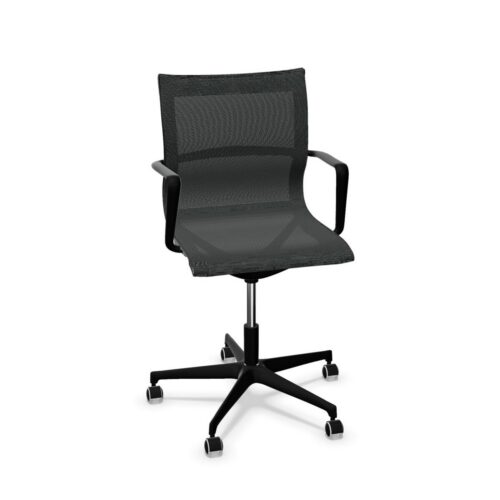
These chairs cover several workplace roles, from individual desk work to meetings and visitor seating. Some include lumbar support, adjustable back height or seat depth adjustment; others have different arrangements. For an office manager, a useful comparison begins with the activities and positions the chair must accommodate. Evaluate the seat and back together at the intended furniture, then determine whether the remaining controls, arm supports and materials match the requirements of the people using the space.

6 models
From €6.87 p/m
2 models
From €10.32 p/m
3 models
From €10.49 p/m
2 models
From €6.87 p/m
4 models
From €7.26 p/m
3 models
From €8.88 p/m
2 models
From €19.56 p/m
3 models
From €10.17 p/m
2 models
From €6.13 p/m
2 models
From €9.18 p/m
5 models
From €13.67 p/m
3 models
From €23.12 p/m
3 models
From €9.20 p/m
19 models
From €2.38 p/m

Describe The Required Seating Configuration Clearly

Where a room brief calls for seating without headrests, record that requirement as a specific configuration choice. It should not be used as shorthand for a low back, a compact chair or a particular visual scale, because those details still require dimensions. Establish the chair's overall height and backrest measurements when planning the room. Consider the role of each seating position, including whether the person is working at a desk, participating in a meeting or attending as a visitor. That context gives the absence of a headrest a practical place in the wider specification.

Assess The Backrest For The Intended Activity

Without a headrest, attention can remain on how the seat and backrest relate to the user's normal working positions. Ask the person to perform representative tasks and assess the available back support. Dedicated lumbar support and adjustable back height vary across this selection, so establish which features are included. A suitable result for one person should not be extended to all users of a shared chair. Record whether the backrest arrangement meets the intended activity and identify any separate requirement for head support before treating the seating assessment as complete.

Review Movement And Arm Support Independently

Chairs without headrests can still differ substantially in their controls. Manual height adjustment, synchronous mechanisms and configurations without integrated mechanisms are all represented. Seat height and depth adjustment also vary. Arm arrangements can include 4D supports, fixed arms or no armrests. Compare these features at the intended desk or table, checking how the user establishes a position and changes it during work. For shared spaces, have each person try the setup process. The useful distinction is what the complete chair permits, rather than an assumption about its capabilities based on the missing headrest.

Finish The Room Brief With Verified Details

Fabric, mesh, PU leather and unupholstered surfaces offer different material specifications to investigate. Obtain care instructions for the proposed seat and back materials, and confirm the base construction and finish separately. Standards and fire resistance designations vary, as do environmental documents and certifications. Review whichever evidence the room requires for the actual configuration. Two-year and five-year warranties are represented, along with a stated maximum user load of 135 kg. Include applicable terms and load information alongside dimensions and assessment findings so that visual coordination does not become the only basis for assigning chairs across the office.

Headrest-Free Chair Questions

Does no headrest mean a low-back chair?

No. It means a headrest is not included in the specified configuration. Backrest height and overall chair height remain separate details to establish when evaluating user fit, appearance and suitability for a particular office location.

Can the chair still include lumbar support?

Yes. Dedicated lumbar support is present on some configurations and absent on others. Confirm that feature, along with back height and seat depth adjustment, when assessing the complete seat and back arrangement for the intended user.

Should mechanism choice still be assessed?

Yes. The absence of a headrest does not determine whether the chair offers coordinated movement, manual height adjustment or no integrated mechanism. Compare the actual controls and movement with the activities planned for the seating position.

Explore related selections