

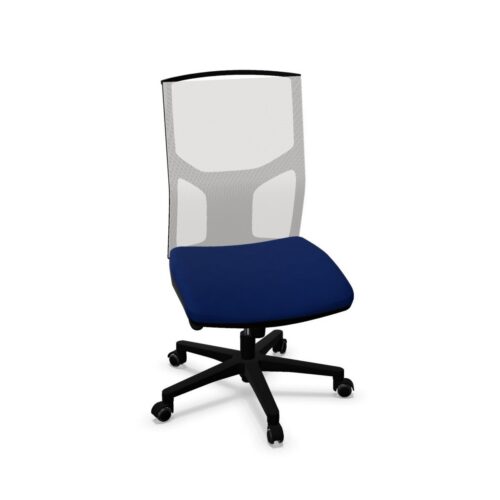
Aluminum-Base Office Chairs With Unspecified Standards

Aluminum-base office chairs with unspecified standards can be assessed through the practical demands of a shared workspace. Aluminum identifies the base material, but it does not establish how easily a particular chair moves, how much it weighs or which adjustments it offers. The unspecified standards position also needs separate clarification.

Shared seating brings different people to the same workstation. An office manager therefore needs to understand how the complete chair accommodates those changes: which settings are available, how users reach the controls and whether the seating position works with the desk. Those questions remain relevant regardless of the base material.

Consider the base as part of that wider arrangement. Its actual footprint, contact with the floor and relationship with desk supports deserve inspection. A useful comparison connects these physical details with the evidence needed for the proposed use, giving teams a clear basis for assessing office chairs without relying on assumptions about aluminum or its appearance.

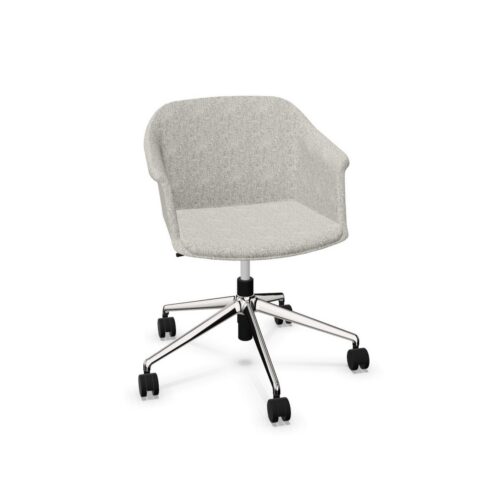
4 models
From €7.26 p/m
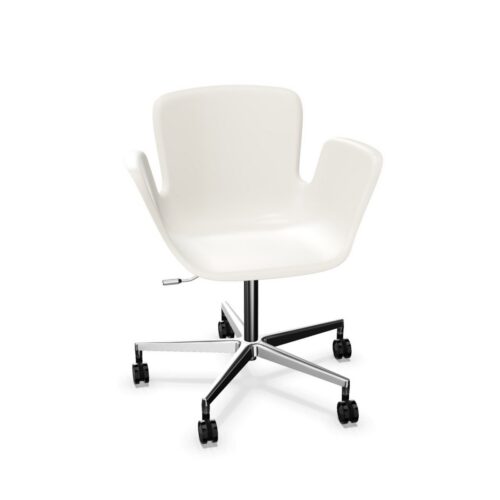
2 models
From €19.56 p/m
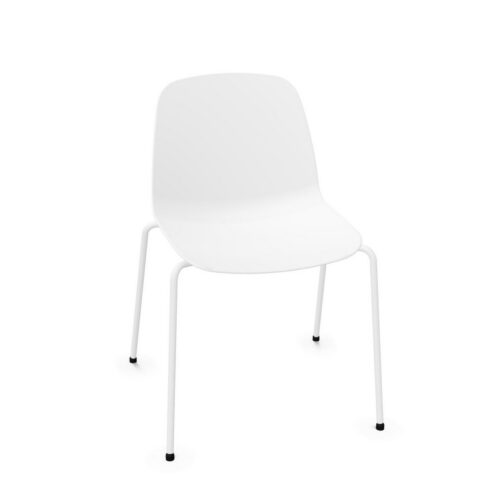
2 models
From €13.64 p/m
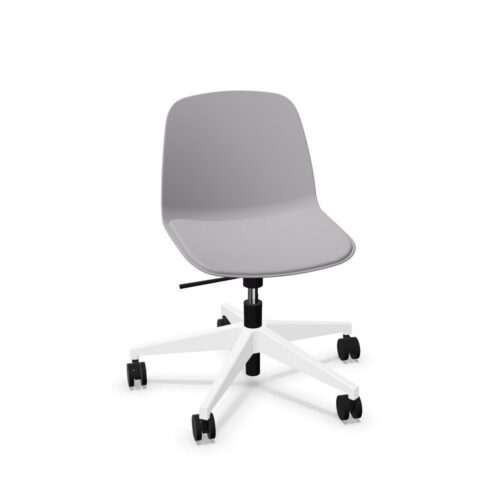
10 models
From €10.37 p/m
3 models
From €7.48 p/m
2 models
From €23.78 p/m
5 models
From €3.59 p/m
2 models
From €3.69 p/m
28 models
From €2.34 p/m
6 models
From €2.64 p/m
4 models
From €4.10 p/m
4 models
From €7.32 p/m
4 models
From €8.24 p/m
10 models
From €5.35 p/m
12 models
From €7.44 p/m
12 models
From €7.20 p/m
12 models
From €6.44 p/m
6 models
From €8.63 p/m

Follow The Change Between Users

Begin the assessment with a typical handover between colleagues. Ask each person to set up the chair for the task ahead, using only the controls and instructions available. Observe which adjustments exist, whether they are understandable and where the workstation creates limitations that the chair alone cannot resolve.

This exercise helps assess aluminum-base office chairs with unspecified standards in a realistic context. It also prevents the base material from becoming the main decision criterion when the more immediate question is whether different users can establish a workable seated position at the same desk throughout the working week.

Check Aluminum Bases Against Actual Space

Measure the base in relation to the intended workstation, including nearby supports and storage. Check clearance while the user approaches, sits and leaves. Do not infer a compact footprint or a particular base shape from the material description; inspect the configuration that will occupy the room in practice.

If chairs need repositioning between activities, assess the actual handling process. Aluminum alone does not establish total chair weight or movement behaviour. Confirm the floor contact arrangement and relevant instructions, then consider whether the proposed routine is practical for the staff who will carry it out each day.

Resolve Standards Questions Before Allocation

Unspecified standards leave an evidence question open. For aluminum-base office chairs with unspecified standards, first establish which requirements apply within your organisation. Then request information about the complete chair, keeping any response connected to the specific configuration and intended activity rather than to the base material in isolation.

Allocate responsibility for checking that information. A clear owner can distinguish an unanswered question from a confirmed characteristic and prevent assumptions from passing between departments. If evidence remains incomplete, record the gap and its relevance to the proposed use before the seating allocation is finalised by the responsible team.

Give Shared Seating A Clear Routine

Once practical fit has been assessed, consider how users will receive setup guidance. Instructions should reflect the adjustments actually present. Avoid generic directions that refer to controls the chair does not have, and make sure shared workspace procedures explain how staff should raise a concern about fit or function.

Include the base in routine care planning. Obtain appropriate cleaning guidance and identify who checks floor contact points and visible condition. Review the arrangement after a change of floor covering or workstation layout, since those changes can affect the chair’s relationship with its surroundings even when the chair remains unchanged.

Shared Workspace FAQ

Does An Aluminum Base Mean Easy Handling?

The material description does not establish how a complete chair handles. Total construction, weight and floor contact need individual assessment. If staff must reposition seating, evaluate that actual activity and consult the relevant instructions before treating handling as an advantage of a particular option within the workplace.

Why Keep Standards Separate From User Fit?

They answer different questions. A practical trial helps assess the relationship between a person, chair and workstation. Standards evidence addresses specified requirements. Neither should be used as a substitute for the other when the office manager needs both a workable seating arrangement and a documented basis for selection.

What Makes A Useful Shared Seating Comparison?

Compare aluminum-base office chairs with unspecified standards through user setup, workstation clearance, floor contact and available evidence. Record which adjustments are present and how staff will receive guidance. This connects the material choice to daily operations without assuming features that have not been established for the chair.

Explore related selections