

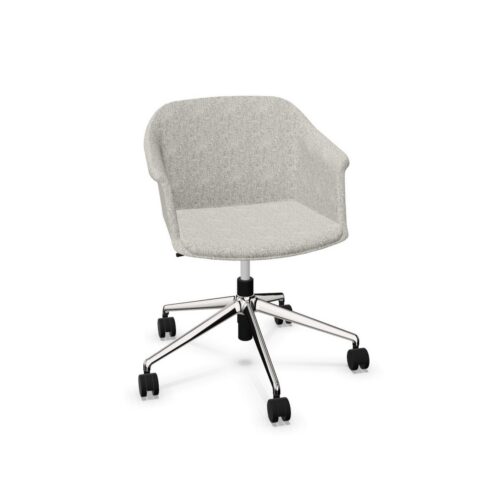
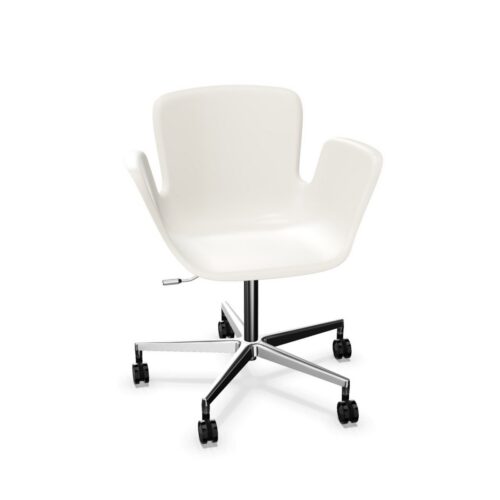
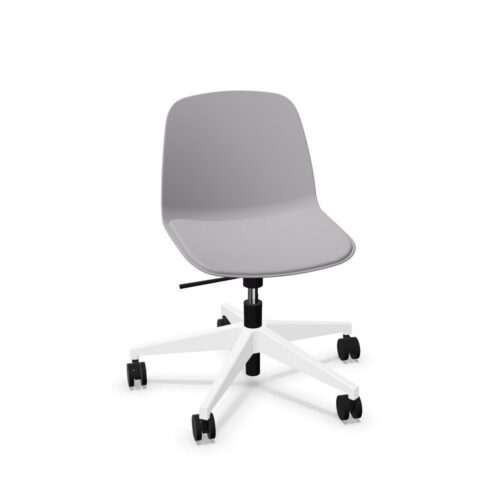
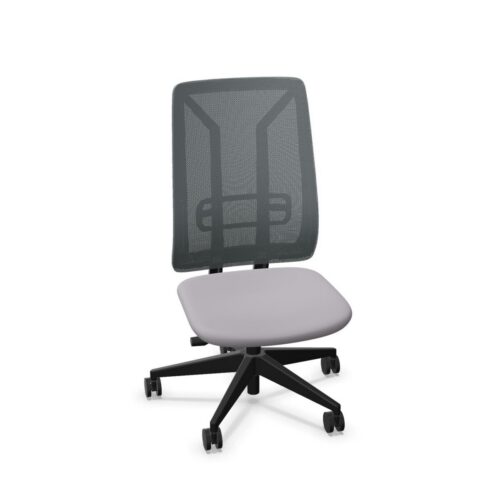
Office Chairs With Aluminium Bases

An aluminium base identifies one part of an office chair’s construction, while leaving several important decisions open. Its shape, surface finish and connection to the chair need their own assessment. For office managers, the aim is to establish what the complete seating configuration does in the intended space. Aluminium alone does not provide a chair weight, a load rating or evidence that the base will suit a particular floor or working pattern without further information about the chair being considered.

Start the comparison at the workstation. Examine the footprint beneath the seat, the room available for feet and the way the chair approaches the desk. Then review the finish against nearby fittings and confirm the appropriate care instructions. Considering these elements together makes the aluminium base a defined part of the seating brief. It also keeps expectations about movement, handling and maintenance tied to the actual chair rather than to general impressions of the material.

4 models
From €7.26 p/m
2 models
From €19.56 p/m
2 models
From €13.64 p/m
10 models
From €10.37 p/m
3 models
From €7.48 p/m
2 models
From €23.78 p/m
5 models
From €3.59 p/m
2 models
From €7.97 p/m
2 models
From €3.69 p/m
2 models
From €17.81 p/m

Check The Footprint Before The Finish

Place the base within the planned workstation dimensions and assess clearance around desk supports, drawers and adjacent furniture. Consider more than the position used for desk work. Users also need to approach and leave the seat, turn towards nearby equipment and make any normal changes of position. The shape of the base belongs in each of these spatial checks.

Examine where the user's feet sit relative to the base. A footrest, if required, should be included in the assessment because it introduces another object beneath the desk. Check the complete arrangement with representative users. An aluminium construction does not establish base diameter or geometry, so usable foot space needs to be assessed for the particular chair.

Separate Aluminium From Surface Treatment

Confirm the visible finish rather than assuming that an aluminium base will have a particular appearance. Review a representative example alongside desk frames, handles and other nearby fittings. If consistency across a room matters, define which visual characteristics need to align. The material identity and the appearance requirement should be recorded as separate parts of the workplace brief.

Obtain care guidance for the actual surface treatment. Ask which cleaning products and methods are permitted and whether any workplace conditions need additional consideration. Avoid inferring chemical compatibility or resistance to surface damage from aluminium alone. A useful specification connects the underlying material, the applied finish and the instructions that the facilities team will follow.

Assess Movement And Handling As Complete Tasks

Check the floor contact components fitted to the chair and confirm their suitability for the intended flooring. The aluminium base and the components touching the floor perform different roles in this assessment. If movement between rooms is expected, include the relevant routes and surface transitions. Look at how the complete chair behaves in the situations people will actually encounter.

If staff will lift or reposition chairs during room changes or cleaning, request the complete chair weight and suitable handling guidance. Do not treat the base material as a substitute for that information. Other components contribute to the overall chair, and its dimensions also matter when planning handling. Assess the task using the full configuration that staff will use.

Request Evidence For The Intended Duty

Define any required load limit or seating standard before comparing supporting information. Ask for evidence that applies to the chair configuration under consideration, including its base. Aluminium by itself does not establish a performance rating. Where the seating will be shared, include the anticipated users and working patterns in the brief so the evidence can be reviewed against clear requirements.

Complete the review with questions about inspection and component support. Establish how concerns involving the base, central connection or floor contact components should be reported. Confirm permitted maintenance procedures and ask separately about replacement options. These arrangements should follow the actual construction of the chair, rather than an assumption about what can be repaired because aluminium is present.

Aluminium Base Questions

Are aluminium base chairs necessarily lightweight?

The base material does not establish the weight of the complete chair. Request a stated chair weight if handling is relevant, and consider its size and permitted lifting method. Assess the actual task rather than relying on a general expectation about aluminium.

Does aluminium always have a silver appearance?

No particular colour or surface treatment is established here. Confirm the finish separately and examine a representative example beside the surrounding furniture. Care requirements should also be checked for that finish, rather than inferred from the underlying base material.

What should be checked during a seating assessment?

Review base clearance, foot placement, floor compatibility and the chair's approach to the desk. Add user fit, available adjustments and evidence for any required rating. These checks connect the aluminium base to the operation of the complete seating arrangement.

Explore related selections