






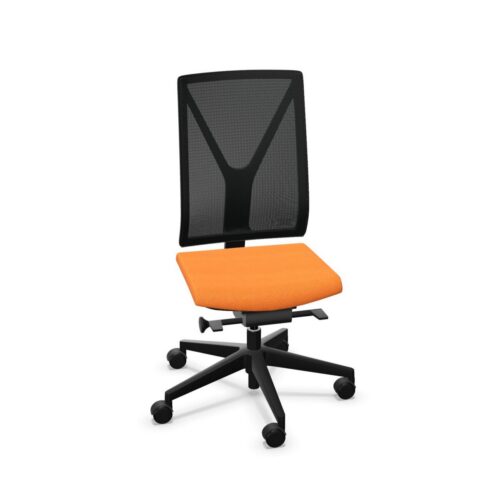


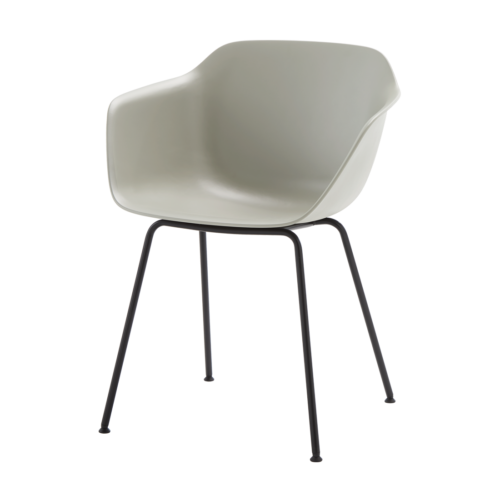
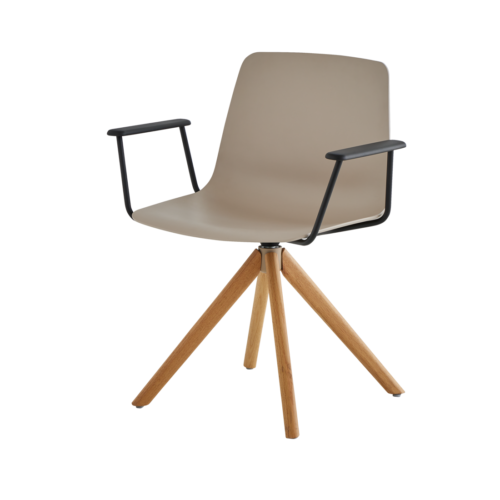


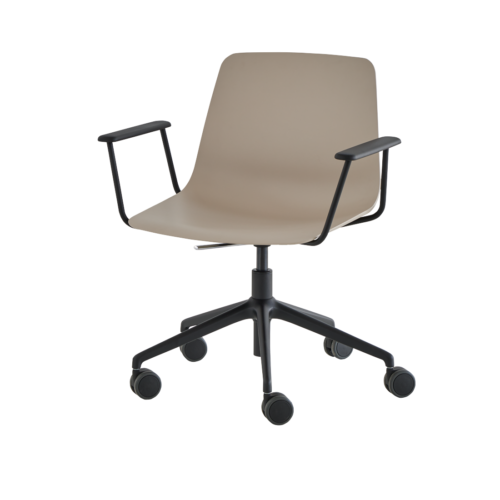


Follow the Contact Across the Whole Seat
Inspect the upholstered areas while the chair is in use. Check where the thighs meet the front edge, where the back touches the backrest and whether seams or material transitions sit in frequently contacted areas. Treat these as points to assess, rather than assuming they will create either comfort or difficulty.
Ask users to describe specific observations during normal movements. Feedback such as pressure at an edge or changing back contact is more useful than a general preference stated without context. Record the activity and chair settings alongside the comments. This helps distinguish questions about the covering from questions about seat shape or the overall position at the desk.
Use a Trial That Reflects the Working Day
Choose tasks that represent the intended use of the seating. Include the relevant desk equipment, table height and opportunities to change position. A quick inspection can help shortlist a finish, but it cannot answer every question about how the complete chair will be experienced through a typical session.
Include users with different proportions and ask the same core questions. Review access to adjustments, contact with the back and the ability to reach the work surface. Avoid presenting the upholstery as a solution to a dimensional mismatch. The trial should show how the covering and chair construction work together for the people expected to use them.
Verify Claims About Material Behaviour
Request the composition and supporting information for any characteristic that matters to the office. If the brief includes abrasion performance, colour retention or a particular cleaning method, obtain evidence relevant to that requirement. The material’s name or surface appearance cannot establish those properties by itself.
Read each statement within its stated scope. Evidence about a covering should not automatically be treated as evidence about the entire chair, and a result under specified conditions should not be extended to every office activity. Keep the relevant documents with the seating decision so that later maintenance or allocation questions can be answered from a consistent record.
